Introduction
For many women, period pain is just another unwelcome monthly visitor. A bit of cramping, maybe some fatigue, and then it's over. But for others, menstrual pain can be severe enough to interrupt daily life, work, and relationships. So how do you know if your period pain is normal—or a sign of something deeper? Let's break it down.
What Is “Normal” Period Pain?
Mild to moderate cramping, known as primary dysmenorrhea, usually begins 1-2 days before your period and lasts for 2-3 days. It's caused by prostaglandins, hormones that trigger the uterus to contract and shed its lining.
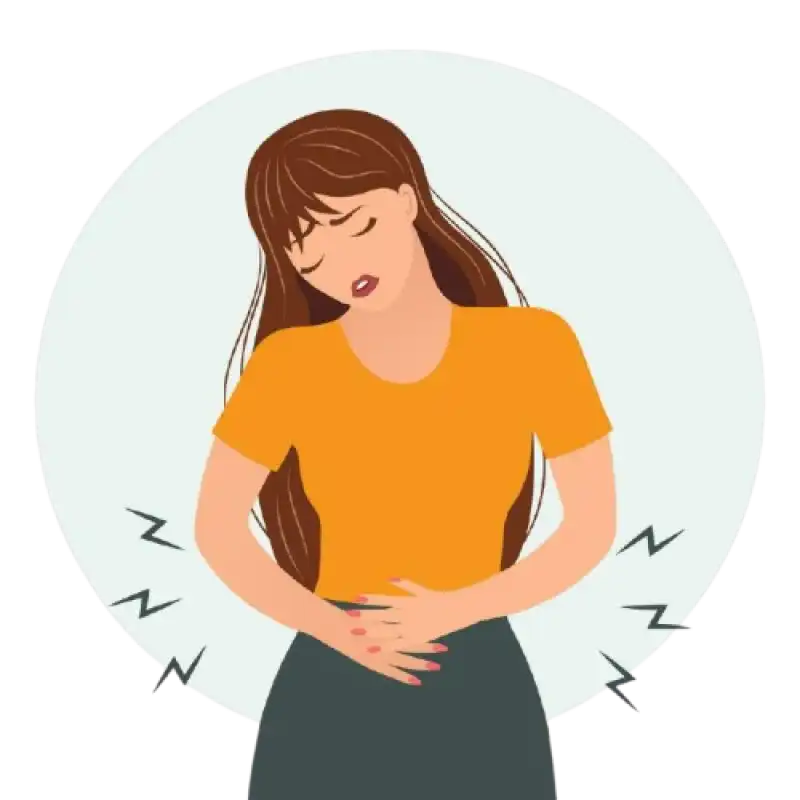
Normal pain feels like:
- Mild to moderate cramps in the lower abdomen or lower back
- Dull, aching, or throbbing pain
- Discomfort that eases with rest, heating pads, or over-the-counter meds
- No major interference with day-to-day life
Signs Your Period Pain May Not Be Normal
If your period cramps feel more intense than what most over-the-counter painkillers can handle, or if they keep you bedridden each month, it might be time to look deeper.
🚩 Red Flags to Watch Out For:
- Pain that starts before your period and lasts long into your cycle
- Sharp or stabbing pain instead of a dull ache
- Pain that doesn't respond to heat or medication
- Heavy bleeding or passing large clots
- Irregular cycles or spotting between periods
- Pain during sex, bowel movements, or urination
- Nausea, vomiting, or fainting with periods
Possible Underlying Conditions
Chronic or severe period pain could point to one of these conditions:
- Endometriosis: When the tissue that normally lines the uterus grows outside it, causing intense pain, infertility, and digestive issues.
- PCOS (Polycystic Ovary Syndrome): Irregular periods, hormonal imbalance, and ovarian cysts often come with pelvic discomfort.
- Fibroids: Non-cancerous growths in the uterus that can lead to heavy bleeding, pressure, and severe cramps.
- Pelvic Inflammatory Disease (PID): Infection of the reproductive organs that can cause long-term pain and complications.
- Adenomyosis: When endometrial tissue grows into the muscle wall of the uterus, leading to heavy and painful periods.
When Should You See a Doctor?
Here’s a simple rule of thumb:
If your period pain interferes with your daily life, or if the intensity of pain is increasing over time, seek medical attention.
A gynecologist may recommend:
- Pelvic exams
- Ultrasound or MRI scans
- Hormonal therapy or medication
- Surgical options for conditions like endometriosis or fibroids
At-Home Remedies for Mild Pain
For manageable cramps, try the following:
- Use a heating pad on your lower abdomen
- Take NSAIDs like ibuprofen (consult your doctor)
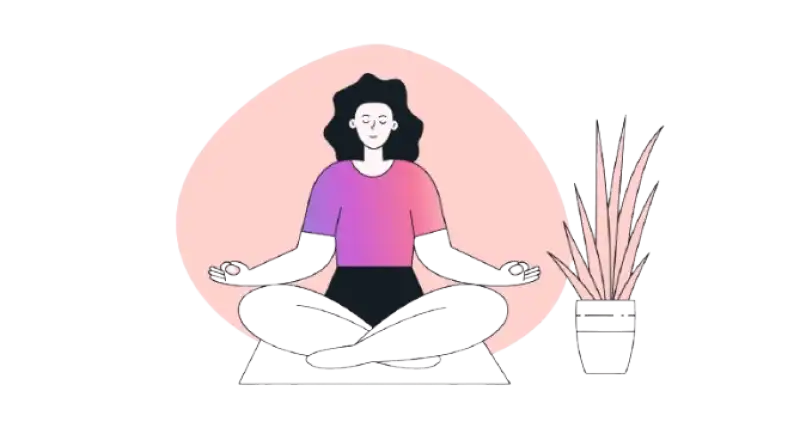
- Try gentle yoga or stretching
- Stay hydrated and avoid caffeine or salty foods
- Use herbal teas like chamomile or ginger
At Aarogyaa Bharat, we offer pain relief solutions such as portable heating pads, herbal supplements, and cramp massagers that you can use from the comfort of your home.
FAQs
Q1: How much period pain is considered normal?
Mild to moderate cramps that last 2-3 days and can be managed with rest or OTC medication are considered normal.
Q2: Can stress make period pain worse?
Yes. Stress can disrupt your hormonal balance and make cramps feel more intense.
Q3: Does exercise help with period pain?
Yes, light exercise like walking or yoga boosts blood flow and reduces prostaglandins.
Q4: Are irregular periods with pain a cause for concern?
Absolutely. Irregular cycles combined with pain may indicate hormonal imbalance or conditions like PCOS.
Q5: Is it okay to take painkillers every month for cramps?
Occasional use is safe, but regular or increasing need for painkillers should be discussed with a doctor.
Conclusion
A little discomfort during periods is normal—but severe or persistent pain isn't something you should ignore. Understanding your body, tracking your symptoms, and seeking help when needed is a crucial part of self-care.
Remember: period pain may be common, but suffering silently is not a solution.
🩺 Explore period pain relief products and women's wellness essentials at aarogyaabharat.com to manage your health with confidence.