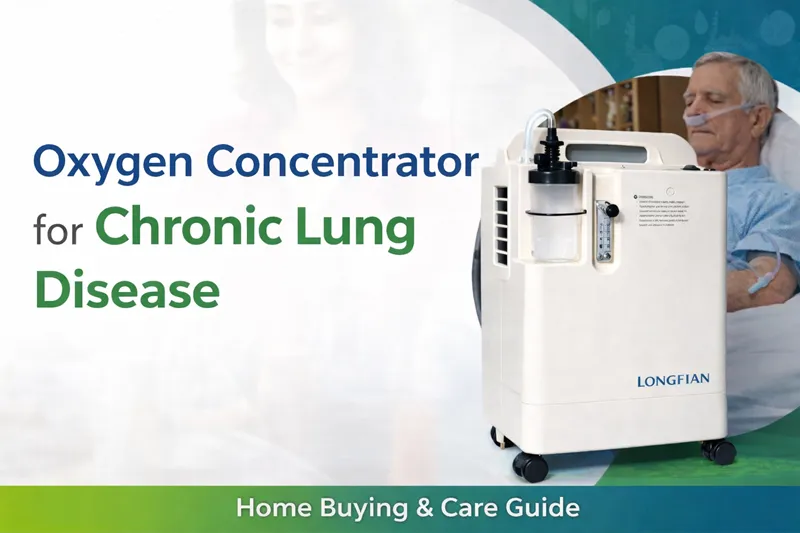
For millions of people in India living with chronic respiratory illnesses such as COPD, pulmonary fibrosis, bronchiectasis, interstitial lung disease, severe asthma, pulmonary hypertension, and long COVID lung damage, oxygen therapy becomes a long-term medical necessity rather than a temporary support tool. In these cases, oxygen therapy is not about comfort alone. It is about preventing irreversible organ damage, reducing hospitalizations, slowing disease progression, improving mental alertness, and extending life expectancy.
At the centre of this therapy is the oxygen concentrator.
Unlike oxygen cylinders that store a limited amount of compressed gas,
concentrators generate oxygen continuously from the surrounding air. This
allows uninterrupted therapy, lower long-term costs, and far greater safety for
patients who require oxygen day and night.
This comprehensive guide by Aarogyaa Bharat is designed for
patients, caregivers, and families who want deep, medically sound, real-world
guidance. It explains how oxygen therapy works for chronic lung disease, why
concentrators are superior to cylinders, how to choose the right type of
device, what technical features matter most, how to set up safe home oxygen
therapy, how to prevent complications, and how to plan for future disease
progression. Whether you are just starting oxygen therapy or upgrading your
current system, this article will help you make a confident, future-ready
decision.
Understanding Chronic Lung Disease and Long-Term Oxygen
Deficiency
Chronic lung disease refers to a group of long-lasting
respiratory conditions that permanently damage lung tissue, restrict airflow,
or reduce the lungs’ ability to exchange oxygen and carbon dioxide efficiently.
These diseases usually worsen gradually over years, and once lung tissue is
damaged or scarred, it cannot regenerate.
Common chronic lung conditions that require oxygen therapy
include chronic obstructive pulmonary disease (COPD), pulmonary fibrosis,
bronchiectasis, interstitial lung disease, pulmonary hypertension, advanced
asthma, emphysema, silicosis, asbestosis, and post-tuberculosis lung damage. In
recent years, long COVID has also emerged as a major contributor to chronic
respiratory impairment, leaving many patients dependent on supplemental oxygen
long after recovery from infection.
In healthy lungs, oxygen passes through tiny air sacs called
alveoli into the bloodstream, where it binds to hemoglobin and is transported
to organs and tissues. In chronic lung disease, this oxygen exchange becomes
inefficient due to airway obstruction, inflammation, fibrosis, or alveolar
destruction. As a result, blood oxygen saturation levels drop, leading to
chronic hypoxemia.
Chronic hypoxemia places continuous strain on the heart,
forcing it to pump harder to compensate for low oxygen levels. Over time, this
can cause pulmonary hypertension, right-sided heart failure, irregular heart
rhythms, and increased risk of stroke. The brain becomes more vulnerable to
confusion, memory issues, depression, and sleep disorders. Muscles weaken due
to poor oxygen delivery, reducing mobility and independence. The immune system
becomes less effective, increasing susceptibility to infections.
Oxygen therapy directly corrects this oxygen deficit,
allowing vital organs to function more efficiently and slowing the long-term
damage caused by chronic hypoxemia.
Why Oxygen Therapy Is Essential for Chronic Lung Disease
Oxygen therapy is not merely a symptom-relief measure. It is
a medically proven intervention that directly improves survival and long-term
outcomes in patients with advanced chronic lung disease.
Consistent oxygen therapy helps maintain blood oxygen
saturation within a safe range, reducing shortness of breath, chest tightness,
and fatigue. It improves sleep quality by preventing nighttime oxygen drops
that commonly occur during deep sleep. It reduces strain on the heart, lowering
the risk of pulmonary hypertension and heart failure. It enhances cognitive
function, mood stability, and emotional well-being. Most importantly, in
patients with severe COPD and interstitial lung disease, long-term oxygen therapy
has been shown to extend life expectancy significantly.
For many patients, oxygen therapy must be used for at least
fifteen to twenty hours per day to achieve meaningful clinical benefits. In
advanced cases, patients may require oxygen twenty-four hours a day. This makes
equipment reliability, comfort, safety, and long-term cost planning critically
important.
Why an Oxygen Concentrator Is Better Than an Oxygen
Cylinder
Oxygen cylinders are still used in emergency situations or
for short-term oxygen needs, but they are not ideal for long-term management of
chronic lung disease.
Cylinders store a fixed amount of compressed oxygen gas.
Once the oxygen is depleted, the cylinder must be replaced or refilled. For
patients requiring continuous oxygen, this can mean frequent cylinder changes,
unpredictable supply gaps, and rising long-term costs. Any delay in replacement
creates a dangerous interruption in therapy. Cylinders also pose safety risks
due to high pressure, fire hazards, and storage challenges.
Oxygen concentrators work differently. They draw in ambient
air, filter out nitrogen using molecular sieve technology, and deliver
concentrated oxygen continuously. As long as there is electricity, the machine
can produce an unlimited supply of medical-grade oxygen. This eliminates the
anxiety of running out of oxygen and significantly reduces caregiver burden.
For chronic lung disease patients who require daily oxygen
therapy, a concentrator is safer, more economical, more reliable, and far more
practical for home use.
Types of Oxygen Concentrators for Chronic Lung Disease
Stationary Oxygen Concentrators
Stationary oxygen concentrators are the primary choice for
most chronic lung disease patients. These machines are designed for
long-duration operation and higher oxygen output. They typically provide
continuous flow rates ranging from one to ten liters per minute and can run
twenty-four hours a day without overheating.
Stationary concentrators are ideal for home use, nighttime
oxygen therapy, and patients with moderate to severe oxygen requirements. They
are more durable, quieter, and more medically stable than portable units. For
patients who spend most of their time at home or who require oxygen during
sleep, a stationary concentrator is the foundation of long-term therapy.
Portable Oxygen Concentrators
Portable oxygen concentrators are designed for mobility and
travel. Most portable units operate in pulse-dose mode and have limited flow
capacity. While they are useful for outdoor movement, doctor visits, and short
trips, they are not suitable as the primary oxygen source for patients with
severe chronic lung disease.
For patients with mild to moderate oxygen needs who wish to
remain active, a portable concentrator can be used as a secondary device
alongside a stationary unit at home. This dual-device approach offers both
medical stability and lifestyle flexibility.
Medical and Technical Features That Matter Most
Choosing the right oxygen concentrator for chronic lung
disease requires careful attention to features that directly affect safety,
therapy effectiveness, and long-term reliability.
Continuous Flow Capability
Many chronic lung disease patients require continuous oxygen
delivery. A concentrator must support true continuous flow rather than
pulse-dose delivery to ensure stable oxygen levels during rest, sleep, and
periods of shallow breathing. Pulse-dose machines are not suitable for
nighttime therapy or patients with irregular breathing patterns.
Oxygen Purity Stability
Medical-grade concentrators should consistently deliver
oxygen with purity levels between ninety and ninety-five percent. Stability is
more important than peak purity values. Frequent fluctuations in purity can
result in inadequate oxygen therapy even if flow rates appear correct.
High Flow Rate Capacity
Some patients may require higher oxygen flow rates,
especially during exertion or sleep. A concentrator capable of delivering five
to ten liters per minute provides flexibility as medical needs evolve over
time. Choosing a higher-capacity unit from the beginning prevents the need for
early upgrades.
Low Noise Operation
Noise can disrupt sleep and increase stress, particularly in
elderly patients. Look for models with noise levels below forty-five decibels
for comfortable nighttime use. A quieter machine improves compliance with
long-term therapy.
Intelligent Alarm Systems
Modern concentrators include alarms for power failure, low
oxygen purity, overheating, pressure issues, and flow obstructions. These
alerts are essential for early problem detection and caregiver response,
especially in elderly or bed-bound patients.
Battery Backup and Inverter Compatibility
Power outages are common in many parts of India. A
concentrator that supports battery backup or inverter connectivity ensures
uninterrupted oxygen therapy during outages, which can be life-saving for
severe patients.
Humidifier Compatibility
Dry oxygen can irritate nasal passages, cause nosebleeds,
and increase airway inflammation. A built-in or attachable humidifier is
essential for long-term oxygen therapy, particularly in dry climates or during
winter months.
Comparison Table: Oxygen Cylinders vs Oxygen
Concentrators for Chronic Lung Disease
|
Feature |
Oxygen
Cylinder |
Oxygen
Concentrator |
|
Oxygen Supply |
Limited, runs
out |
Unlimited
with power |
|
Refill
Requirement |
Frequent |
None |
|
Long-Term
Cost |
High |
Lower |
|
Safety Risk |
High pressure
gas |
Low |
|
Continuous
Use |
Unreliable |
Highly
reliable |
|
Mobility |
Moderate |
High
(portable models) |
|
Caregiver
Stress |
High |
Low |
|
Power
Dependency |
No |
Yes |
|
Emergency
Readiness |
Moderate |
High with
backup |
How to Set Up an Oxygen Concentrator at Home
Proper setup is essential for safe and effective therapy.
Place the concentrator in a well-ventilated area with at least one foot of
clearance from walls, curtains, and furniture. Avoid placing it near heat
sources, direct sunlight, or damp areas.
If a humidifier is prescribed, fill it with distilled water
and attach it securely. Connect medical-grade oxygen tubing and ensure there
are no kinks or leaks. Attach the nasal cannula or oxygen mask comfortably
without excessive tightness.
Before starting therapy, set the prescribed flow rate and
allow the machine to run for a few minutes to stabilize oxygen concentration.
Monitor oxygen saturation using a pulse oximeter to confirm effective delivery.
Daily Safety Guidelines for Oxygen Therapy
Oxygen strongly supports combustion. Keep the concentrator
away from smoking areas, candles, incense sticks, gas stoves, and electrical
sparks. Never use oil-based creams or petroleum jelly near the patient’s nose
or face.
Clean air filters regularly and replace tubing and cannulas
as recommended. Keep a fire extinguisher in the home if long-term oxygen
therapy is required.
Monitor oxygen saturation levels daily. If levels
consistently fall below the prescribed range or symptoms worsen, consult a
doctor immediately.
Common Problems and Practical Solutions
|
Problem |
Likely
Cause |
Solution |
|
Low oxygen
purity |
Dirty filters |
Clean or
replace filters |
|
Nasal dryness |
Lack of
humidification |
Add
humidifier |
|
Machine
overheating |
Poor
ventilation |
Improve
airflow |
|
Power failure |
Electricity
outage |
Use inverter
or battery |
|
Alarm
sounding |
Flow
obstruction |
Check tubing |
|
Increased
breathlessness |
Disease
progression |
Consult
physician |
|
Frequent
shutdowns |
Voltage
fluctuation |
Use
stabilizer |
Renting vs Buying an Oxygen Concentrator
Renting
Renting is ideal for short-term needs, trial use,
post-infection recovery, or travel requirements. Rental units are serviced and
maintained by the provider, reducing maintenance responsibility.
Buying
Buying is better for long-term or lifelong oxygen therapy.
Ownership offers cost savings over time, consistent availability, and the
ability to customize equipment based on evolving medical needs.
Why Aarogyaa Bharat Is Trusted for Long-Term Oxygen
Solutions
At Aarogyaa Bharat, we understand that choosing an oxygen
concentrator for chronic lung disease is not a simple purchase. It is a
life-impacting medical decision. We focus on real-world reliability,
prescription compatibility, service network coverage, power backup planning,
and long-term care support.
Every customer receives personalized guidance based on
diagnosis, oxygen flow requirement, home environment, lifestyle needs, and
future medical planning. Our mission is to deliver safety, comfort, and peace
of mind to families across India.
Conclusion
An oxygen concentrator for chronic lung disease is not just
a machine. It is the foundation for daily stability, comfort, and survival. The
right device can prevent complications, reduce hospital visits, stabilize heart
function, improve sleep quality, and significantly enhance quality of life.
Taking the time to choose a medically appropriate, reliable,
and future-ready concentrator is one of the most important decisions a patient
or caregiver can make.
With the right equipment, expert guidance, and proper care routines, long-term oxygen therapy can be safe, effective, and stress-free.