At Aarogyaa Bharat - Live Healthy, Live Better, we help
families across India make informed, practical healthcare decisions that
improve overall quality of life not just mobility.
Choosing a wheelchair is not merely about selecting a
medical device. It is about deciding how a person will move, interact,
participate, and live every single day. The right wheelchair can restore
confidence, dignity, and independence, while the wrong one can create
frustration, dependency, and discomfort.
In Indian households where space constraints, family
involvement, uneven outdoor infrastructure, and long-term caregiving realities
play a major role understanding the difference between manual and motorized
wheelchairs is essential before making a purchase or rental decision.
This guide breaks down both options in real-world,
India-specific terms, helping families choose wisely.
Understanding the Two Main Types of Wheelchairs
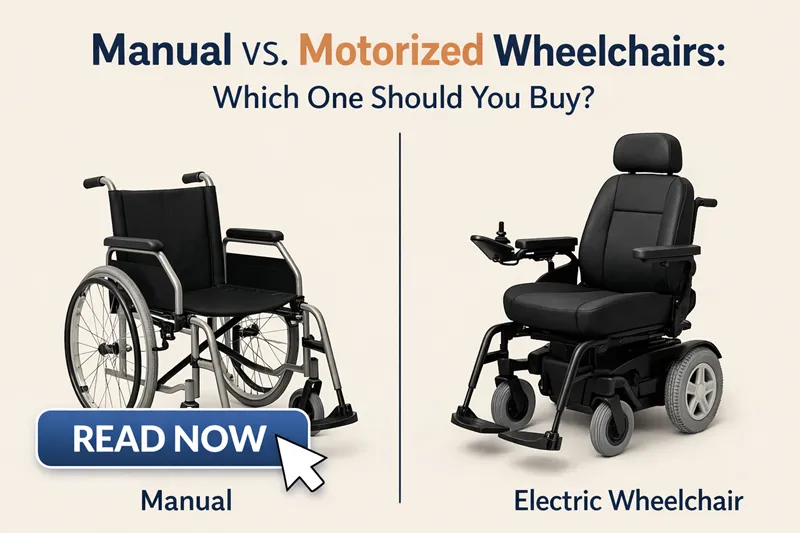
1. Manual Wheelchairs
Manual wheelchairs are operated either:
- By
the user using hand rims, or
- By a
caregiver pushing from behind
They are the most commonly used wheelchairs in Indian homes,
hospitals, rehabilitation centers, and post-discharge care setups due to their
simplicity, affordability, and ease of use.
2. Motorized (Electric) Wheelchairs
Motorized wheelchairs are battery-powered and controlled via
a joystick or control panel. These wheelchairs are designed for users who:
- Cannot
exert continuous physical effort
- Require
long-term mobility assistance
- Desire
greater independence and outdoor access
They represent a shift from assisted mobility to
self-directed movement.
Manual Wheelchairs: Advantages, Limitations & Best
Uses
Key Advantages of Manual Wheelchairs
- Budget-friendly
and widely available across India
- Lightweight
and foldable, ideal for storage in apartments
- Minimal
maintenance no batteries, motors, or electronics
- Easy
to transport in cars, ambulances, or elevators
- Well-suited
for temporary or short-term recovery
- Ideal
for small Indian homes, narrow passages, and compact rooms
For many families, manual wheelchairs are a practical first
step into home mobility care.
Limitations of Manual Wheelchairs
- Requires
upper-body strength from the user
- Continuous
self-propelling can cause shoulder, wrist, and back strain
- Not
ideal for long outdoor distances or uneven surfaces
- Higher
dependence on caregivers for daily movement
- Can
feel restrictive for users seeking autonomy
Best Suited For
Manual wheelchairs work best for:
- Elderly
users with active family support
- Patients
recovering from temporary injuries or surgeries
- Short-term
post-hospital discharge care
- Indoor
mobility within homes and hospitals
- Users
who do not require constant independent movement
Motorized Wheelchairs: Advantages, Limitations & Best
Uses
Key Advantages of Motorized Wheelchairs
- Enables
high levels of independence
- Requires
minimal physical effort
- Comfortable
for long-term, daily use
- Ideal
for outdoor mobility, longer distances, and uneven roads
- Advanced
features such as:
- Cushioned
seating
- Adjustable
armrests and footrests
- Anti-tip
wheels
- Speed
control and braking systems
For many users, motorized wheelchairs are life-changing, not
just convenient.
Limitations of Motorized Wheelchairs
- Higher
upfront cost compared to manual wheelchairs
- Requires
regular battery charging and monitoring
- Heavier
and less portable
- Needs
adequate indoor turning space
- Repairs
and servicing require professional support
Best Suited For
Motorized wheelchairs are ideal for:
- Long-term
mobility challenges
- Neurological
conditions (stroke, spinal injury, Parkinson’s, MS)
- Users
with limited hand, arm, or upper-body strength
- Individuals
who move independently outdoors
- Users
seeking autonomy, dignity, and reduced caregiver dependence
Manual vs Motorized Wheelchair: Comparison Table
|
Feature |
Manual
Wheelchair |
Motorized
Wheelchair |
|
Cost |
Affordable |
Premium |
|
Independence |
Moderate |
Very High |
|
Physical
Effort |
Required |
Minimal |
|
Portability |
High |
Low |
|
Maintenance |
Very Low |
Moderate |
|
Best Use |
Short-term /
Assisted |
Long-term /
Independent |
Key Factors to Consider Before Buying a Wheelchair
Before deciding, families should evaluate the following practical,
real-life factors:
1. User Strength & Mobility Level
- Can
the user self-propel comfortably?
- Is
fatigue or pain an issue?
2. Indoor vs Outdoor Usage
- Mostly
home-based or frequent outdoor movement?
- Road
conditions, ramps, and building access matter.
3. Home Size & Storage Space
- Door
widths, turning radius, and room layout
- Storage
when the wheelchair is not in use
4. Caregiver Availability
- Is
someone available to assist daily?
- Will
dependence affect dignity or mental well-being?
5. Budget & Long-Term Value
- Short-term
savings vs long-term comfort
- Cost
of upgrades, accessories, or replacements
Smart Tip:
For many families, renting a wheelchair especially a motorized one is a
practical way to test comfort, usability, and space compatibility before
committing to a purchase.
Conclusion: Making the Right Wheelchair Choice
There is no universally “better” wheelchair only the one
that best fits your life, home, and needs.
Choose a Manual Wheelchair If:
- Affordability
and simplicity matter most
- Caregiver
support is readily available
- Mobility
needs are temporary or indoor-focused
- Home
space is limited
Manual wheelchairs are reliable, economical, and effective
for short-term recovery and assisted care in Indian households.
Choose a Motorized Wheelchair If:
- Independence
is a priority
- Long-term
mobility challenges exist
- Outdoor
movement is frequent
- Physical
effort must be minimized
Motorized wheelchairs offer freedom, confidence, and dignity,
allowing users to move on their own terms without constant reliance on others.
At Aarogyaa Bharat - Live Healthy, Live Better, we believe
the right wheelchair is not just about movement it’s about freedom, confidence,
dignity, and everyday ease.
Whether you choose to buy or rent, making an informed
decision today can dramatically improve quality of life tomorrow for users and
caregivers alike.