At Aarogyaa Bharat, we believe that quality healthcare
should be accessible beyond hospital walls. This blog explores the essential
medical equipment and devices used for critical care at home, their importance,
and how they support patient safety, recovery, and quality of life.
What Is Critical Care at Home?
Critical care at home refers to the delivery of advanced
medical care and continuous monitoring for patients who would otherwise require
ICU or high-dependency unit (HDU) admission. These patients may include:
- Post-ICU
recovery patients
- Elderly
individuals with multiple chronic illnesses
- Patients
requiring long-term ventilatory or oxygen support
- Neurological
or stroke patients
- Patients
with advanced cardiac or respiratory conditions
With the right equipment, trained caregivers, and medical
supervision, critical care at home can be safe, effective, and patient-centric.
Importance of Critical Care Equipment at Home
- Continuity
of Care: Ensures uninterrupted treatment after hospital discharge
- Reduced
Hospital Readmissions: Early detection of complications prevents
emergencies
- Emotional
Comfort: Healing in a familiar environment reduces stress and anxiety
- Cost
Efficiency: Significantly lowers ICU and prolonged hospital stay costs
- Lower
Infection Risk: Reduces exposure to hospital-acquired infections
- Personalized
Care: One-on-one attention improves outcomes
Essential Medical Equipment Used for Critical Care at
Home
1. Patient Monitoring Devices
Continuous monitoring is the backbone of home critical care.
- Multiparameter
Patient Monitors: Track heart rate, blood pressure, SpO2, respiratory
rate, and temperature
- Portable
ECG Monitors: Detect arrhythmias and cardiac abnormalities
- Pulse
Oximeters: Monitor oxygen saturation levels
- Non-invasive
Blood Pressure Monitors: Regular BP tracking
These devices help caregivers and doctors identify
deterioration early.
2. Oxygen Therapy Equipment
Many critically ill patients require supplemental oxygen
support.
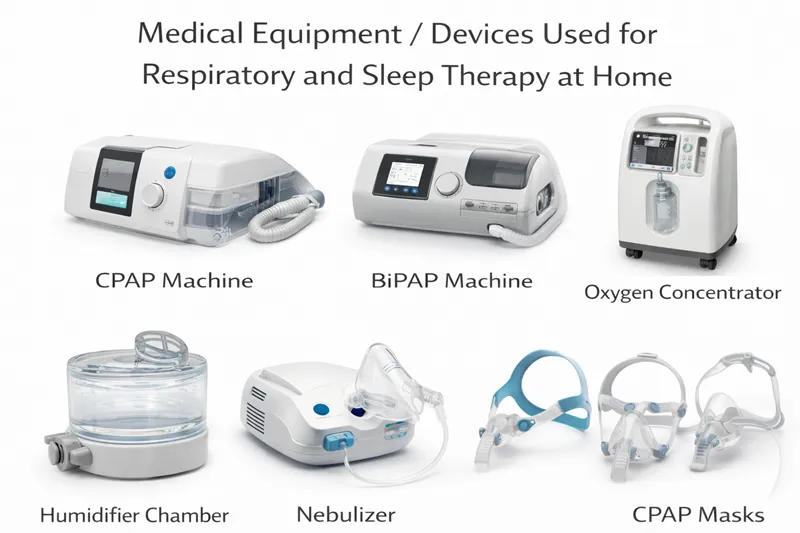
- Oxygen
Concentrators: Continuous oxygen supply without refilling
- Oxygen
Cylinders: Backup oxygen source
- Flow
Meters and Humidifiers: Regulate oxygen flow and prevent dryness
- Oxygen
Masks and Nasal Cannulas: Comfortable oxygen delivery
3. Ventilatory Support Devices
For patients with respiratory failure or compromised
breathing.
- Non-invasive
Ventilators (BiPAP / CPAP): Support breathing without intubation
- Home
Ventilators: Advanced support for long-term ventilation
- Tracheostomy
Care Equipment: Suction units, humidifiers, and emergency kits
These devices are life-saving for patients with COPD,
neuromuscular disorders, or post-COVID complications.
4. Infusion and Syringe Pumps
- Infusion
Pumps: Deliver medications, fluids, and nutrition precisely
- Syringe
Pumps: Ideal for critical drugs requiring controlled dosing
These pumps ensure medication accuracy and prevent dosing
errors.
5. Suction Machines
- Remove
secretions, mucus, or blood from airways
- Essential
for ventilated, tracheostomy, or unconscious patients
- Prevent
aspiration and respiratory distress
6. Hospital Beds and Pressure Care Equipment
- Motorized
ICU Beds: Adjustable head, foot, and height positions
- Air
Mattresses / Pressure Relief Mattresses: Prevent bedsores
- Side
Rails: Improve patient safety
7. Emergency and Life-Saving Equipment
- Defibrillators
(AEDs): For sudden cardiac arrest
- Emergency
Resuscitation Kits: Ambu bag, masks, airways
- Crash
Cart Essentials: Emergency drugs and supplies
8. Nutrition and Feeding Support
- Enteral
Feeding Pumps: For tube feeding
- PEG
Tube Care Equipment: Nutritional support for patients unable to swallow
9. Infection Control and Safety Devices
- Medical-grade
Disinfectants and Wipes
- Personal
Protective Equipment (PPE)
- Waste
Disposal Containers
Maintaining hygiene is crucial in critical home care.
Role of Trained Caregivers and Medical Supervision
Equipment alone is not enough. Successful critical care at
home requires:
- Trained
ICU nurses and caregivers
- Regular
doctor visits or teleconsultations
- Emergency
response planning
- Family
education and support
Benefits of Critical Care at Home
- Faster
recovery and improved mental well-being
- Personalized
and compassionate care
- Better
patient dignity and comfort
- Reduced
healthcare costs
- Improved
family involvement in care
Challenges and Considerations
- Need
for proper infrastructure and space
- Reliable
power backup
- Emergency
preparedness
- Strict
adherence to protocols
- Continuous
caregiver training
Choosing a trusted provider like Aarogyaa Bharat ensures safety and reliability.
Conclusion
Critical care at home is transforming healthcare delivery by
bringing advanced medical support directly to patients’ homes. With the right
combination of equipment, trained caregivers, and continuous medical
supervision, patients can receive high-quality critical care while maintaining
comfort and dignity.
At Aarogyaa Bharat, we are committed to enabling safe,
reliable, and compassionate home critical care solutions that support recovery,
independence, and peace of mind for patients and families alike.