Understanding Medical Oxygen Bottles in Home Healthcare
Medical oxygen bottles contain highly compressed oxygen that
helps patients maintain healthy oxygen saturation levels when breathing becomes
difficult. These cylinders are commonly used in Indian home-care environments
because they provide reliable oxygen support without relying on electricity.
Oxygen therapy allows patients to recover outside hospitals while maintaining
respiratory stability, but it also introduces safety responsibilities for
families and caregivers. Oxygen itself does not burn, yet it accelerates
combustion dramatically, which makes storage practices extremely important.
Aarogyaa Bharat emphasizes that oxygen bottles should always be treated as
medical equipment rather than household devices, requiring structured
placement, proper handling, and regular monitoring to ensure safe daily use.
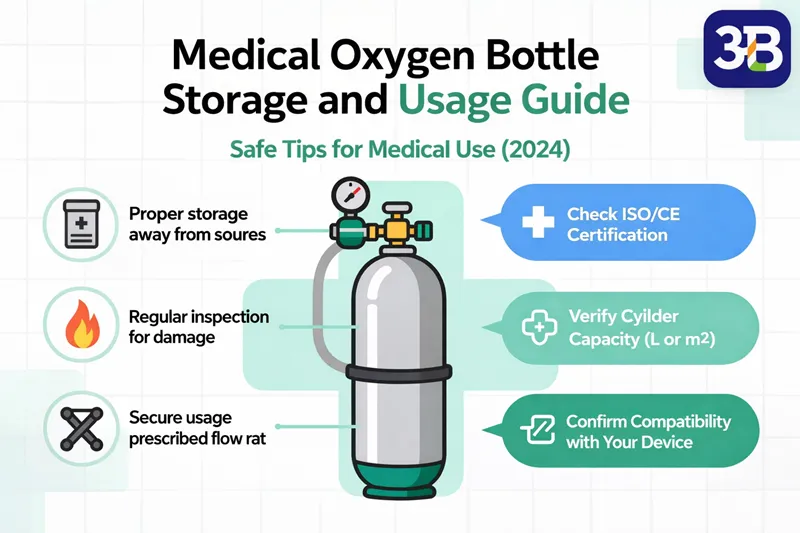
Why Proper Storage of Medical Oxygen Bottles Is Critical
Incorrect storage is one of the most common causes of
oxygen-related accidents at home. Cylinders must remain upright and secured to
prevent falling because the valve area contains pressurized components that can
become dangerous if damaged. Storing oxygen bottles near heat sources such as
stoves, heaters, or direct sunlight increases risk, while placing them in
cramped or poorly ventilated areas can lead to oxygen accumulation. Aarogyaa
Bharat recommends designating a specific oxygen therapy corner in the home
where airflow remains consistent and equipment stays protected from accidental
contact by children or pets. Proper storage not only improves safety but also
extends the lifespan of regulators, valves, and tubing systems.
Table: Recommended Storage Conditions for Medical Oxygen
Bottles
|
Storage
Factor |
Recommended
Practice |
Safety
Benefit |
Caregiver
Tip |
|
Position |
Always
upright |
Prevents
valve damage |
Use cylinder
stand |
|
Distance from
Heat |
Minimum 6–10
feet |
Reduces fire
risk |
Avoid kitchen
areas |
|
Ventilation |
Well-aired
space |
Prevents
oxygen build up |
Keep windows
slightly open |
|
Surface |
Flat and
stable |
Avoids
tipping |
Use non-slip
base |
Correct Setup Before Using a Medical Oxygen Bottle
Before starting oxygen therapy, caregivers must ensure that
the cylinder regulator is attached securely and that the pressure gauge is
functioning properly. The flow meter should be adjusted only according to
medical prescription, as incorrect flow rates may lead to under-oxygenation or
excessive oxygen exposure. Tubing should remain free of knots, bends, or
damage, ensuring smooth oxygen delivery to the patient. Aarogyaa Bharat advises
conducting a quick visual inspection of all components before each use to
identify leaks or loose connections, which can compromise therapy effectiveness
and safety.
Safe Usage Practices During Oxygen Therapy
Using an oxygen bottle safely involves maintaining awareness
of environmental hazards and patient comfort. Patients should avoid smoking,
using open flames, or applying oil-based skincare products near oxygen masks
because oxygen-rich environments increase combustion risk. Electrical devices
placed near oxygen therapy areas should be properly insulated and maintained to
prevent sparks. Cotton clothing is often recommended during therapy sessions
because synthetic fabrics may generate static electricity. Aarogyaa Bharat
highlights that simple habits such as turning off the cylinder valve when not
in use and keeping accessories clean can significantly reduce risk during daily
oxygen therapy.
Table: Oxygen Bottle Usage Safety Checklist
|
Safety
Area |
Best
Practice |
Risk
Prevented |
Monitoring
Method |
|
Valve
Handling |
Open slowly |
Pressure
damage |
Watch
pressure gauge |
|
Mask Hygiene |
Clean
regularly |
Infection
risk |
Daily
cleaning |
|
Flow
Adjustment |
Follow
prescription |
Over-oxygenation |
Pulse
oximeter check |
|
Tubing Care |
Avoid
twisting |
Oxygen
blockage |
Inspect
before use |
Monitoring Patients While Using Oxygen Bottles
Monitoring is essential to ensure that oxygen therapy
remains effective and safe. Pulse oximeters allow caregivers to track oxygen
saturation levels and adjust therapy under medical guidance if needed. Symptoms
such as headache, confusion, or excessive drowsiness may indicate incorrect
oxygen flow or underlying medical issues requiring professional attention.
Aarogyaa Bharat encourages families to maintain a therapy log that records
oxygen usage duration, flow settings, and patient response, as this information
helps doctors evaluate progress during follow-up consultations.
Transporting Oxygen Bottles Safely Within the Home
Moving oxygen cylinders requires careful handling because
sudden impact or improper positioning may damage the valve. Cylinders should be
carried using dedicated carts or holders rather than dragged or rolled. During
transport, the valve cap should remain secure, and caregivers should maintain a
firm grip to prevent accidental drops. Aarogyaa Bharat recommends planning
cylinder placement strategically so that frequent movement becomes unnecessary,
reducing wear and tear on equipment.
Storing Spare Oxygen Bottles and Backup Supplies
Many families keep spare cylinders as backup during
emergencies or power outages. Backup bottles should be stored in the same safe
conditions as active cylinders, with clear labelling to avoid confusion.
Regulators and accessories should remain covered when not in use to prevent
dust accumulation. Aarogyaa Bharat advises checking cylinder pressure
periodically to ensure that backup oxygen remains available when needed.
Emotional and Psychological Benefits of Safe Oxygen Setup
For patients who rely on oxygen therapy, a well-organized
and safe setup can reduce anxiety and create a sense of security. Knowing that
oxygen equipment is positioned correctly and functioning properly allows
patients to focus on recovery rather than worrying about safety risks.
Caregivers also gain confidence when they understand storage and usage
guidelines clearly. Aarogyaa Bharat believes that combining medical knowledge
with emotional reassurance creates a supportive home environment that improves
overall treatment outcomes.
Common Mistakes to Avoid in Oxygen Bottle Storage and
Usage
Some families unknowingly store oxygen bottles in enclosed
cupboards, near kitchen appliances, or directly on uneven floors, which
increases risk. Others forget to close cylinder valves after use, leading to
oxygen wastage and potential hazards. Ignoring minor leaks or damaged tubing
can also compromise safety. Aarogyaa Bharat emphasizes that routine inspection
and adherence to manufacturer instructions are essential for preventing
accidents in home healthcare environments.
Conclusion
Medical oxygen bottles are essential tools in home
healthcare, providing life-supporting oxygen therapy when patients need it
most. Safe storage, proper handling, and responsible usage practices ensure
that oxygen therapy remains effective without introducing unnecessary risks. By
following structured safety guidelines and maintaining organized oxygen therapy
spaces, families can create a secure environment that supports patient recovery
and long-term respiratory health. Aarogyaa Bharat encourages caregivers to
treat oxygen equipment with respect and awareness, integrating safety into
daily routines to protect both patients and homes.