Understanding Medical Oxygen Therapy Before Choosing a
Cylinder
Medical oxygen therapy is prescribed when patients
experience low blood oxygen levels due to conditions such as COPD, pneumonia
recovery, lung infections, heart disease, or post-surgery complications. Oxygen
cylinders provide compressed oxygen that helps improve breathing efficiency,
stabilize oxygen saturation, and reduce strain on vital organs. However,
selecting the wrong oxygen bottle can lead to inconvenience, insufficient
supply, or safety risks. Aarogyaa Bharat emphasizes that oxygen cylinders are
medical devices rather than general wellness products, and choosing the right
model requires evaluating clinical needs, lifestyle factors, and caregiver
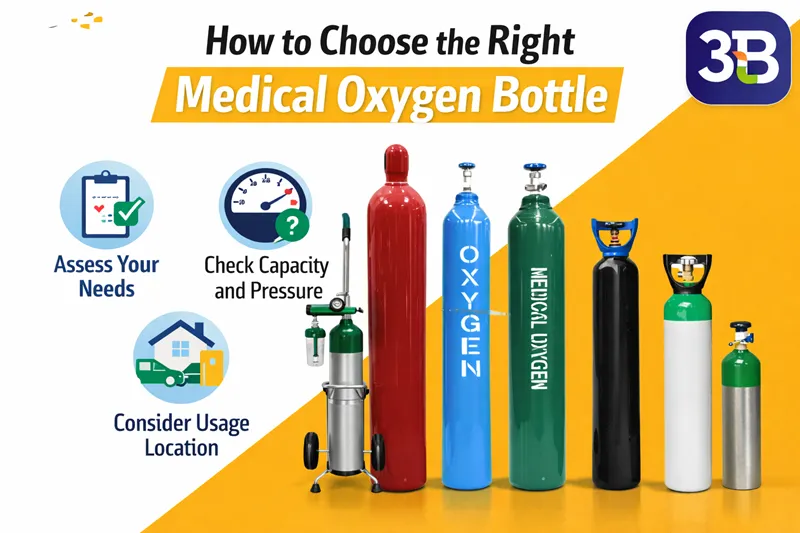
capability. Understanding the difference between portable cylinders, stationary
cylinders, and backup oxygen systems helps families make informed decisions
that support long-term treatment.
Key Factors That Determine the Right Oxygen Bottle
The choice of oxygen cylinder depends on several critical
factors including prescribed oxygen flow rate, daily usage duration, patient
mobility requirements, and available home space. Patients who require
continuous oxygen therapy may benefit from larger cylinders that provide
extended supply, while individuals needing occasional oxygen may prefer
lightweight portable bottles. The regulator system, pressure gauge accuracy,
and compatibility with nasal cannulas or masks also play an important role.
Aarogyaa Bharat highlights that selecting a cylinder without considering these
parameters often leads to frequent refills or unnecessary safety concerns.
Table: Oxygen Cylinder Types and Their Ideal Usage
|
Cylinder
Type |
Capacity
Level |
Best For |
Key
Advantage |
|
Portable
Oxygen Bottle |
Low capacity |
Short-term
mobility |
Lightweight
design |
|
Medium
Cylinder |
Moderate
capacity |
Night-time
therapy |
Balanced
usage |
|
Large
Stationary Cylinder |
High capacity |
Continuous
therapy |
Long oxygen
supply |
|
Backup
Cylinder |
Emergency use |
Power outages |
Reliable
safety option |
Understanding Oxygen Flow Rate and Patient Requirements
Flow rate, measured in liters per minute (LPM), determines
how quickly oxygen is delivered to the patient. Some individuals require
low-flow therapy for mild breathing difficulty, while others need higher flow
rates during recovery or severe respiratory conditions. Choosing a cylinder
that matches the prescribed flow rate ensures that oxygen supply lasts the
intended duration without interruption. Aarogyaa Bharat advises calculating
estimated usage hours before purchasing a cylinder to avoid frequent refilling
or unexpected oxygen shortages.
Cylinder Material and Build Quality: Why It Matters
Medical oxygen cylinders are typically made from steel or
lightweight aluminium. Steel cylinders offer durability and stability, making
them suitable for stationary home use, while aluminium cylinders provide
portability for patients who need mobility support. High-quality valves and
regulators ensure accurate pressure control, reducing the risk of leaks or
malfunction. Aarogyaa Bharat recommends selecting certified medical-grade
cylinders with reliable safety features to ensure long-term performance and patient
safety.
Safety Features to Look for When Choosing an Oxygen
Bottle
Safety is the most important factor when selecting an oxygen
cylinder because oxygen increases combustion risk even though it is not
flammable itself. Look for cylinders with secure valve caps, accurate pressure
gauges, and compatible regulators designed for medical use. Anti-tip stands or
wall brackets help prevent accidental falls, while oxygen flow meters allow
precise adjustment according to medical instructions. Aarogyaa Bharat stresses
that families should prioritize safety certifications and avoid using
industrial oxygen cylinders for medical therapy.
Table: Essential Safety Features in Medical Oxygen
Bottles
|
Safety
Feature |
Purpose |
Benefit
for Home Use |
Caregiver
Tip |
|
Pressure
Regulator |
Controls flow |
Prevents
oxygen wastage |
Check
regularly |
|
Valve Cap |
Protects
cylinder head |
Reduces
damage risk |
Keep secured |
|
Flow Meter |
Adjusts
oxygen level |
Accurate
therapy |
Follow doctor
advice |
|
Cylinder
Stand |
Prevents
tipping |
Improved
safety |
Place on flat
surface |
Choosing Between Oxygen Cylinder and Oxygen Concentrator
Many families wonder whether to choose an oxygen cylinder or
an oxygen concentrator. Cylinders provide high-purity oxygen and work without
electricity, making them ideal for emergencies or travel. Concentrators
generate oxygen continuously from ambient air and are often used for long-term
therapy at home. Aarogyaa Bharat recommends considering a hybrid setup where a
concentrator handles daily therapy while a cylinder serves as backup during
power outages or medical emergencies.
Home Setup Considerations Before Buying an Oxygen Bottle
The home environment plays a crucial role in determining the
right oxygen cylinder size and placement. Adequate ventilation, distance from
cooking areas, and secure storage space are essential for safe operation.
Cylinders should always remain upright and positioned away from direct sunlight
or heat sources. Aarogyaa Bharat advises families to create a dedicated oxygen
therapy area that remains clutter-free and easily accessible for caregivers.
Patient Comfort and Ease of Use
Comfort and ease of use influence long-term adherence to
oxygen therapy. Lightweight cylinders are easier for caregivers to handle,
while user-friendly regulators simplify flow adjustments. Noise level, tubing
length, and mask comfort also affect patient experience. Aarogyaa Bharat
highlights that choosing equipment that integrates seamlessly into daily
routines encourages consistent therapy and improves recovery outcomes.
Transport and Mobility Considerations
Patients who need to move within the home or travel outside
may require portable oxygen cylinders with carrying cases or carts. Secure
transport mechanisms prevent accidental drops and make mobility safer. Aarogyaa
Bharat recommends discussing travel needs with healthcare professionals to
ensure that the chosen oxygen bottle meets both safety and convenience
requirements.
Emotional and Psychological Impact of Choosing the Right
Oxygen Equipment
Selecting the right oxygen bottle can significantly reduce
anxiety for patients and caregivers by ensuring reliable respiratory support.
Confidence in equipment safety encourages patients to focus on recovery rather
than worrying about oxygen supply. Aarogyaa Bharat believes that clear
education and proper equipment selection play a major role in improving
emotional well-being during home healthcare.
Common Mistakes to Avoid When Choosing an Oxygen Bottle
Many families choose cylinders based solely on price or size
without considering medical prescription or daily usage patterns. Ignoring
safety certifications, buying incompatible regulators, or underestimating
oxygen consumption can create serious challenges. Aarogyaa Bharat advises
consulting healthcare providers before purchasing oxygen equipment to ensure
that therapy remains safe and effective.
Conclusion
Choosing the right medical oxygen bottle requires
understanding patient needs, safety features, and long-term therapy goals. From
selecting the correct cylinder size to ensuring proper setup and maintenance,
every decision plays a role in creating a safe and effective home oxygen
environment. Aarogyaa Bharat encourages families to approach oxygen therapy as
a structured healthcare process that combines medical guidance, safety
awareness, and thoughtful equipment selection to improve comfort, recovery, and
overall quality of life.