Monsoon Treks: Embrace Nature, But Prioritize Your Health
Monsoon treks are magical lush green valleys, misty trails, and the refreshing scent of rain-drenched earth. But while monsoon treks in India are breathtaking, they also come with unique health and safety risks. So before you lace up your boots and grab that raincoat, here’s your ultimate guide to monsoon trekking with health as your number one priority.
Why Trekking During Monsoons Feels So Special?
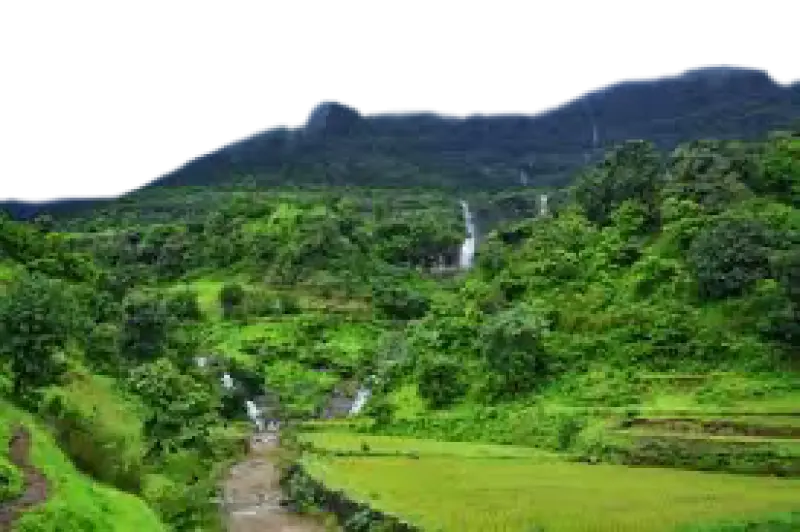
The hills come alive with greenery.
Waterfalls gush with full force.
The air feels cleaner and cooler.
It’s a mental detox from the chaos of urban life.
But monsoon trekking is not just about beautiful views. It demands preparation, awareness, and smart choices, especially when it comes to your health and safety.
Health Risks to Watch Out For During Monsoon Treks
1. Slips and Falls
Wet and mossy trails increase the risk of slipping. One wrong step can lead to sprains or fractures.
2. Waterborne Illnesses
Drinking untreated water from natural sources can cause infections like diarrhea, jaundice, or typhoid.
3. Mosquito & Leech Bites
Stagnant water and wet terrain are breeding grounds for mosquitoes and leeches, which can lead to infections.
4. Hypothermia or Chills
Getting drenched without a change of dry clothes or rain protection can make you sick fast.
5. Foot Infections & Skin Rashes
Wet socks and shoes for long hours can cause fungal infections or trench foot.
Smart Health Tips for Monsoon Trekking
Wear the Right Gear
Use non-slip, water-resistant trekking shoes.
Carry a rain poncho or lightweight waterproof jacket.
Wear full-sleeved clothes to prevent insect bites and skin exposure.
Stay Hydrated – But Smartly
Carry your own boiled or filtered water. Avoid drinking directly from streams.
Pack electrolyte powders to prevent dehydration or fatigue.
First Aid Kit is Non-Negotiable
Carry antiseptics, anti-diarrheals, painkillers, leech repellent, and band-aids.
Add a few waterproof pouches for your medicines and electronics.
Eat Clean
Stick to dry, non-perishable, and packed foods.
Avoid street food or anything uncooked along the way.
Respect Your Body
If you're feeling exhausted or unwell, rest. Overexertion in wet conditions is risky.
Warm up properly before starting, and cool down after the trek.
Best Monsoon Treks in India
Lohagad & Visapur Forts (Maharashtra) – Short treks with basic clinics nearby.
Rajmachi Trek (Maharashtra) – Moderate difficulty, good for fit beginners.
Valley of Flowers (Uttarakhand) – A beautiful, but long trek; carry full gear and check health facilities in Ghangaria.
Tadiandamol Trek (Coorg, Karnataka) – Lush terrain, close to local medical help.
Chembra Peak (Kerala) – Known for the heart-shaped lake and accessible forest support teams.
Mental & Physical Health Benefits of Monsoon Treks
Stress Relief: The natural scenery and cooler weather are ideal for mental detox.
Cardio Workout: Uphill walks improve stamina and cardiovascular health.
Mindfulness: The sounds of rain and nature boost mental clarity.
Vitamin D: Even on cloudy days, outdoor time helps with Vitamin D synthesis.
Things You Must Pack (Health-Wise)
Personal medication (especially if you have asthma, diabetes, or BP issues)
Disinfectant wipes and hand sanitizer
Waterproof pouches for first-aid and electronics
Energy bars and glucose packs
Anti-fungal powder or cream for feet
Conclusion
Monsoon treks are an incredible way to reconnect with nature and yourself but your health should always come first. A little preparation can turn a risky adventure into a safe and unforgettable experience. So go ahead explore the misty mountains and roaring waterfalls but let your rain boots walk hand in hand with common sense and care.