In Indian homes, where bathrooms may be located far from
bedrooms, floors can be slippery, and lighting is often minimal at night, the
risk becomes even greater. A commode chair for night-time safety is
specifically intended to reduce these dangers by allowing safe, immediate, and
dignified toileting without the need to walk long distances in the dark. Rather
than being a convenience item, a night-time commode chair becomes a critical
safety device that protects health, independence, and peace of mind for both
patients and caregivers.
Why Night-Time Toileting Is Especially Risky
During the night, the human body is at its weakest and least
alert. Blood pressure may drop suddenly when standing, muscles are stiff after
lying down, vision is impaired in low light, and reaction times are slower.
Elderly individuals and patients with chronic conditions may also experience
increased urinary frequency at night due to medications, prostate issues,
diabetes, or neurological conditions. Walking to the bathroom half-asleep,
often without full awareness of surroundings, dramatically increases the risk
of slipping, tripping, or collapsing. Many serious fractures, including hip
fractures and head injuries, occur during night-time bathroom visits. A commode
chair placed close to the bed eliminates the most dangerous part of this
routine by removing the need for walking and navigating dark spaces.
Understanding the Role of a Commode Chair in Night-Time
Safety
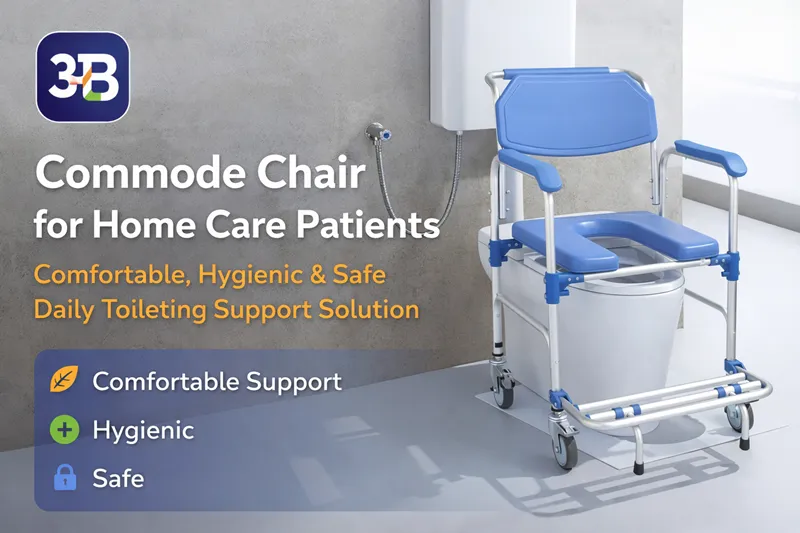
A commode chair for night-time use is designed to bring
toileting within immediate reach of the patient, usually beside the bed. This
allows users to sit, use the toilet, and return to bed with minimal movement
and effort. The chair provides stable support through armrests, a backrest, and
a fixed seating position, reducing the chance of losing balance. For patients
who require caregiver assistance, the commode chair also allows safer support
without rushing to guide the patient across the room or to the bathroom. In
night-time care, predictability and stability are essential, and a commode
chair provides both.
Who Needs a Night-Time Commode Chair the Most
Night-time commode chairs are especially important for
elderly individuals, stroke survivors, Parkinson’s patients, spinal injury
patients, post-surgery recovery patients, pregnant women with mobility issues,
and people with chronic illnesses such as arthritis, heart disease, or
respiratory disorders. They are also highly beneficial for patients who
experience dizziness, frequent urination, or weakness during the night. In many
cases, individuals may manage daytime bathroom use safely but struggle significantly
at night. A commode chair ensures continuous safety regardless of time, fatigue
level, or lighting conditions.
Preventing Falls and Injuries During Night Hours
Falls at night are often more severe because help may be
delayed, and injuries may go unnoticed until morning. A simple fall can result
in fractures, internal bleeding, or long-term loss of mobility, especially in
older adults. A commode chair reduces fall risk by keeping the patient in a
controlled environment close to the bed. Stable legs, anti-slip tips, and
secure armrests allow users to sit and stand safely. By minimizing movement and
eliminating slippery bathroom floors, a night-time commode chair acts as a
strong preventive measure against serious injuries.
Emotional Comfort and Confidence at Night
Fear plays a major role in night-time toileting. Many
elderly individuals and patients feel anxious about getting up in the dark,
worrying about falling or waking others for help. This fear may lead them to
delay toileting, resulting in discomfort, incontinence, or health
complications. A commode chair placed beside the bed provides reassurance and
confidence, allowing users to toilet calmly and independently. This emotional
comfort improves sleep quality, reduces anxiety, and supports mental well-being,
which is essential for long-term health.
Role of Night-Time Commode Chairs in Elderly Home Care
As people age, night-time mobility becomes increasingly
difficult due to weaker muscles, joint stiffness, and slower reflexes. Elderly
individuals are also more likely to wake up multiple times at night to use the
toilet. A commode chair ensures that these frequent night-time bathroom needs
can be met safely without disturbing caregivers or risking injury. For families
caring for seniors at home, this significantly reduces night-time stress and
constant monitoring, allowing both the caregiver and the elderly individual to
rest more peacefully.
Importance in Chronic Illness and Long-Term Care
Patients with chronic illnesses often experience fatigue,
weakness, or breathlessness that worsens at night. Walking to the bathroom may
cause shortness of breath, dizziness, or sudden weakness. A commode chair
allows toileting without triggering these symptoms by minimizing exertion. Over
time, this reduces health complications, supports consistent toileting habits,
and improves overall quality of life. In long-term care settings at home,
night-time safety solutions like commode chairs become essential rather than
optional.
Key Safety Features to Look for in a Night-Time Commode
Chair
|
Feature |
Purpose |
Safety
Benefit |
|
Stable,
non-slip legs |
Prevent chair
movement |
Fall
prevention |
|
Strong
armrests |
Support
sitting and standing |
Balance
control |
|
Backrest |
Improves
posture |
Reduced
fatigue |
|
Proper seat
height |
Easy
transfers |
Less strain |
|
Easy-to-clean
bucket |
Night hygiene |
Infection
control |
Fixed vs Wheeled Commode Chairs for Night-Time Use
|
Type |
Suitability |
Reason |
|
Fixed commode
chair |
Most
night-time use |
Maximum
stability |
|
Wheeled
commode with locks |
Assisted
patients |
Controlled
movement |
|
Height-adjustable
chair |
Post-surgery
care |
Reduced joint
strain |
Steel vs Plastic Commode Chairs for Night-Time Safety
|
Feature |
Steel
Commode Chair |
Plastic
Commode Chair |
|
Stability |
Excellent |
Good |
|
Weight
capacity |
High |
Limited |
|
Durability |
Long-term |
Short-term |
|
Best for |
Elderly and
chronic care |
Temporary use |
Placement of a Commode Chair for Night-Time Safety
For maximum effectiveness, the commode chair should be
placed beside the bed on the side where the patient naturally gets up. The
floor should be dry and free from loose rugs or obstacles. Soft night lighting
can be added nearby, but the chair should be usable even in low light. Privacy
should be maintained using curtains or screens if required. Correct placement
ensures that the patient does not need to search for the chair or move
dangerously during the night.
Hygiene and Maintenance for Night-Time Use
Night-time commode chairs must be kept clean to prevent odor
and infection. The bucket should be emptied and cleaned in the morning, and the
seat and armrests disinfected daily. Regular inspection of anti-slip tips and
joints ensures continued safety. Maintaining hygiene not only protects health
but also ensures that the chair remains comfortable and pleasant to use at
night.
Reducing Caregiver Stress During Night Hours
Caregivers often experience exhaustion due to interrupted
sleep and constant vigilance at night. A commode chair reduces the need for
urgent assistance, repeated bathroom trips, and fear of accidents. This allows
caregivers to rest better while knowing that the patient can toilet safely.
Over time, this improves caregiver health, patience, and ability to provide
quality care during the day.
Why Aarogyaa Bharat Recommends Night-Time Safety Commode
Chairs
Aarogyaa Bharat understands that most home-care accidents
occur at night and are often preventable. Our commode chairs are selected with
a strong focus on stability, ease of use, hygiene, and night-time safety in
Indian home environments. By providing dependable solutions for night-time
toileting, Aarogyaa Bharat helps families protect their loved ones from
avoidable injuries while preserving dignity and independence.
Conclusion
A commode chair for night-time safety is one of the simplest yet most powerful tools to prevent falls, injuries, and anxiety during the most vulnerable hours of the day. By allowing safe, immediate, and dignified toileting close to the bed, it protects physical health, emotional well-being, and caregiver peace of mind. Whether for elderly care, chronic illness management, post-surgery recovery, or long-term home care, a night-time commode chair transforms dangerous night routines into safe, manageable habits. Aarogyaa Bharat remains committed to offering thoughtful home-care solutions that make every hour safer, especially when it matters most.