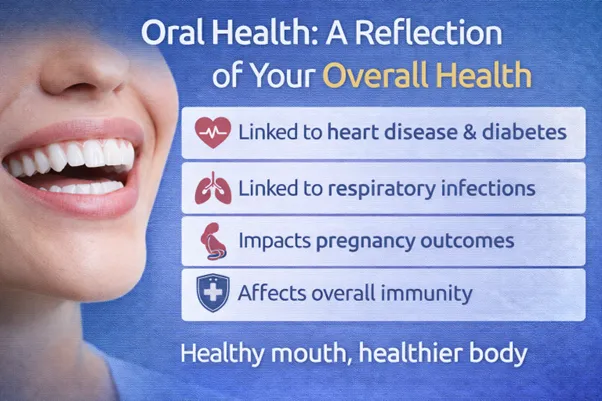
Yet, oral health is often overlooked until pain or
discomfort appears. What many people don’t realize is that the condition of
your mouth, teeth, and gums can reveal a lot about your overall health. From
heart disease and diabetes to infections and nutritional deficiencies, your
oral health acts as a mirror reflecting what’s happening inside your body.
At Aarogyaa Bharat, we believe preventive care starts with
awareness. This article explores how oral health impacts your general
well-being and why taking care of your mouth is essential for a healthier life.
What Is Oral Health?
Oral health refers to the well-being of:
- Teeth
- Gums
- Tongue
- Jaw
- Salivary
glands
- Oral
tissues
Good oral health means:
- No
tooth decay or cavities
- Healthy
gums without bleeding or swelling
- Fresh
breath
- Pain-free
chewing and speaking
- Absence
of infections or sores
Poor oral health, on the other hand, can affect far more
than just your smile.
How Oral Health Is Linked to Overall Health
Your mouth is full of bacteria most are harmless, but poor
oral hygiene allows harmful bacteria to grow. These bacteria can enter the
bloodstream through inflamed gums or oral wounds, affecting other organs.
1. Oral Health and Heart Disease
Studies have shown a link between gum disease
(periodontitis) and heart conditions. Inflammation caused by gum infections may
increase the risk of:
- Heart
attacks
- Stroke
- Blocked
arteries
Maintaining healthy gums helps reduce inflammation
throughout the body.
2. Oral Health and Diabetes
Diabetes and gum disease have a two-way relationship:
- Diabetes
increases the risk of gum infections
- Gum
disease makes it harder to control blood sugar
Good oral hygiene can help people with diabetes manage their
condition better.
3. Oral Health and Respiratory Infections
Bacteria from the mouth can be inhaled into the lungs,
increasing the risk of:
- Pneumonia
- Chronic
lung infections
- Respiratory
complications in elderly patients
This is especially important for people with weak immunity
or those using ventilators.
4. Oral Health and Pregnancy
Poor oral health during pregnancy has been linked to:
- Premature
birth
- Low
birth weight babies
- Pregnancy
gingivitis
Regular dental care is safe and recommended during
pregnancy.
Common Oral Health Problems
Tooth Decay (Cavities)
Caused by plaque buildup and sugar consumption, cavities can
lead to pain, infection, and tooth loss if untreated.
Gum Disease
Early gum disease (gingivitis) causes bleeding gums.
Advanced stages (periodontitis) can result in bone loss and loose teeth.
Bad Breath (Halitosis)
Often a sign of poor oral hygiene, dry mouth, or underlying
health conditions.
Oral Infections and Ulcers
Persistent sores or white/red patches should never be
ignored, as they may indicate serious conditions.
Signs That Your Oral Health Needs Attention
- Bleeding
gums while brushing
- Persistent
bad breath
- Tooth
sensitivity
- Loose
teeth
- Pain
while chewing
- Dry
mouth
- Mouth
ulcers that don’t heal
These symptoms may signal deeper health concerns.
Daily Habits for Better Oral and Overall Health
1. Brush Twice a Day
Use fluoride toothpaste and brush gently for at least two
minutes.
2. Floss Daily
Floss removes plaque between teeth where brushes cannot
reach.
3. Eat a Balanced Diet
Limit sugary foods and drinks. Include calcium-rich foods,
fruits, and vegetables.
4. Stay Hydrated
Water helps wash away food particles and bacteria.
5. Avoid Tobacco and Excess Alcohol
Both increase the risk of gum disease and oral cancer.
6. Regular Dental Check-Ups
Preventive visits help detect problems early.
Oral Care for Children, Adults, and Elderly
- Children:
Establish brushing habits early and limit sugary snacks
- Adults:
Focus on gum health and stress-related teeth grinding
- Elderly:
Manage dry mouth, denture hygiene, and oral infections
Every age group has unique oral health needs.
Why Oral Health Matters More Than You Think
A healthy mouth:
- Boosts
confidence and self-esteem
- Improves
digestion through proper chewing
- Reduces
risk of chronic diseases
- Supports
overall immunity
Ignoring oral health can silently affect your entire body.
Aarogyaa Bharat’s Approach to Preventive Health
At Aarogyaa Bharat, we emphasize:
- Awareness-based
healthcare education
- Access
to reliable medical and wellness products
- Preventive
health as the foundation of long-term well-being
Good health begins with small daily habits and oral care is
one of the most important.
Frequently Asked Questions (FAQs)
Q1. Can poor oral health really affect the heart?
Yes. Gum disease can increase inflammation and allow
bacteria to enter the bloodstream, which may contribute to heart disease and
stroke.
Q2. How often should I visit a dentist?
Most people should visit a dentist every 6 months, or more
frequently if advised due to existing oral problems.
Q3. Is bleeding while brushing normal?
No. Bleeding gums are usually a sign of gingivitis or gum disease and should not be ignored.
Conclusion
Your mouth is more than just a smile it’s a gateway to your
overall health. Paying attention to oral hygiene isn’t just about avoiding
cavities; it’s about protecting your heart, lungs, immune system, and quality
of life.
By making oral care a daily priority, you invest in
long-term health and well-being.