Understanding Asthma and Breathing Difficulties
Asthma is a chronic inflammatory condition of the airways
that causes narrowing, swelling, and excess mucus production. This leads to
difficulty in breathing, chest tightness, wheezing, and persistent coughing.
During an asthma attack, the airways constrict sharply,
reducing airflow into the lungs. This can cause a sudden drop in oxygen levels
in the blood, leading to dizziness, confusion, fatigue, and in severe cases,
cyanosis (bluish lips or fingernails).
While asthma primarily affects airflow rather than oxygen
concentration in ambient air, severe attacks and advanced asthma complications
can result in dangerously low blood oxygen levels that require supplemental
oxygen.
What Is an Oxygen Concentrator and How It Works
- An oxygen concentrator is a medical device that draws in room air, removes nitrogen, and delivers oxygen-enriched air to the patient through a nasal cannula or mask.
- Unlike oxygen cylinders, concentrators do not store oxygen. They generate oxygen continuously using internal compressors and molecular sieve technology.
- Modern home oxygen concentrators typically deliver oxygen at flow rates ranging from 1 to 10 liters per minute, with oxygen purity levels between 87% and 96%, depending on the model and flow setting.
Is an Oxygen Concentrator Necessary for Asthma Patients?
This is one of the most misunderstood aspects of asthma
care.
For most mild and moderate asthma patients, an oxygen
concentrator is not routinely required. Asthma is usually managed
effectively with inhalers, nebulizers, steroids, and long-term controller
medications.
However, an oxygen concentrator may be recommended in the
following situations:
- Severe
asthma attacks with low blood oxygen levels
- Frequent
hospitalizations for asthma exacerbations
- Asthma
complicated by COPD or heart disease
- Night-time
oxygen desaturation
- Long
COVID-induced asthma symptoms
- Elderly
asthma patients with reduced lung capacity
In these cases, supplemental oxygen can stabilize oxygen
saturation while medical treatment addresses airway inflammation.
Benefits of Oxygen Concentrators for Asthma Patients
1. Stabilizes Blood Oxygen Levels During Severe Attacks
During a serious asthma attack, oxygen levels in the blood
can fall dangerously low. An oxygen concentrator provides immediate
supplemental oxygen, helping prevent hypoxia and reducing the risk of organ
damage.
While oxygen does not open the airways, it ensures that
whatever air reaches the lungs contains a higher concentration of oxygen,
supporting vital organs.
2. Reduces Anxiety and Panic During Breathlessness
Asthma attacks often trigger panic, which worsens breathing
difficulty. The availability of oxygen therapy at home provides psychological
reassurance to patients and caregivers.
This sense of control can reduce anxiety-induced
hyperventilation and help patients stay calmer while using prescribed inhalers
or nebulizers.
3. Supports Elderly Asthma Patients with Weak Lungs
Older adults with asthma often have reduced lung elasticity
and weaker respiratory muscles. They may struggle to maintain adequate oxygen
saturation even between attacks.
In such patients, low-flow oxygen therapy at home can
improve energy levels, sleep quality, and overall comfort when recommended by a
physician.
4. Helps in Asthma-COPD Overlap Syndrome (ACOS)
Some patients suffer from both asthma and COPD, a condition
known as Asthma-COPD Overlap Syndrome.
These patients are more likely to experience chronic low
oxygen levels and may benefit significantly from long-term oxygen therapy using
a home oxygen concentrator.
When Should an Asthma Patient Use an Oxygen Concentrator?
Oxygen concentrators should only be used for asthma
when prescribed by a qualified doctor.
Typical medical indications include:
- Oxygen
saturation consistently below 88-90%
- Severe
asthma attacks requiring emergency oxygen
- Post-ICU
recovery from asthma complications
- Chronic
breathlessness not responding to inhalers alone
- Co-existing
lung or heart conditions
Self-prescribing oxygen therapy without medical guidance is
not recommended and can delay proper asthma treatment.
Choosing the Right Oxygen Concentrator for Asthma
Patients
Not all oxygen concentrators are suitable for asthma
patients. Choosing the right type depends on severity, mobility needs, and
medical recommendations.
1. Low-Flow Home Oxygen Concentrators (1-5 LPM)
These are ideal for most asthma patients who require
supplemental oxygen.
Key features to look for:
- Quiet
operation (≤ 50 dB)
- Stable
oxygen purity
- Compact
size
- Low
power consumption
- Easy-to-read
flow meter
These machines are suitable for bedroom use and night-time
therapy.
2. Portable Oxygen Concentrators (POCs)
Portable concentrators are useful for asthma patients who:
- Travel
frequently
- Experience
exertional breathlessness
- Need
oxygen support outside the home
However, most POCs provide pulse-dose oxygen and may not be
suitable for continuous-flow requirements.
3. High-Flow Oxygen Concentrators (5-10 LPM)
- High-flow concentrators are rarely required for asthma unless the patient has severe complications or overlapping lung diseases.
- These machines are larger, noisier, and consume more electricity, so they should only be chosen if medically necessary.
Safety Precautions for Asthma Patients Using Oxygen
Concentrators
- Using oxygen therapy safely is critical.
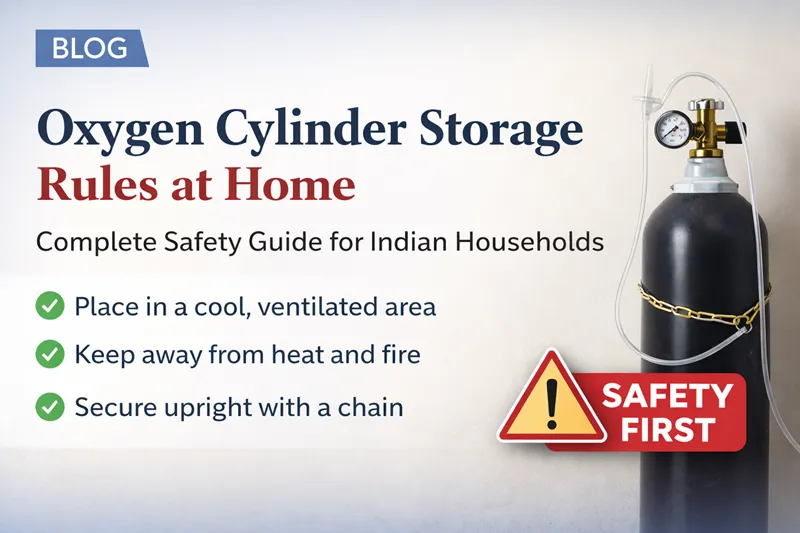
- Always place the concentrator in a well-ventilated area with at least one to two feet of clearance from walls or curtains.
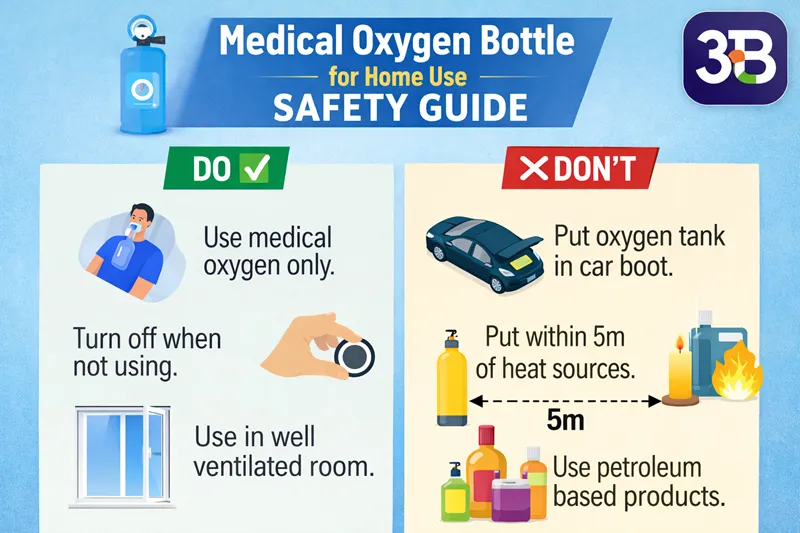
- Never smoke or allow open flames near oxygen equipment, as oxygen supports combustion and increases fire risk.
- Use only distilled or boiled-cooled water in humidifier bottles to prevent infections.
- Clean external filters weekly to maintain airflow and oxygen purity.
- Never increase flow rates beyond the doctor’s prescription, as excessive oxygen can suppress natural breathing drive in some patients.
Oxygen Concentrator vs Nebulizer for Asthma
This is a common source of confusion.
A nebulizer delivers medication directly into the
lungs to open airways and reduce inflammation. It treats the root cause of
asthma symptoms.
An oxygen concentrator delivers supplemental oxygen
but does not treat airway inflammation or bronchoconstriction.
In asthma care:
- Nebulizers
treat asthma
- Oxygen
concentrators support oxygen levels
They are often used together during severe asthma attacks
under medical supervision.
Maintenance Tips for Asthma-Friendly Oxygen Use
- Proper maintenance ensures safe and effective oxygen therapy.
- Clean external filters every 5-7 days.
- Wash nasal cannulas weekly and replace them every 2-4 weeks.
- Empty and clean humidifier bottles every 2-3 days.
- Schedule professional servicing every 6-12 months.
- Keep the machine dust-free and away from heat sources.
How Aarogyaa Bharat Supports Asthma Patients with Oxygen
Solutions
At Aarogyaa Bharat, we specialize in personalized
home oxygen solutions for asthma patients across India.
We provide:
- Doctor-recommended
concentrator models
- Quiet,
low-flow machines
- Portable
concentrator options
- Rental
and purchase plans
- In-home
demos
- Maintenance
support
- Emergency
backup oxygen cylinders
- 24/7
technical assistance
We also guide families on safe usage, hygiene, and
integration with nebulizer therapy.
Who Should Consider an Oxygen Concentrator for Asthma?
An oxygen concentrator may be suitable for:
- Severe
asthma patients
- Elderly
asthma patients
- Asthma-COPD
overlap patients
- Post-ICU
asthma recovery patients
- Long
COVID asthma sufferers
- Patients
with night-time oxygen drops
For mild asthma, an oxygen concentrator is usually
unnecessary.
Final Thoughts: Oxygen Therapy as Support, Not a
Replacement
An oxygen concentrator can be a valuable supportive tool for
asthma patients in specific medical situations, but it is not a substitute for
inhalers, nebulizers, or long-term asthma control medications.
Understanding when oxygen therapy is truly necessary
prevents misuse, unnecessary expenses, and false expectations.
At Aarogyaa Bharat - Live Healthy, Live Better, we
are committed to guiding families toward safe, medically appropriate oxygen
solutions tailored to each patient’s condition.
Need Help Choosing an Oxygen Concentrator for Asthma?
Contact Aarogyaa Bharat for:
- Expert
consultation
- Doctor-approved
concentrator recommendations
- Rental
and purchase options
- Portable
oxygen solutions
- Maintenance
and servicing support
- Emergency
backup systems
- Doorstep
delivery across India
Your health matters. Your breathing matters. Let us take
care of the rest.