Rising
healthcare costs, overcrowded hospitals, aging populations, post-COVID lung
damage, air pollution, smoking-related respiratory illness, lifestyle diseases,
and increased awareness about preventive care have all contributed to this
shift. Among all medical technologies used in home healthcare today, oxygen
support devices have become some of the most critical and life-saving tools
available to families.
Millions of people across India now live with chronic respiratory diseases, heart conditions, post-surgical breathing complications, post-COVID lung fibrosis, pollution-related lung injury, obesity hypoventilation syndrome, and age-related respiratory decline. Many of these conditions cause oxygen levels to fall silently without producing dramatic warning symptoms such as severe breathlessness or chest pain. This silent drop in oxygen known medically as hypoxemia can lead to confusion, fatigue, organ damage, sudden collapse, and even death if not detected and managed in time. Oxygen support devices allow families to detect, stabilize, and manage oxygen deficiency at home without rushing to hospitals for every breathing episode. They enable continuous or intermittent oxygen therapy that supports recovery, reduces complications, minimizes hospital readmissions, and dramatically improves quality of life for patients with breathing difficulties. This ultra-comprehensive guide by Aarogyaa Bharat explains everything families and caregivers need to know about oxygen support devices for home healthcare, including what oxygen therapy is, why it is needed, who benefits from it, the different types of oxygen devices available, how each device works, how to choose the right system, long-term safety rules, maintenance requirements, cost considerations, and how to build a reliable, future-proof home oxygen care setup.
Understanding Oxygen Therapy and Its Role in Home
Healthcare
Oxygen therapy is a medical treatment that delivers
supplemental oxygen to individuals whose blood oxygen levels are lower than
normal. Oxygen is not just a gas we breathe it is the fuel that powers every
organ in the body, including the brain, heart, lungs, kidneys, and muscles.
When oxygen levels drop below safe thresholds, even for short periods, the body
begins to suffer from cellular energy failure, leading to confusion, fatigue,
breathlessness, heart strain, and in severe cases, irreversible organ damage or
death. In hospitals, oxygen therapy is administered through
centralized oxygen pipelines, ventilators, and advanced respiratory machines.
At home, oxygen therapy is delivered using specialized oxygen support devices
that are designed to be safe, portable, and easy for non-medical caregivers to
operate. These devices make it possible for patients to receive long-term
oxygen therapy without remaining hospitalized, which significantly reduces
treatment costs, emotional stress, and infection risk while allowing patients
to recover in familiar surroundings. Home oxygen therapy is commonly prescribed for patients with
chronic obstructive pulmonary disease (COPD), asthma, pulmonary fibrosis,
bronchiectasis, pneumonia recovery, post-COVID lung injury, heart failure,
neuromuscular disorders, obesity hypoventilation syndrome, sleep apnea, and
palliative care needs. In all of these conditions, oxygen support plays a
central role in stabilizing breathing, improving exercise tolerance, reducing
hospital visits, and extending life expectancy.
Who Needs Oxygen Support Devices at Home
While oxygen support devices are beneficial for many people,
certain groups are especially dependent on home oxygen therapy for survival,
comfort, and long-term health stability. Elderly individuals often experience reduced lung
elasticity, weakened breathing muscles, and declining immune function, which
makes them extremely vulnerable to silent hypoxemia and respiratory infections.
For seniors, even mild colds or seasonal allergies can escalate into dangerous
oxygen drops that require supplemental support at home. Patients with chronic respiratory diseases such as COPD,
asthma, pulmonary fibrosis, and bronchiectasis frequently require long-term
oxygen therapy to manage breathlessness, prevent flare-ups, and reduce hospital
admissions. These patients often experience oxygen desaturation during sleep,
exercise, and infections, making continuous monitoring and oxygen availability
essential. Post-COVID patients now represent a rapidly growing group
that benefits from home oxygen support. Many survivors suffer from persistent
lung inflammation, scarring, breathlessness, fatigue, and reduced oxygen
diffusion capacity that lasts for months or even years after infection. Oxygen
therapy during rehabilitation significantly improves lung recovery and quality
of life in these individuals. Heart patients with heart failure, coronary artery disease,
and valve disorders often develop fluid accumulation in the lungs, which
interferes with oxygen exchange and causes breathlessness that improves with
supplemental oxygen. Post-surgical patients recovering from chest, heart,
abdominal, or orthopaedic surgeries may experience temporary oxygen deficiency
due to anaesthesia effects, pain-related shallow breathing, immobility, and
fluid shifts, making home oxygen support critical during recovery. Cancer patients undergoing chemotherapy or radiation therapy
often develop oxygen deficiency due to anemia, lung damage, and general
weakness. Patients receiving palliative care benefit from oxygen
therapy to relieve breathlessness, reduce anxiety, and improve comfort in
advanced illnesses
Types of Oxygen Support Devices for Home Healthcare
There are several types of oxygen support devices available
for home use, each designed for different medical needs, mobility requirements,
and living environments.
Oxygen Concentrators
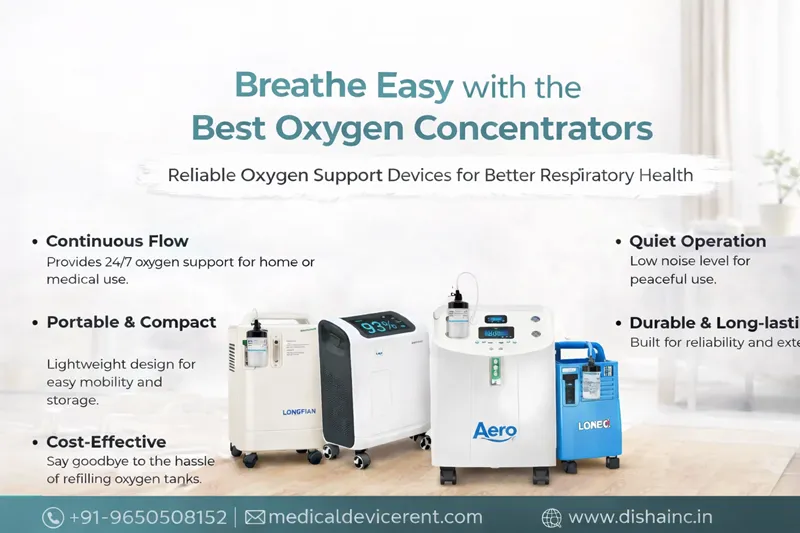
Oxygen concentrators are the most widely used oxygen support
devices for home healthcare today. They extract oxygen from the surrounding
air, remove nitrogen using molecular sieve technology, and deliver concentrated
oxygen to the patient through a nasal cannula or oxygen mask. Unlike oxygen cylinders, which store a limited amount of
compressed oxygen and require frequent refilling, concentrators generate oxygen
continuously as long as they are connected to a power source. This makes them
far safer, more cost-effective, and more practical for long-term home use. Stationary oxygen concentrators typically deliver up to five
liters per minute of continuous oxygen flow and are suitable for most
respiratory conditions. High-flow concentrators deliver up to ten liters per
minute for patients with severe oxygen requirements under medical supervision.
Portable concentrators are lightweight and battery-operated for patients who
need oxygen while traveling or attending outpatient appointments.
Oxygen Cylinders
Oxygen cylinders store compressed medical-grade oxygen and
deliver it through regulators and flow meters. They are commonly used as backup
oxygen sources during power outages or emergencies. However, cylinders have significant disadvantages for
long-term home use. They require frequent refilling, are heavy to move, carry
higher fire and explosion risks, and often become expensive over time due to
recurring refill costs. For most families, cylinders are best used only as emergency
backup systems rather than primary oxygen sources.
Liquid Oxygen Systems
Liquid oxygen systems store oxygen in liquid form at
extremely low temperatures. They offer higher oxygen density and better
portability than cylinders but are expensive, require specialized handling, and
are rarely used in Indian home settings. These systems are typically limited to advanced hospital or
industrial environments and are not practical for most home healthcare needs.
High-Flow Oxygen Devices
High-flow oxygen devices deliver significantly higher oxygen
flow rates than standard concentrators and are used for patients with severe
oxygen requirements under medical supervision. These devices are typically used in home ICU setups and
require professional installation, monitoring, and strict safety protocols.
BiPAP and CPAP Machines
While not direct oxygen sources, BiPAP and CPAP machines
support breathing by providing positive airway pressure. They are often
combined with oxygen therapy for patients with sleep apnea, neuromuscular
disorders, obesity hypoventilation syndrome, and severe respiratory failure. These devices improve airflow mechanics and reduce breathing
effort while oxygen therapy ensures adequate blood oxygen levels.
Comparison of Common Oxygen Support Devices
|
Feature |
Oxygen
Concentrator |
Oxygen
Cylinder |
Liquid
Oxygen |
BiPAP /
CPAP |
|
Oxygen Supply |
Unlimited
with power |
Limited |
Limited |
Not oxygen |
|
Refill
Required |
No |
Yes |
Yes |
No |
|
Safety Risk |
Low |
High |
Moderate |
Low |
|
Portability |
Moderate |
Low |
High |
Moderate |
|
Long-Term
Cost |
Low |
High |
High |
Moderate |
|
Noise Level |
Moderate |
Silent |
Silent |
Moderate |
|
Power
Dependency |
Yes |
No |
No |
Yes |
|
Ideal for
Home Use |
High |
Low |
Low |
High |
|
Maintenance |
Low |
Moderate |
High |
Moderate |
How to Choose the Right Oxygen Support Device for Home
Use
- Choosing the right oxygen support device is one of the most critical decisions a family can make for long-term home healthcare. The wrong device can lead to inadequate oxygen delivery, safety risks, frequent breakdowns, and unnecessary medical emergencies.
- Flow rate requirement is the single most important factor. Most home patients require one to five liters per minute of oxygen, making standard oxygen concentrators the safest and most practical choice. Patients with higher oxygen needs require high-flow devices under strict medical supervision.
- Duration of oxygen therapy matters greatly. For short-term needs, renting an oxygen concentrator or using a cylinder may be more cost-effective. For long-term therapy, owning a concentrator offers better value and greater reliability.
- Mobility needs determine whether a portable concentrator is necessary. Bedridden patients rarely need portable units, while mobile patients benefit greatly from lightweight battery-operated models.
- Power backup availability is essential in regions with frequent power cuts. Families should always arrange a UPS or inverter to ensure uninterrupted oxygen delivery.
- Noise sensitivity matters for nighttime use. Quieter concentrators improve sleep quality and reduce anxiety.
- Service availability and warranty coverage ensure uninterrupted therapy and should never be ignored during purchase decisions.
Safety Guidelines for Home Oxygen Therapy
- Oxygen therapy is extremely safe when used correctly, but improper handling can increase fire risk and medical complications.
- Smoking, candles, incense sticks, gas stoves, and open flames must never be allowed near oxygen devices.
- Oil-based creams, petroleum jelly, and aerosol sprays should be avoided near the patient because they can ignite easily in oxygen-rich environments.
- Electrical heaters and appliances should be kept away from oxygen equipment.
- Oxygen concentrators should never be covered with cloth or placed inside cabinets because this causes overheating and oxygen purity drops.
- Oxygen cylinders must always be stored upright and secured to prevent falling and valve damage.
- Flow rates should never be adjusted without medical guidance because excessive oxygen can suppress breathing in some chronic lung patients.
- Children and pets should be kept away from tubing and machines to prevent accidental disconnection or damage.
Maintaining Oxygen Support Devices at Home
- Proper maintenance ensures consistent oxygen delivery, prevents equipment failure, and protects patient safety.
- Air filters in oxygen concentrators should be cleaned weekly or as advised by the manufacturer to prevent dust buildup and airflow restriction.
- Nasal cannulas and oxygen tubing should be replaced regularly to maintain hygiene and prevent bacterial growth.
- Humidifier bottles should be disinfected frequently to prevent fungal and bacterial contamination.
- Professional servicing should be scheduled every six to twelve months for long-term oxygen therapy setups.
- Backup oxygen sources should be tested periodically to ensure emergency readiness.
- Alarm systems and oxygen purity indicators should be monitored regularly to detect performance issues early.
Cost of Oxygen Support Devices in India
- Oxygen concentrators typically cost between ₹35,000 and ₹80,000 depending on brand, capacity, and warranty.
- Portable concentrators range from ₹80,000 to ₹2,00,000.
- Oxygen cylinders cost ₹5,000 to ₹15,000 but require frequent refill expenses that add up quickly.
- BiPAP and CPAP machines range from ₹30,000 to ₹1,50,000.
- Rental options are widely available for families seeking temporary oxygen support, with monthly charges ranging from ₹2,500 to ₹12,000 depending on device type.
Why Aarogyaa Bharat Recommends Modern Oxygen Support
Devices
- At Aarogyaa Bharat, we believe that home oxygen therapy should be safe, reliable, and stress-free for families.
- We recommend modern oxygen concentrators and respiratory support devices because they offer continuous oxygen supply, lower safety risks, long-term affordability, and superior ease of use compared to traditional oxygen cylinders.
- Our team helps families choose the right device based on medical needs, comfort preferences, home environment, and budget.
- We provide delivery, installation, training, and service support to ensure uninterrupted home oxygen care.
Oxygen support devices for home healthcare are not just medical machines they are life-saving systems that stabilize breathing, prevent emergencies, and dramatically improve daily comfort for millions of patients. By choosing the right device, following strict safety protocols, and maintaining equipment properly, families can manage oxygen therapy at home confidently and compassionately without constant hospital dependence. With modern oxygen support technology and expert guidance from Aarogyaa Bharat, home healthcare becomes safer, more effective, and more empowering for patients and caregivers alike.