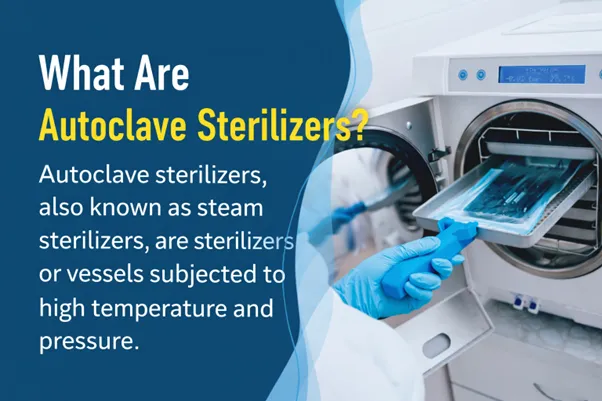
Autoclave sterilizers, also known as steam sterilizers, are
specialized vessels or chambers that use high temperature and pressure to
eliminate bacteria, viruses, fungi, and spores. They are one of the most
reliable and widely used sterilization methods across hospitals, clinics,
laboratories, and research facilities.
What Is an Autoclave Sterilizer?
An autoclave sterilizer is a sealed pressure chamber that
sterilizes equipment using saturated steam under pressure. The combination of
high temperature and pressure destroys microorganisms at the cellular level,
ensuring complete sterilization.
Typically, autoclaves operate at:
- Temperature:
121°C to 134°C
- Pressure:
15–30 psi
- Time:
15 to 60 minutes (depending on the load)
This controlled environment ensures deep and effective
sterilization that cannot be achieved through simple boiling or chemical
cleaning.
Why Are Autoclave Sterilizers So Important?
In medical and laboratory settings, even microscopic
contamination can lead to:
- Infections
- Cross-contamination
- Failed
medical procedures
- Compromised
patient safety
Autoclave sterilizers provide a gold-standard solution to
eliminate these risks reliably and consistently.
How Does an Autoclave Sterilizer Work?
The sterilization process generally follows these steps:
- Loading:
Instruments and materials are placed inside the chamber
- Air
Removal: Air is evacuated to allow steam penetration
- Steam
Injection: Saturated steam fills the chamber
- Pressure
& Heat Build-Up: High temperature and pressure destroy microorganisms
- Holding
Time: Conditions are maintained for a set duration
- Exhaust
& Drying: Steam is released and items are dried
This ensures complete sterilization, even in hard-to-reach
areas.
Types of Autoclave Sterilizers
1. Gravity Displacement Autoclaves
These use gravity to remove air from the chamber as steam
enters. Commonly used for basic medical instruments and dressings.
2. Pre-Vacuum (High Vacuum) Autoclaves
These use vacuum pumps to remove air before steam entry,
allowing deeper penetration. Ideal for complex surgical instruments and wrapped
items.
3. Tabletop Autoclaves
Compact units widely used in:
- Dental
clinics
- Small
hospitals
- Diagnostic
labs
They are space-efficient and easy to operate.
4. Industrial & Large-Capacity Autoclaves
Used in large hospitals, pharmaceutical manufacturing, and
research facilities for bulk sterilization.
Applications of Autoclave Sterilizers
Autoclaves are used across multiple sectors, including:
- Hospitals
and surgical theaters
- Dental
clinics
- Diagnostic
and pathology laboratories
- Pharmaceutical
manufacturing
- Veterinary
clinics
- Research
institutions
They sterilize:
- Surgical
instruments
- Glassware
- Dressings
and linens
- Culture
media
- Medical
waste
Advantages of Autoclave Sterilizers
1. Highly Effective Sterilization
Autoclaves kill even heat-resistant spores, ensuring
complete microbial elimination.
2. Chemical-Free Process
Steam sterilization does not rely on toxic chemicals, making
it safer for staff and the environment.
3. Cost-Effective in the Long Run
Although initial investment may be higher, autoclaves reduce
recurring costs associated with chemical sterilants.
4. Reliable and Standardized
Autoclaves follow globally accepted sterilization standards
used across healthcare systems.
5. Eco-Friendly
Steam sterilization produces minimal waste and avoids
harmful chemical residues.
Safety Measures When Using Autoclave Sterilizers
To ensure safe operation:
- Do
not overload the chamber
- Use
appropriate packaging materials
- Allow
items to cool before handling
- Follow
manufacturer guidelines
- Regularly
maintain and calibrate the unit
Proper training and protocols are essential to avoid
accidents and ensure effective sterilization.
Autoclave Sterilizers vs Other Sterilization Methods
|
Method |
Effectiveness |
Chemical
Use |
Reliability |
|
Autoclave
(Steam) |
Very High |
No |
Excellent |
|
Chemical
Sterilization |
Moderate |
Yes |
Variable |
|
Dry Heat |
High |
No |
Limited |
|
UV
Sterilization |
Low |
No |
Surface-level |
Autoclaves remain the most trusted and widely accepted method.
Conclusion
Autoclave sterilizers are an indispensable part of modern
healthcare and laboratory operations. By using high temperature and pressure,
they provide a safe, reliable, chemical-free, and effective sterilization
solution.
From hospitals and clinics to laboratories and
pharmaceutical units, autoclaves ensure infection control, patient safety, and
compliance with global medical standards. Choosing the right autoclave
sterilizer is not just about equipment it’s about protecting lives and
maintaining trust in healthcare system