Introduction :
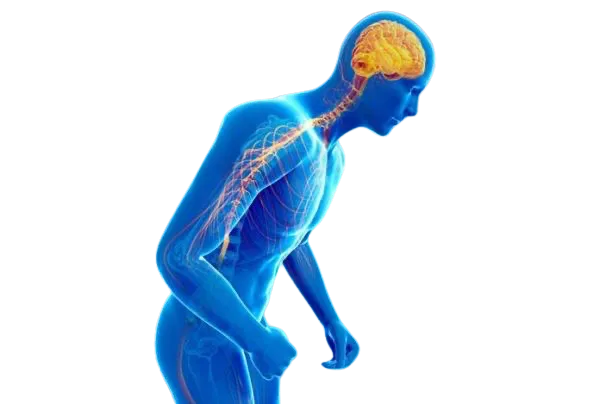
Parkinson’s disease (PD) is a progressive neurological disorder that affects movement. It develops when nerve cells in the brain responsible for producing dopamine start to degenerate, leading to tremors, stiffness, and difficulty in movement. While Parkinson’s disease cannot be cured completely, early diagnosis and proper management can significantly improve a patient’s quality of life.
Common Symptoms of Parkinson’s Disease
Tremors: Shaking hands, arms, or legs, often when at rest.
Muscle Stiffness: Reduced flexibility and rigid muscles.
Slow Movements (Bradykinesia): Difficulty in initiating and completing movements.
Balance Problems: Increased risk of falls.
Changes in Speech: Soft, slurred, or monotone voice.
Facial Expressions: Reduced facial mobility (mask-like face).
Causes and Risk Factors
Although the exact cause of Parkinson’s is unknown, factors include:
Age: Mostly affects people above 60 years.
Genetics: Certain inherited genes may increase risk.
Environmental Triggers: Exposure to toxins and chemicals.
Gender: Men are slightly more likely to develop Parkinson’s.
Treatment Options for Parkinson’s Patients
1. Medications
Levodopa-Carbidopa: Most effective for controlling symptoms.
Dopamine Agonists & MAO-B Inhibitors: Help boost dopamine effects.
2. Physiotherapy & Occupational Therapy
Improves mobility, flexibility, and daily functioning.
3. Speech Therapy
Helps with voice clarity and swallowing difficulties.
4. Deep Brain Stimulation (DBS)
A surgical option for patients with severe symptoms not controlled by medication.
Daily Life Tips for Parkinson’s Patients
Stay Active: Light exercises like walking, yoga, and stretching.
Balanced Diet: Rich in antioxidants, omega-3 fatty acids, and fiber.
Safety at Home: Remove tripping hazards, use grab bars.
Mental Well-being: Join support groups, practice mindfulness.
Regular Check-ups: Early adjustments to treatment plans improve outcomes.
FAQs
Q1: Can Parkinson’s disease be cured?
A: Currently, there’s no cure, but medications and therapies can control symptoms effectively.Q2: Is Parkinson’s disease fatal?
A: Parkinson’s itself isn’t directly fatal, but complications can impact life expectancy if unmanaged.Q3: Can young people get Parkinson’s disease?
A: Yes, though rare, early-onset Parkinson’s can occur before age 50.Q4: How can family members support a Parkinson’s patient?
A: Offer emotional support, assist in daily activities, and encourage regular therapy.Conclusion
Parkinson’s disease can be challenging, but with proper treatment, lifestyle adjustments, and emotional support, patients can lead fulfilling lives. Awareness, early diagnosis, and consistent care play a vital role in managing the condition. Whether you’re a patient or a caregiver, understanding Parkinson’s is the first step towards better health and quality of life.