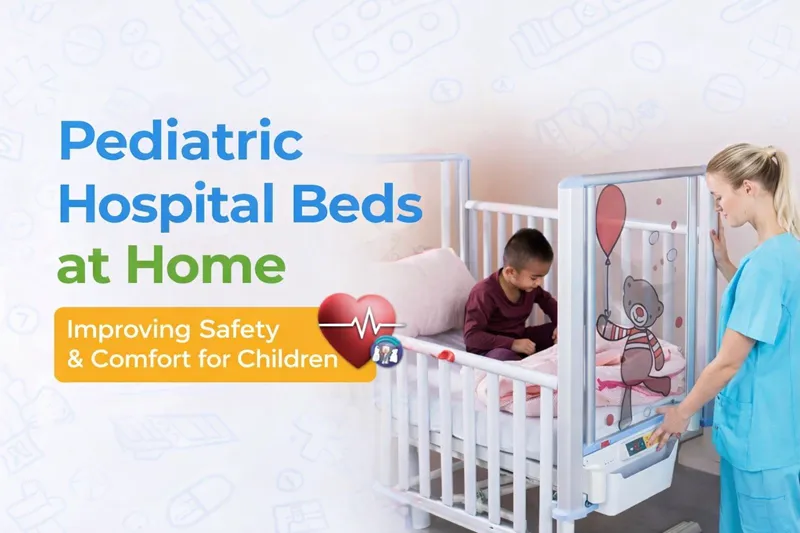
One of the most critical elements of paediatric home care is
choosing the right paediatric hospital bed for home use.
Unlike adult hospital beds, Pediatric hospital beds are
designed around a child’s size, safety, emotional needs, and developmental
stage. The right bed ensures safety, supports treatment, reduces caregiver
stress, and helps the child feel secure and comfortable in a familiar home
environment.
This detailed guide explains why paediatric hospital beds
are essential at home, what features truly matter, how they support recovery
and development, and how Indian families can make informed, practical decisions
for their child’s care.
Understanding Pediatric Home Care Needs
Why Children Require Specialized Hospital Beds
Children are not just “smaller adults.” Their care needs are
unique due to:
- Smaller
body size and lower weight
- Higher
risk of rolling, climbing, or sudden movement
- Emotional
sensitivity and anxiety
- Ongoing
growth and development
- Dependence
on parents or caregivers
A paediatric hospital bed must balance medical functionality
with child safety and emotional comfort.
Common Situations Where Pediatric Hospital Beds Are
Needed at Home
Pediatric hospital beds are commonly recommended for
children with:
- Post-surgical
recovery needs
- Congenital
conditions
- Cerebral
palsy or neuromuscular disorders
- Spinal
injuries or trauma
- Chronic
respiratory illness
- Genetic
or developmental disorders
- Long-term
immobilisation or rehabilitation needs
Search terms such as “paediatric hospital bed at home,”
“hospital bed for child patient,” “child medical bed for home care,” and
“adjustable bed for disabled child” reflect growing awareness among parents.
Why Normal Beds Are Unsafe for Pediatric Medical Care
Standard household beds are not suitable for medically
dependent children.
Key risks include:
- No
fall protection or safety rails
- Incorrect
height for transfers and care
- Poor
posture support
- Difficulty
managing medical equipment
- Increased
risk of injury during movement or sleep
For a child with limited mobility or medical needs, a normal
bed can quickly become unsafe.
How Pediatric Hospital Beds Support Safe Home Care
Pediatric hospital beds are designed to meet both
clinical and child-safety standards, making them ideal for home care.
Child-Safe Side Rails and Enclosures
One of the most important features of paediatric hospital
beds is enhanced safety rails.
They help by:
- Preventing
accidental falls during sleep
- Stopping
unsafe rolling or climbing
- Supporting
safe repositioning
- Providing
psychological reassurance to both child and parents
Unlike adult beds, paediatric rails are designed to avoid
gaps where a child’s limbs could get trapped.
Adjustable Positioning for Comfort and Treatment
Children receiving medical care often need:
- Head
elevation for feeding or breathing
- Leg
elevation for circulation
- Frequent
posture changes
Pediatric hospital beds allow smooth adjustments without
disturbing the child, supporting:
- Better
breathing
- Reduced
reflux
- Improved
comfort
- Easier
caregiving
Height Adjustment for Safer Caregiving and Transfers
Caring for a child involves frequent lifting and transfers.
Height-adjustable paediatric hospital beds:
- Reduce
caregiver back and shoulder strain
- Make
transfers to wheelchair or parent’s arms safer
- Allow
care at an ergonomic height
This is especially important for long-term care.
Supporting Medical Equipment at Home
Children with medical needs may require:
- Oxygen
concentrators
- Feeding
tubes
- Monitoring
devices
- IV
lines or suction equipment
Pediatric hospital beds provide:
- Stable
positioning for equipment
- Better
access for nurses and parents
- Reduced
risk of tube displacement
This ensures safer medical management at home.
Promoting Better Sleep and Emotional Comfort
A child’s emotional state directly affects recovery.
Pediatric hospital beds help by:
- Creating
a secure sleeping environment
- Allowing
parents to stay close
- Reducing
fear of falling or discomfort
- Supporting
familiar bedtime routines
A comfortable, safe bed helps children sleep better essential
for healing and growth.
Supporting Long-Term Care and Development
For children requiring long-term care, hospital beds
support:
- Regular
repositioning to prevent stiffness
- Physiotherapy
and rehabilitation exercises
- Posture
support during play, study, or therapy
This helps maintain physical health and supports
developmental needs.
Types of Pediatric Hospital Beds for Home Use
Manual Pediatric Hospital Beds
- Basic
functionality
- Suitable
for short-term recovery
- Requires
caregiver effort
Semi-Electric Pediatric Hospital Beds
- Electric
head and leg adjustment
- Manual
height control
- Suitable
for moderate care needs
Fully Electric Pediatric Hospital Beds (Highly
Recommended)
- Full
electric adjustment
- Minimal
caregiver effort
- Best
for long-term or complex paediatric care
Safety Considerations Specific to Pediatric Beds
When choosing a paediatric hospital bed, ensure:
- Certified
child-safe side rails
- Smooth
edges and corners
- Secure
locking mechanisms
- Quiet
motor operation
- No
exposed wires or pinch points
Safety should always be the top priority.
Benefits for Parents and Caregivers
Caring for a medically dependent child is physically and
emotionally demanding.
Pediatric hospital beds:
- Reduce
lifting strain
- Improve
care efficiency
- Lower
injury risk
- Provide
peace of mind
This allows parents to focus more on emotional bonding and
support.
Cost vs Value: A Long-Term View
While paediatric hospital beds may seem expensive, they:
- Prevent
injuries and falls
- Reduce
hospital readmissions
- Support
long-term care at home
- Improve
quality of life
Over time, they become a necessary healthcare investment,
not a luxury.
Who Should Strongly Consider Pediatric Hospital Beds at
Home?
Pediatric hospital beds are especially important for:
- Children
with mobility limitations
- Children
requiring long-term medical care
- Post-surgical
paediatric patients
- Children
with neurological or muscular disorders
- Home nursing and palliative paediatric care
Conclusion: Creating a Safe Healing Space for Children at
Home
When a child requires medical care at home, safety, comfort,
and emotional security become inseparable. A paediatric hospital bed at home
provides far more than medical positioning it creates a secure, nurturing
environment where healing and childhood can coexist.
By supporting safe movement, proper posture, medical
treatment, and emotional wellbeing, paediatric hospital beds empower families
to provide hospital-quality care without removing the child from the comfort of
home.
For parents navigating the challenges of paediatric home
care, choosing the right hospital bed is not just a medical decision it is a
commitment to protecting your child’s health, dignity, and happiness every
single day.
Aarogyaa Bharat guides parents on choosing safe and comfortable pediatric hospital beds at home for child recovery, long-term care, and nursing support.