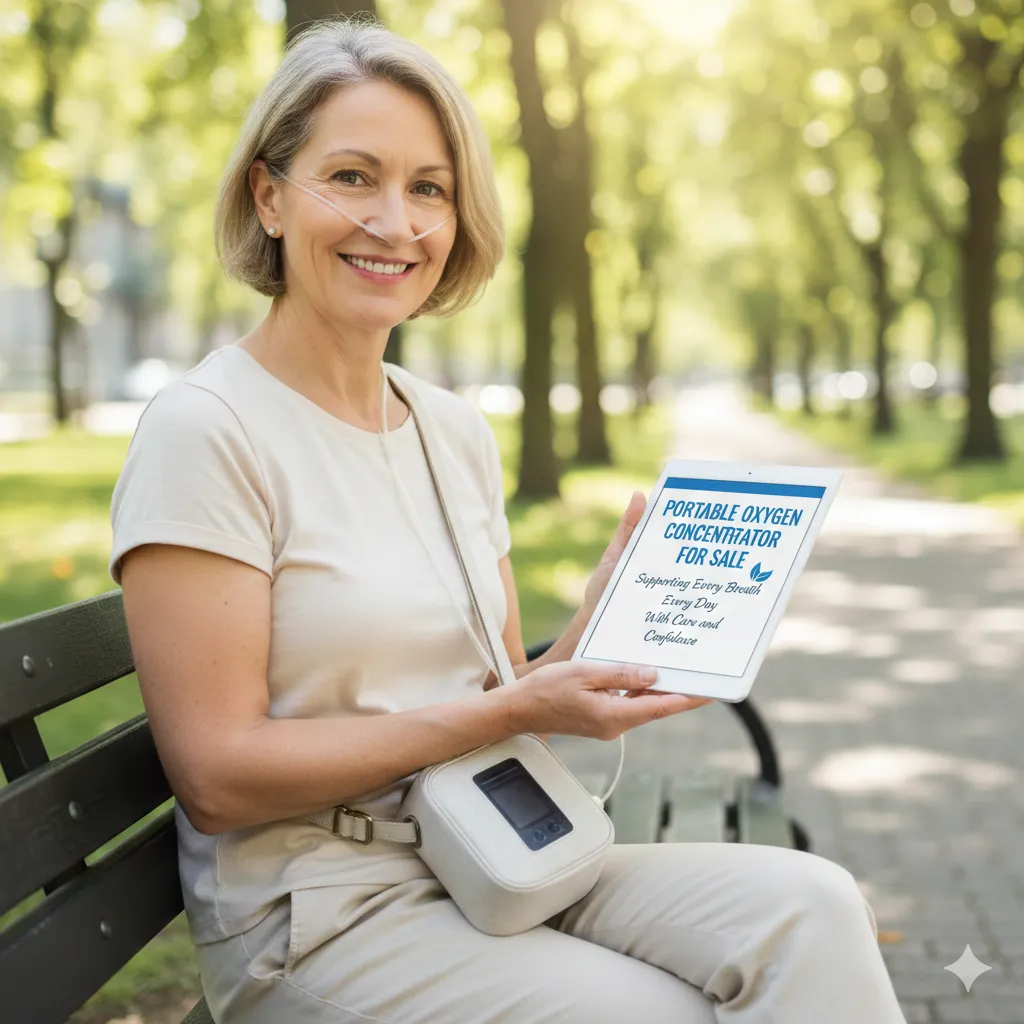
For individuals with respiratory conditions like COPD, asthma, or other lung diseases, oxygen therapy is a crucial part of daily life. However, being tied down by heavy oxygen tanks can restrict mobility and independence. This is where portable oxygen concentrators (POCs) come in-a game-changing medical device that provides oxygen therapy on the go. With a portable oxygen concentrator, patients can travel, run errands, and enjoy outdoor activities while ensuring their oxygen needs are met. But how does it work? When should you use one? Let’s dive in.
What is a Portable Oxygen Concentrator?
A portable oxygen
concentrator is a lightweight, battery-powered medical device that
filters and delivers concentrated oxygen to patients with low blood oxygen
levels. Unlike traditional oxygen cylinders, which store oxygen in limited
amounts, POCs extract oxygen from the surrounding air, ensuring a continuous
supply.
When Do You Need a Portable Oxygen Concentrator?
- Chronic
Respiratory Diseases - Conditions like COPD, pulmonary fibrosis, and
severe asthma.
- Post-Surgical
Recovery - Patients recovering from lung or heart surgery may require
supplemental oxygen.
- Mobility
Concerns - Ideal for those who need oxygen while moving around or
traveling.
- Hypoxia
Prevention - Ensuring oxygen levels stay stable during air travel or
high-altitude trips.
How to Use a Portable Oxygen Concentrator?
Step-by-Step Guide
- Charge
the Battery - Always ensure the device is fully charged before use.
- Attach
the Cannula - Connect the nasal cannula or oxygen mask to the machine.
- Turn
On the Device - Press the power button and select the oxygen flow setting
as per your doctor’s recommendation.
- Breathe
Normally - Place the cannula in your nose and breathe naturally.
- Monitor
Battery Life - Keep an eye on battery levels, especially when traveling.
- Clean
the Filters - Regular maintenance ensures optimal performance.
Key Features to Look for in a Portable Oxygen Concentrator
|
Feature |
Importance |
|
Battery Life |
Ensures extended oxygen supply on the go. |
|
Weight & Portability |
Lightweight and easy to carry. |
|
Oxygen Flow Settings |
Adjustable settings for different oxygen needs. |
|
FAA Approval |
Essential for air travel. |
|
Noise Level |
Should be quiet for comfortable usage. |
|
Durability |
Sturdy design for long-term use. |
How to Carry a Portable Oxygen
Concentrator ?
Most POCs are designed for convenience. Here are some
carrying options:
- Shoulder
Straps - Adjustable straps make carrying easy.
- Backpacks
- Some models come with specially designed backpacks for hands-free use.
- Rolling
Carts - For those who prefer to avoid carrying weight.
Benefits of Using a Portable Oxygen Concentrator
- Freedom
of Movement - No need to stay confined to a single place.
- Compact
& Lightweight - Easy to carry without added strain.
- Travel-Friendly
- Approved models can be used on flights.
- Cost-Effective
- Eliminates the need for frequent oxygen refills.
- Improved
Quality of Life - Allows for social outings and physical activity.
Conclusion
Portable oxygen
concentrator have transformed the way patients receive oxygen therapy,
providing mobility, convenience, and a better quality of life. Whether for
daily use or travel, these devices ensure you never have to compromise on
health and independence. If you're looking for a reliable portable oxygen
concentrator, check out the wide range available at Aarogyaa Bharat.
Don’t let oxygen dependency hold you back-embrace the freedom of a portable oxygen concentrator today!