This is why doctors often recommend oxygen therapy at home after discharge, especially following major surgeries such as cardiac bypass, valve replacement, lung surgery, abdominal surgery, orthopaedic joint replacement, spinal procedures, and prolonged ICU stays. An oxygen concentrator provides a safe, continuous, and cost-effective way to deliver supplemental oxygen during the critical recovery phase without the logistical burden and safety risks of oxygen cylinders.
However, many families feel confused about whether they
truly need an oxygen concentrator after surgery, how long it should be used,
which type is best, how to set it up safely at home, and what warning signs to
monitor. This comprehensive guide by Aarogyaa Bharat explains why oxygen
therapy is important after surgery, how oxygen concentrators work, who needs
them most, how to choose the right machine, step-by-step setup guidance, safety
precautions, caregiver responsibilities, long-term cost considerations, and
recovery planning so that every household can support healing with confidence
and clarity.
Why Oxygen Levels Drop After Surgery
After surgery, it is very common for blood oxygen levels to
fall below normal ranges, even in patients who never had breathing problems
before. Anaesthesia suppresses the respiratory drive and relaxes airway
muscles, which can cause shallow breathing and reduced lung expansion for many
hours or even days after a procedure. Pain medications such as opioids further
slow breathing and reduce oxygen intake, while post-surgical pain makes
patients reluctant to take deep breaths or cough properly, leading to mucus
buildup and partial lung collapse known as atelectasis.
Reduced mobility after surgery worsens this situation
because lying in bed for long periods limits lung expansion and increases the
risk of pneumonia and blood clots. Surgical stress also increases the body’s
metabolic demand for oxygen as tissues repair themselves, wounds close, and
inflammation subsides. In patients with pre-existing COPD, asthma, obesity,
sleep apnea, heart disease, or anemia, this imbalance between oxygen supply and
oxygen demand becomes even more pronounced.
Low oxygen levels after surgery are not just uncomfortable;
they are dangerous. Chronic post-operative hypoxemia can delay wound healing,
increase infection risk, strain the heart, cause confusion and agitation,
worsen fatigue, and raise the risk of serious complications such as pneumonia,
arrhythmias, and stroke. Oxygen therapy directly corrects this imbalance and
plays a critical role in stabilizing recovery.
How an Oxygen Concentrator Supports Post-Surgical
Recovery
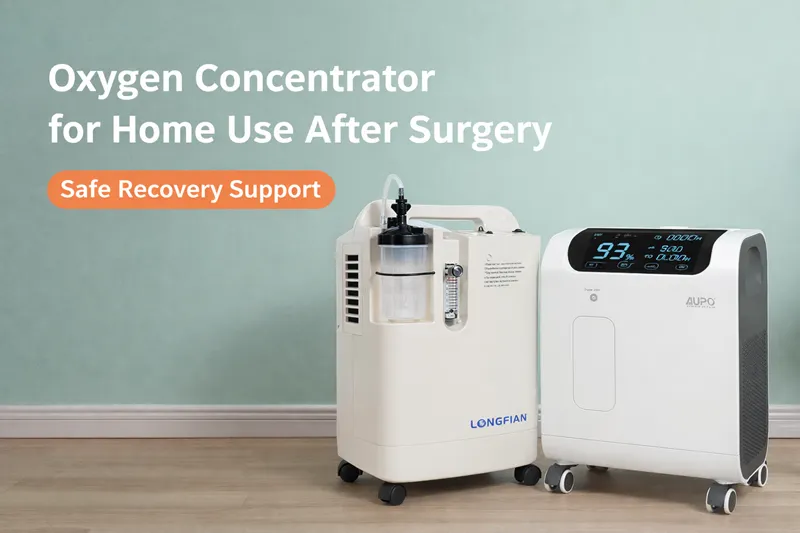
An oxygen concentrator is an electrically powered medical
device that draws in surrounding air, filters out nitrogen using molecular
sieve technology, and delivers concentrated oxygen to the patient through a
nasal cannula or oxygen mask. Unlike oxygen cylinders, which store a limited
amount of compressed gas and require frequent refills, a concentrator generates
oxygen continuously as long as power is available.
For post-surgical patients, this continuous oxygen supply
offers multiple recovery benefits. It maintains stable blood oxygen levels,
reduces breathlessness, improves sleep quality, supports heart and brain
function, and accelerates tissue healing by ensuring that oxygen reaches
damaged surgical sites efficiently. Adequate oxygenation also strengthens
immune response, reducing the risk of post-operative infections and respiratory
complications.
Using an oxygen concentrator at home eliminates the anxiety
of running out of oxygen, reduces caregiver workload, and allows patients to
recover comfortably without repeated hospital visits. For patients discharged
with borderline oxygen saturation levels, a home concentrator acts as a
protective safety net during the most vulnerable phase of recovery.
Who Needs an Oxygen Concentrator After Surgery
Not every surgical patient requires home oxygen therapy, but
certain groups benefit significantly from short-term or extended oxygen support
after discharge. Patients who undergo heart surgery, lung surgery, major
abdominal procedures, orthopaedic joint replacements, spinal surgeries, or
prolonged ICU stays are at higher risk of post-operative hypoxemia. Elderly
patients, smokers, obese individuals, and those with pre-existing respiratory
or cardiac conditions are also more likely to need supplemental oxygen during
recovery.
Patients discharged with oxygen saturation levels below
ninety-two percent, those who experience breathlessness at rest or with minimal
activity, and individuals who require oxygen support in the hospital but are
still dependent on it at discharge are strong candidates for a home oxygen
concentrator. In COVID recovery cases involving lung damage, oxygen therapy may
be required for several weeks or months after surgery to stabilize respiratory
function.
Doctors usually determine the need for post-operative oxygen
therapy based on pulse oximeter readings, arterial blood gas tests, chest
imaging, and clinical symptoms. However, families should not ignore visible
signs of oxygen deficiency such as bluish lips or fingertips, persistent
fatigue, confusion, dizziness, chest discomfort, or rapid breathing, and should
seek medical advice immediately if these symptoms appear.
Types of Oxygen Concentrators for Post-Surgical Home Use
There are two main types of oxygen concentrators used in
home recovery settings, and choosing the right one depends on medical needs,
mobility requirements, and recovery duration.
Stationary Oxygen Concentrators
Stationary oxygen concentrators are designed for continuous;
long-duration use at home and are the preferred choice for post-surgical
patients who require oxygen for many hours per day or overnight. These machines
typically provide continuous flow rates ranging from one to ten liters per
minute and are built for reliability, durability, and quiet operation.
Stationary units are ideal for patients recovering in bed,
sleeping with oxygen support, or requiring stable oxygen delivery throughout
the day. They are more powerful and medically reliable than portable models and
form the foundation of post-operative oxygen therapy at home.
Portable Oxygen Concentrators
Portable oxygen concentrators are smaller, battery-operated
devices designed for mobility and short outings. Most portable units operate in
pulse-dose mode and offer limited oxygen output, making them less suitable as a
primary oxygen source for post-surgical patients with moderate to severe oxygen
needs.
However, portable concentrators can be useful as secondary
devices for short doctor visits, physiotherapy sessions, or travel during
recovery, especially for patients who are gradually regaining mobility.
How to Choose the Right Oxygen Concentrator After Surgery
- Choosing the correct oxygen concentrator requires careful consideration of medical requirements, recovery duration, and home environment factors.
- Flow rate capacity is one of the most important factors. Patients with mild oxygen needs may require one to two liters per minute, while those recovering from major surgery or lung complications may need five liters per minute or more. Choosing a concentrator with higher capacity than current needs provide flexibility as medical conditions change.
- Continuous flow capability is essential for nighttime use and patients with irregular breathing patterns. Pulse-dose-only machines are not suitable for sleep therapy or bedridden patients.
- Noise level matters significantly in recovery environments. Quiet machines below forty-five decibels support better sleep and reduce stress.
- Alarm systems for power failure, overheating, and low oxygen purity improve safety and allow early detection of problems.
- Power backup compatibility is critical in India, where power cuts are common. Choose a concentrator that supports inverter or UPS connection.
- Humidifier compatibility is important for preventing nasal dryness and irritation during prolonged oxygen therapy.
- Service support and spare part availability should always be verified to ensure uninterrupted therapy.
Step-by-Step Guide to Setting Up an Oxygen Concentrator
at Home
- Proper setup is essential for safe and effective post-surgical oxygen therapy. Place the concentrator in a well-ventilated area with at least one foot of clearance on all sides to prevent overheating. Avoid placing it near curtains, heat sources, or direct sunlight.
- Connect the power cable directly to a wall socket or a medical-grade voltage stabilizer. If a humidifier is prescribed, fill it with distilled water and attach it securely to the concentrator outlet.
- Connect medical-grade oxygen tubing and ensure there are no kinks or leaks. Attach the nasal cannula or mask comfortably without excessive tightness.
- Set the prescribed flow rate using the control knob or digital interface and allow the machine to run for a few minutes to stabilize oxygen concentration.
- Monitor oxygen saturation using a pulse oximeter to confirm effective delivery.
Safety Guidelines for Post-Surgical Oxygen Therapy
- Never allow smoking or open flames near oxygen equipment. Keep the concentrator at least five to ten feet away from heat sources such as gas stoves, heaters, and candles.
- Do not use oil-based creams or petroleum jelly on the patient’s face or nose while using oxygen. Use only water-based moisturizers.
- Clean air filters weekly and replace tubing and cannulas regularly to prevent bacterial growth.
- Always keep a backup oxygen cylinder available for power outages or machine failure.
- Never change flow rate settings without medical advice.
- Monitor symptoms daily and contact a doctor immediately if breathlessness worsens or oxygen levels remain low.
Recovery Planning and Duration of Oxygen Use
- The duration of post-surgical oxygen therapy varies widely depending on surgery type, patient age, lung health, and recovery speed. Some patients require oxygen support for only a few days, while others may need it for several weeks or months.
- Doctors usually reassess oxygen needs using pulse oximeter readings and clinical symptoms during follow-up visits. Oxygen therapy is gradually reduced as lung function improves and oxygen saturation stabilizes.
- Families should avoid stopping oxygen therapy abruptly without medical advice, even if the patient appears to feel better, because hidden hypoxemia can persist without obvious symptoms.
Oxygen Cylinder vs Oxygen Concentrator for Post-Surgical
Use
|
Feature |
Oxygen
Cylinder |
Oxygen
Concentrator |
|
Oxygen Supply |
Limited, runs
out |
Unlimited
with power |
|
Refill
Requirement |
Frequent |
None |
|
Long-Term
Cost |
High |
Lower |
|
Safety Risk |
High pressure
gas |
Low |
|
Ease of Use |
Moderate |
Easy |
|
Emergency
Readiness |
Moderate |
High (with
backup) |
|
Caregiver
Stress |
High |
Low |
|
Power
Dependency |
No |
Yes |
Why Aarogyaa Bharat Recommends Oxygen Concentrators After
Surgery
At Aarogyaa Bharat, we focus on real-world recovery needs
rather than just technical specifications. We recommend oxygen concentrators
for most post-surgical patients because they offer superior safety, lower
long-term cost, easier daily management, and uninterrupted therapy.
We help families choose concentrators based on surgery type,
oxygen flow requirements, home environment, power backup needs, and recovery
planning. Our goal is to ensure comfort, dignity, and peace of mind during the
critical healing phase.
Conclusion
An oxygen concentrator for home use after surgery is not
just a device; it is a recovery partner that supports healing, reduces
complications, and stabilizes respiratory function during the most vulnerable
phase of post-operative care. The right concentrator can prevent hospital
readmissions, improve sleep quality, accelerate wound healing, and dramatically
enhance overall recovery outcomes.
Choosing a medically appropriate, reliable, and future-ready
concentrator is one of the most important decisions a family can make for a
recovering patient.
With expert guidance, proper setup, and consistent safety practices, post-surgical oxygen therapy can be safe, effective, and stress-free.