A good night's sleep is essential for maintaining overall
health, yet millions of people unknowingly struggle with interrupted breathing
while they sleep. One of the most common causes is sleep apnea, a
serious sleep disorder that repeatedly stops and starts breathing throughout
the night. Left untreated, it can lead to excessive daytime fatigue, poor
concentration, high blood pressure, heart disease, stroke, diabetes, and other
long-term health complications.
Fortunately, modern respiratory care has made managing sleep
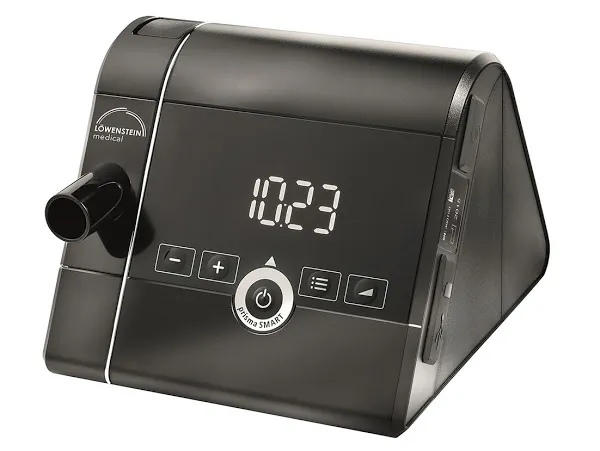
apnea easier than ever. Lowenstein CPAP and BiPAP machines are trusted
worldwide for delivering advanced, comfortable, and reliable sleep therapy.
Designed with innovative German engineering, these devices provide continuous
or bi-level positive airway pressure to keep the airways open, helping users
breathe normally throughout the night.
Whether you have recently been diagnosed with obstructive
sleep apnea (OSA) or are exploring treatment options for chronic respiratory
conditions, understanding how CPAP and BiPAP therapy works can help you make
informed decisions for better health and improved sleep.
What Is Sleep Apnea?
Sleep apnea is a condition in which breathing repeatedly
stops and starts during sleep. These pauses may last from a few seconds to over
a minute and can occur dozens or even hundreds of times each night.
The most common type is Obstructive Sleep Apnea (OSA),
which occurs when the muscles in the throat relax excessively, temporarily
blocking the airway.
Another type is Central Sleep Apnea, where the brain
fails to send proper signals to the muscles responsible for breathing.
Some patients may experience a combination of both forms.
Without treatment, sleep apnea prevents the body from
receiving adequate oxygen, reducing sleep quality and increasing the risk of
serious health problems.
Common Symptoms of Sleep Apnea
Many individuals remain unaware that they have sleep apnea
until a family member notices symptoms.
Common signs include:
- Loud
snoring
- Gasping
for air during sleep
- Pauses
in breathing
- Morning
headaches
- Excessive
daytime sleepiness
- Difficulty
concentrating
- Dry
mouth after waking
- Irritability
- Poor
memory
- Restless
sleep
If these symptoms occur regularly, medical evaluation and a
sleep study are recommended.
Understanding CPAP Therapy
CPAP (Continuous Positive Airway Pressure) delivers a
constant stream of pressurized air through a mask.
This steady airflow prevents the airway from collapsing
during sleep, allowing uninterrupted breathing throughout the night.
CPAP therapy is considered the gold standard treatment for Obstructive
Sleep Apnea.
With regular use, patients often experience better sleep
quality, reduced snoring, increased energy levels, and improved overall health.
What Is a BiPAP Machine?
BiPAP (Bi-Level Positive Airway Pressure) provides
two different pressure levels:
A higher pressure during inhalation.
A lower pressure during exhalation.
This makes breathing more comfortable for patients who
require additional respiratory support.
BiPAP therapy is commonly recommended for individuals with:
Severe sleep apnea
COPD
Neuromuscular disorders
Obesity hypoventilation syndrome
Respiratory muscle weakness
Certain chronic lung diseases
Why Choose Lowenstein CPAP & BiPAP Machines?
Lowenstein is recognized internationally for producing
high-quality respiratory therapy equipment.
Its CPAP and BiPAP devices are designed to maximize patient
comfort while ensuring effective therapy.
Key advantages include:
Quiet operation
Advanced pressure adjustment
Automatic therapy optimization
Humidification compatibility
User-friendly controls
Comfortable breathing support
Reliable German engineering
Data monitoring features
Portable design
Long-lasting performance
These features improve treatment adherence and patient
comfort.
Benefits of CPAP and BiPAP Therapy
Consistent therapy offers numerous health benefits.
Patients often experience:
Improved sleep quality
Reduced snoring
Better oxygen levels
Increased daytime energy
Improved concentration
Reduced blood pressure
Better heart health
Lower risk of stroke
Improved mood
Enhanced quality of life
Many users notice significant improvements within the first
few weeks of regular therapy.
Who Needs CPAP or BiPAP Therapy?
Sleep specialists may recommend CPAP or BiPAP therapy for:
Obstructive Sleep Apnea
Central Sleep Apnea
COPD
Obesity hypoventilation syndrome
Neuromuscular disorders
Respiratory insufficiency
Post-hospital respiratory care
Long-term oxygen therapy support (when prescribed)
A sleep study helps determine the most appropriate therapy.
CPAP vs BiPAP: Understanding the Difference
Although both devices support breathing, they serve
different medical needs.
CPAP delivers one continuous pressure level and is commonly
used for obstructive sleep apnea.
BiPAP provides separate inhalation and exhalation pressures,
making breathing easier for patients with more complex respiratory conditions.
Your physician will determine the appropriate device based
on your diagnosis and breathing requirements.
Tips for Successful CPAP & BiPAP Therapy
Consistency is essential.
Use the device every night.
Clean the mask regularly.
Replace filters as recommended.
Ensure proper mask fitting.
Keep the humidifier clean.
Follow prescribed pressure settings.
Schedule routine follow-up appointments.
Small adjustments often improve comfort significantly.
Common Mistakes to Avoid
Avoid these common therapy mistakes:
Skipping therapy
Loose mask fitting
Ignoring equipment maintenance
Changing pressure settings without medical advice
Using damaged tubing
Poor cleaning practices
Delaying filter replacement
These mistakes can reduce therapy effectiveness.
Cleaning and Maintaining Your Device
Proper maintenance ensures hygiene and optimal performance.
Clean the mask daily.
Wash tubing weekly.
Replace disposable filters regularly.
Keep the humidifier chamber clean.
Store the machine in a dry, dust-free area.
Follow the manufacturer's maintenance schedule.
Well-maintained equipment lasts longer and performs better.
Lifestyle Changes That Improve Sleep Apnea
Medical therapy works best alongside healthy lifestyle
habits.
Maintain a healthy body weight.
Exercise regularly.
Avoid smoking.
Reduce alcohol intake before bedtime.
Sleep on your side when possible.
Maintain a regular sleep schedule.
Control diabetes and blood pressure.
Healthy habits complement CPAP and BiPAP therapy.
Home Respiratory Care Made Easier
Managing sleep apnea at home has become easier with modern
respiratory devices.
In addition to CPAP and BiPAP machines, patients may benefit
from:
Pulse oximeters
Oxygen concentrators
Nebulizers
Respiratory masks
Humidifiers
Airway accessories
Home monitoring devices
Aarogyaa Bharat offers trusted respiratory care products and
home healthcare solutions that support safer, more comfortable, and more
effective long-term treatment.
Why Choose Aarogyaa Bharat?
Choosing the right healthcare partner is just as important
as selecting the right medical device.
Aarogyaa Bharat offers:
Trusted respiratory care products
Authentic Lowenstein CPAP & BiPAP machines
Expert product guidance
Reliable customer support
Home healthcare solutions
Quality medical equipment
Patient-focused service
Our goal is to help patients breathe better, sleep better,
and live healthier lives.
Conclusion
Sleep apnea is a serious condition, but it can be
effectively managed with the right diagnosis, treatment, and lifestyle changes.
Lowenstein CPAP and BiPAP machines provide advanced respiratory support
that improves breathing, reduces sleep interruptions, and enhances overall
quality of life. By using your therapy consistently and maintaining your
equipment properly, you can experience better sleep, improved energy, and
long-term health benefits.
Whether you're beginning sleep apnea treatment or upgrading your respiratory care equipment, Aarogyaa Bharat offers trusted home healthcare solutions to help you breathe easier every night.