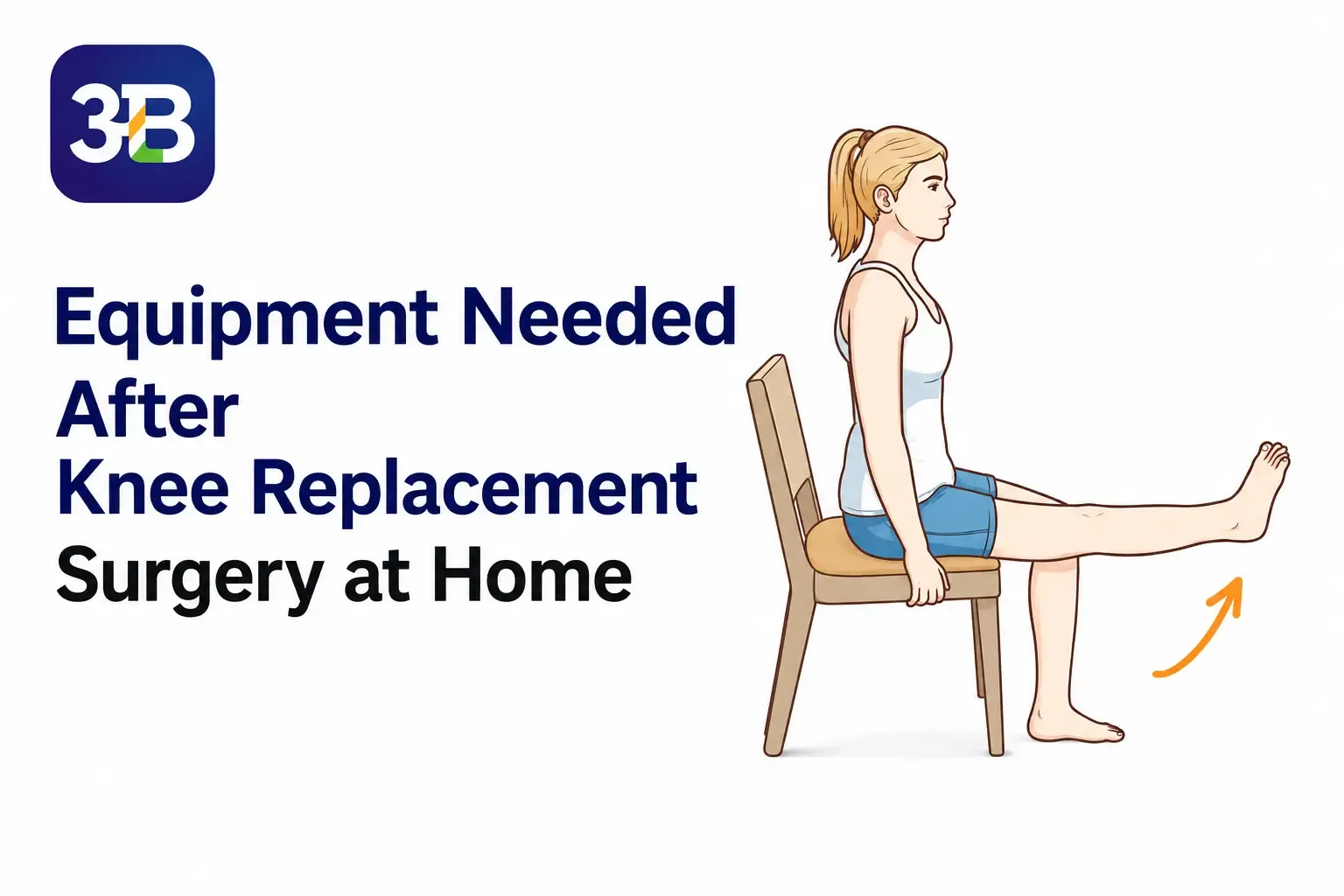
Why Home Preparation Is Critical After Knee Replacement
After knee replacement surgery,
you will be discharged from the hospital within 3-5 days in most cases. Your
knee will be swollen, stiff, and painful, and you will have limited mobility
for several weeks. Having the right equipment set up at home BEFORE you return
ensures:
●
Faster and safer
mobilization
●
Prevention of falls and
accidents
●
Better pain management
●
Reduced strain on
caregivers
●
Faster return to daily
activities
Essential Equipment List After Knee Replacement Surgery
1. Hospital Bed or Adjustable Bed
Getting in and out of a regular
bed after knee replacement can be extremely difficult and painful. An
adjustable hospital bed allows you to raise the head section and the height of
the bed, making transfers far safer and easier. Look for a bed with a trapeze
bar attached so you can pull yourself up without putting strain on your new
knee.
2. Walker (Zimmer Frame)
A walker is the most essential
mobility aid immediately after knee replacement. Your physiotherapist will
prescribe the right type:
●
Standard Walker:
Four-legged, non-wheeled. Most stable for early post-op use.
●
Wheeled Walker
(Rollator): Has two or four wheels. Easier to move but requires better balance.
●
Knee Walker (Knee
Scooter): Sometimes used when one knee is operated on and the other is healthy.
3. Raised Toilet Seat
One of the biggest challenges
after knee replacement is using the toilet. A raised toilet seat adds 10-15 cm
of height to your existing toilet, reducing the bend required at the knee and
making sitting down and standing up much safer and less painful. Look for
models with grab handles for additional support.
4. Commode Chair or Commode Wheelchair
If your bathroom is not
accessible or you cannot make it there safely in the early post-operative days,
a commode chair next to the bed is indispensable. A commode wheelchair also
allows you to be transported to the bathroom when ready.
5. Grab Bars and Handrails
Install grab bars in the
bathroom (next to the toilet and in the shower or bathtub area) and handrails
along corridors and stairs. These are among the most important safety
installations you can make before returning home from the hospital.
6. Shower Chair or Bath Bench
Standing in the shower is not
safe or practical in the early weeks after knee replacement. A shower chair or
transfer bench allows you to bathe safely in a seated position. Look for:
●
Non-slip rubber feet
●
Weight capacity that
exceeds the patient's weight
●
Adjustable height
●
Rust-resistant aluminium
frame
7. Knee Ice Pack or Cold Therapy Device
Ice therapy is one of the most
effective ways to manage swelling and pain after knee replacement. Options
include:
●
Reusable gel ice packs:
Affordable and widely available
●
Cold therapy machines
(cryo cuff): Continuously circulate cold water around the knee for sustained
cooling highly effective but more expensive
Apply cold therapy for 15-20
minutes every 2-3 hours, particularly in the first 2-3 weeks after surgery.
8. Leg Elevation Pillow
Keeping the operated leg
elevated reduces swelling and improves circulation. A dedicated leg elevation
wedge pillow is far more effective than stacking regular pillows. Look for a
wedge with a comfortable incline of 30-45 degrees.
9. Reaching Aid / Grabber
Bending down to pick up dropped
items is impossible in the early post-op period. A long reaching aid or grabber
extends your reach to floor level without bending, helping you remain
independent in daily tasks.
10. Dressing Aids
Getting dressed particularly
putting on socks, shoes, and pants requires significant knee bending. Dressing
aids include:
●
Long-handled shoe horn
●
Sock aid
●
Elastic shoe laces
11. Bed Rail or Bed Support
A portable bed rail attaches to
any standard bed, giving you a sturdy handle to push against when getting up.
This is especially useful if you are not renting a full hospital bed.
12. Cane or Walking Stick
Once you transition off the
walker (usually after 4-6 weeks), a cane provides additional balance support
during the intermediate recovery phase. An adjustable forearm crutch or
standard cane works well.
Recovery Equipment Timeline
|
Recovery Phase |
Duration |
Key Equipment Needed |
|
Immediate post-op |
Days 1-7 |
Hospital bed, walker,
commode, ice pack, leg pillow |
|
Early Recovery |
Weeks 2-4 |
Walker, raised toilet seat,
shower chair, grabber |
|
Intermediate |
Weeks 4-8 |
Cane, shower chair, grab
bars, ice pack |
|
Late Recovery |
Weeks 8-12+ |
Cane, stationary bike
(optional), physiotherapy aids |
Home Modifications to Make Before Surgery
1. Remove all loose rugs and
floor mats that could cause trips and falls.
2. Rearrange furniture to
create clear, wide pathways for walker use.
3. Move frequently used items
to waist height to avoid bending.
4. Set up a recovery station
on the ground floor if possible avoid stairs.
5. Install grab bars in the
bathroom and along stairways.
6. Ensure good lighting throughout the home, especially in corridors and stairs.
Conclusion
A successful knee replacement
recovery is not just about the surgery it is about the environment you recover
in. Having the right equipment at home before you are discharged from the
hospital can make the difference between a smooth, comfortable recovery and a
painful, challenging one. From adjustable hospital beds and walkers to ice
therapy devices and raised toilet seats, each piece of equipment serves a
specific and important purpose in your healing journey.
Why Choose Aarogyaa Bharat?
When it comes to reliable,
affordable, and high-quality medical equipment, Aarogyaa Bharat is your trusted
partner. Whether you are searching for hospital-grade devices for home use or
looking to rent medical equipment for recovery, Aarogyaa Bharat offers an
extensive range of products with expert guidance.
Visit us today at
https://aarogyaabharat.com/ and explore hundreds of certified medical devices,
compare prices, read expert reviews, and place your order with complete
confidence. Our team of healthcare professionals is always ready to help you
make the right choice for your health and well-being.