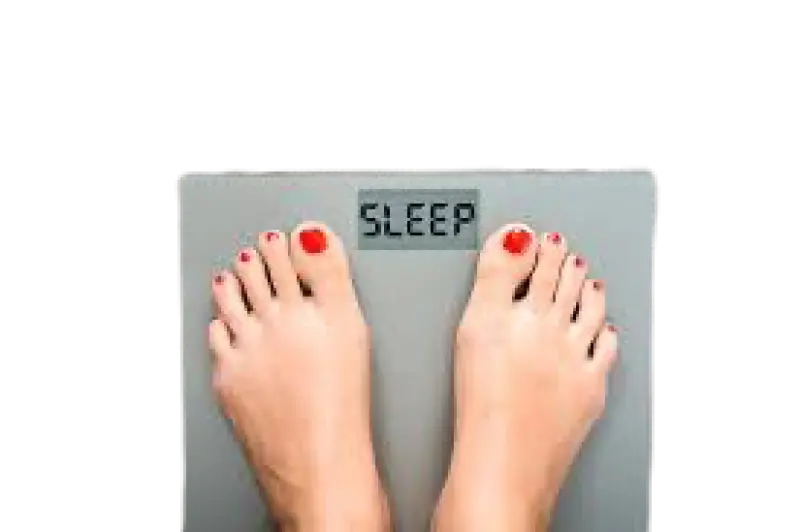
Why Sleep Might Be the Missing Link in Your Weight Loss Journey
If you’re exercising, eating right, and still not losing weight—don’t blame your metabolism just yet. There might be something else sabotaging your results: poor sleep.
Yes, sleep. Studies show that sleep isn’t just for rest and recovery—it plays a critical role in fat loss, hormone balance, appetite control, and metabolism. If you’re not sleeping well or enough, your body may be storing fat instead of burning it.
In this article, we’ll explore the science behind sleep and weight loss, how poor sleep leads to weight gain, and what you can do to fix it.
Can Lack of Sleep Cause Weight Gain?
Yes. Sleep deprivation can directly affect your weight in multiple ways.
1. It Disrupts Hunger Hormones
When you don’t sleep enough, the levels of ghrelin (the hunger hormone) increase, while leptin (the fullness hormone) decreases. This hormonal imbalance leads to overeating, frequent snacking, and increased cravings—especially for junk food.
2. It Slows Down Your Metabolism
Sleep plays a role in regulating your resting metabolic rate. Poor sleep lowers your body’s ability to burn calories efficiently, which means fewer calories burned at rest.
3. It Affects Insulin Sensitivity
A lack of sleep reduces insulin sensitivity. This can lead to higher blood sugar levels, increased fat storage, and greater risk of obesity and type 2 diabetes.
4. You’re Less Likely to Exercise
It’s simple. When you’re tired, you’re less motivated to work out. This lowers your daily calorie expenditure and leads to sedentary habits.
Does Sleep Help You Lose Weight?
Yes, but not directly. Sleep helps create the hormonal and physiological environment that supports healthy weight loss. When your body is well-rested:
Your appetite stays in check
Your metabolism functions efficiently
You have more energy to exercise
Your body burns fat more effectively
SEO keyword: can sleep help with weight loss
How Much Sleep Do You Need to Lose Weight?
Most adults need 7 to 9 hours of quality sleep per night to support healthy metabolism and weight management. It’s not just about duration—sleep quality matters too. Deep sleep and REM sleep are essential for muscle recovery, fat burning, and hormone regulation.
SEO keyword: how many hours of sleep for weight loss
Best Sleep Habits to Support Weight Loss
If you're serious about improving both sleep and weight loss, consider these changes:
1. Maintain a Regular Sleep Schedule
Go to bed and wake up at the same time every day—even on weekends. This helps regulate your internal clock and improves overall sleep quality.
SEO keyword: consistent sleep schedule for weight loss
2. Avoid Caffeine and Heavy Meals Before Bed
Stimulants like coffee and heavy, spicy food can disrupt your sleep. Try to stop eating at least 2–3 hours before bedtime.
SEO keyword: foods that disturb sleep
3. Create a Sleep-Friendly Environment
Make your bedroom cool, dark, and quiet. Use sleep-supporting tools like eye masks, blackout curtains, and white noise machines if needed.
SEO keyword: how to improve sleep quality naturally
4. Limit Screen Time at Night
Blue light from phones, TVs, and laptops interferes with melatonin production, delaying sleep and shortening your deep sleep cycles.
SEO keyword: screen time and sleep disruption
5. Practice Relaxation Techniques
Mindful breathing, meditation, or light yoga can lower stress levels and help you fall asleep faster. High cortisol levels (stress hormone) are linked to belly fat retention and sleep disruption.
SEO keyword: reduce stress for better sleep and weight control
Supplements That May Support Better Sleep and Metabolism
Some natural supplements have shown promise in improving sleep quality and metabolic health. Always consult a doctor before use.
Melatonin: Helps regulate sleep-wake cycles
Magnesium: Aids in relaxation and reduces muscle cramps
Ashwagandha: Supports stress reduction and hormonal balance
Vitamin D: Linked to better sleep and mood regulation
Aarogyaa Bharat offers doctor-approved, lab-tested wellness supplements to help you sleep better and burn fat more efficiently.
SEO keyword: best supplements for sleep and fat loss
Final Takeaway: Sleep and Weight Loss Go Hand in Hand
You can count calories, run miles, and lift weights—but without proper sleep, you’re working against your own biology. Prioritizing high-quality sleep can amplify your fat loss efforts, stabilize hunger hormones, and give you the energy needed to stay consistent.
Don’t let poor sleep steal your results. Take small steps to improve your sleep hygiene and make rest a non-negotiable part of your fitness routine.
Visit aarogyaabharat.com for expert wellness products, tips, and support to help you stay healthy inside and out.