A New Era of Healthcare Transformation
India is witnessing one of the most important
transformations in its healthcare history. For decades, healthcare access
depended heavily on physical hospitals, long waiting times, and geographical
limitations. But now, a new system is emerging digital healthcare. This shift
is not just about technology; it is about changing how people experience
healthcare in their daily lives. From consulting doctors online to receiving
medical care at home, healthcare is becoming more connected, more efficient,
and more patient-centered. Digital healthcare is helping bridge the gap between
patients and doctors, especially in a country where millions still struggle
with accessibility. It represents a future where healthcare is no longer
limited by distance, time, or infrastructure.
Telemedicine: Healthcare Without Distance Barriers
Telemedicine has become one of the strongest pillars of
digital healthcare in India. It allows patients to consult doctors through
mobile phones, computers, or digital platforms without physically visiting
hospitals. This is especially important for people living in rural areas, small
towns, or regions where specialist doctors are not easily available.
Telemedicine reduces travel time, lowers consultation costs, and ensures faster
medical attention. It also helps in routine follow-ups, chronic disease management,
and preventive consultations. During emergencies or mobility challenges,
telemedicine provides immediate access to healthcare professionals. This
technology is not replacing hospitals but making healthcare more flexible,
accessible, and efficient for everyone.
Artificial Intelligence in Healthcare
Artificial intelligence is rapidly changing the way
healthcare is delivered in India. AI systems are helping doctors analyze
medical data, detect diseases earlier, and improve diagnostic accuracy. From
reading medical scans to predicting health risks, AI is becoming a powerful
support tool for healthcare professionals. Hospitals are using AI for patient
scheduling, record management, and clinical decision support systems. In
diagnostic labs, AI helps reduce errors and speeds up test results. For patients,
AI can provide early warnings about potential health conditions based on
symptoms and health data. While AI cannot replace human doctors, it enhances
their ability to provide faster and more accurate treatment, improving overall
healthcare quality.
Home Healthcare: Care Beyond Hospitals
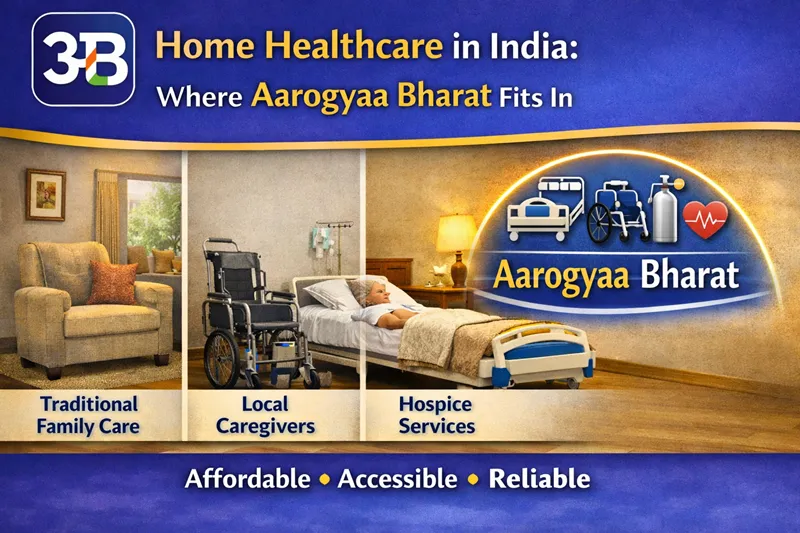
Home healthcare is becoming an essential part of India’s
healthcare ecosystem. Many patients today prefer receiving treatment and
recovery support at home rather than staying in hospitals for long periods.
Services like nursing care, physiotherapy, oxygen therapy, elderly care, and
patient monitoring are now available at home through digital platforms. This
not only improves patient comfort but also reduces hospital overcrowding. Home
healthcare is especially beneficial for elderly patients, post-surgery recovery
cases, and individuals with chronic illnesses. With the help of digital tools
and connected devices, doctors and caregivers can monitor patients remotely and
ensure continuous care. This shift is making healthcare more personal,
comfortable, and family-centred.
Medical Equipment Rentals and Accessibility
One of the most impactful developments in digital healthcare
is the rise of medical equipment rental services. Many families cannot afford
to purchase expensive medical devices such as oxygen concentrators, hospital
beds, or mobility aids. Rental services solve this problem by making equipment
available at affordable monthly costs. Through digital platforms, patients can
easily book, receive, and return equipment without hassle. This model ensures
that healthcare support is available when needed without creating long-term
financial pressure. It also improves access in smaller cities and rural areas
where purchasing options may be limited. Medical rentals are making healthcare
more practical, flexible, and inclusive for every family.
Digital Diagnostics: Faster and Smarter Testing
Diagnostics is one of the most important parts of
healthcare, and digital transformation has significantly improved this sector.
Today, patients can book lab tests online, receive home sample collection
services, and access reports digitally within hours. Advanced diagnostic
systems powered by technology ensure faster and more accurate results. This
reduces delays in treatment and helps doctors make quicker decisions. Digital
diagnostics also improve preventive healthcare by encouraging regular health checkups
and early disease detection. With better accessibility and faster reporting,
diagnostics is becoming more patient-friendly and efficient across India.
The Role of Mobile Health Applications
Mobile health applications are becoming an everyday tool for
healthcare management. These apps allow patients to track their health,
schedule appointments, consult doctors, and store medical records digitally.
They also provide reminders for medication, health tips, and personalized care
suggestions. For chronic disease patients, mobile apps help in continuous
monitoring and better disease management. These applications are making
healthcare more organized and accessible from anywhere. As smartphone usage continues
to grow in India, mobile health platforms are playing a major role in
connecting patients with healthcare services.
Making Healthcare Accessible in Rural India
One of the biggest advantages of digital healthcare is its
ability to reach rural and remote areas. In many villages, access to hospitals
and specialist doctors is limited. Digital healthcare solutions such as
telemedicine, mobile clinics, and remote monitoring systems are helping bridge
this gap. Patients can now receive medical advice without traveling long
distances. This is especially important in emergency situations or for elderly
patients. Digital healthcare is also improving awareness about preventive care,
hygiene, and disease management in rural communities. It is gradually creating
a more equal healthcare system across India.
Cost Reduction and Healthcare Efficiency
Digital healthcare is also helping reduce overall healthcare
costs for patients and providers. Online consultations eliminate travel
expenses and reduce waiting times. Digital records reduce paperwork and
administrative costs in hospitals. Remote monitoring helps avoid unnecessary
hospital visits. Together, these improvements make healthcare more efficient
and affordable. For families, this means better care at lower costs. For
healthcare providers, it means improved resource management and better patient
outcomes.
Challenges in Digital Healthcare Adoption
While digital healthcare is growing rapidly, it still faces
challenges in India. Limited internet connectivity in some regions, lack of
digital literacy, and resistance to technology adoption are key barriers. Some
patients also prefer traditional in-person consultations due to trust concerns.
Data privacy and security are additional concerns in digital systems. However,
with increasing awareness, government support, and technological improvements,
these challenges are gradually being addressed. The future of healthcare
depends on overcoming these barriers and building a more connected system.
The Future of Digital Healthcare in India
The future of healthcare in India is deeply connected to
digital transformation. Over the next decade, we will see more integration of
AI, telemedicine, home healthcare, and smart diagnostic systems. Healthcare
will become more predictive, preventive, and personalized. Patients will have
greater control over their health data and treatment options. Hospitals will
become more connected through digital ecosystems. This transformation will make
healthcare more accessible, efficient, and patient-focused. India is moving
toward a future where healthcare is not just a service but a seamless digital
experience.
Conclusion
The rise of digital healthcare in India is reshaping the entire healthcare landscape. It is breaking barriers of distance, cost, and accessibility through telemedicine, AI, home healthcare, rentals, and digital diagnostics. This transformation is making healthcare more inclusive and efficient for millions of people. While challenges still exist, the direction is clear India is moving toward a smarter, more connected healthcare system. Digital healthcare is not just the future; it is becoming the present reality that is improving lives every day.