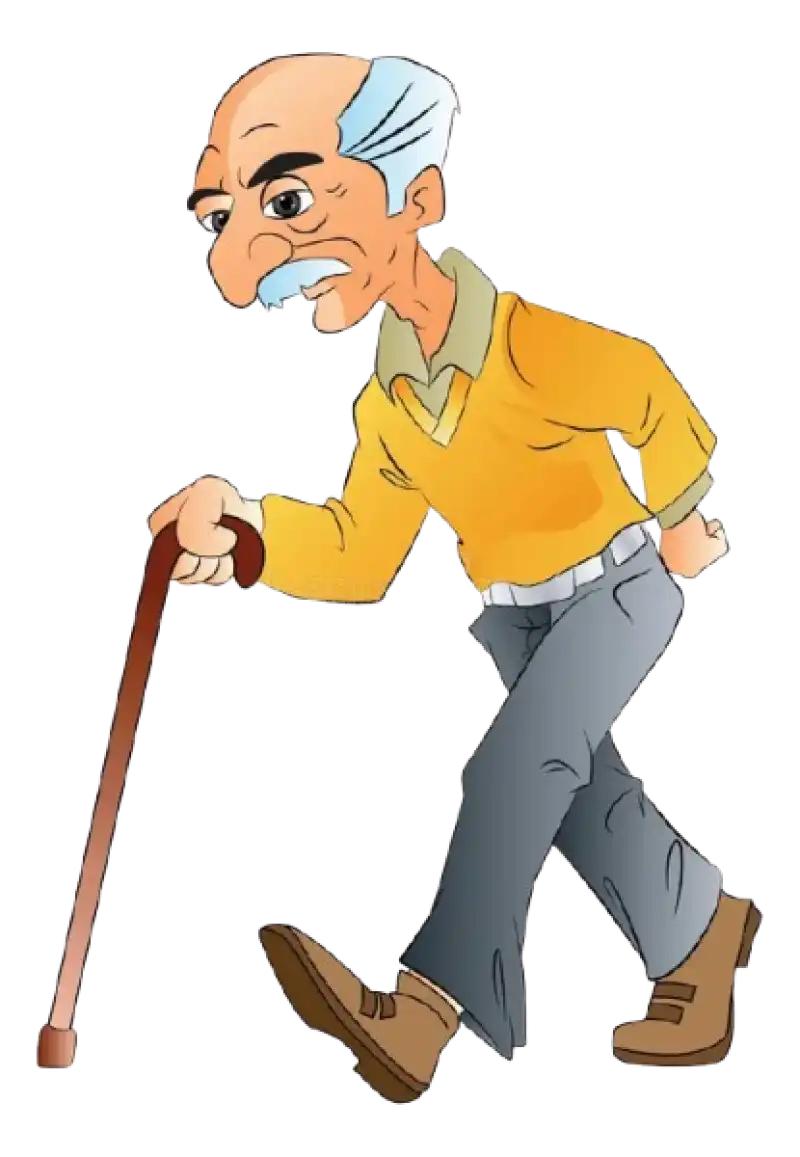
Most people see a walking stick as a simple mobility aid something you hold for balance or support while walking. But in reality, a walking stick is one of the most underrated multi-purpose tools you can own. Long before modern gadgets existed, people relied on sticks for survival, protection, navigation, and even creativity. From seniors using medical walking sticks to trekkers carrying carbon-fiber poles, this one tool quietly adapts to countless situations.
If you’ve ever wondered whether your walking stick could do more than help you walk, the answer is a big yes. Let’s explore the deeper, lesser-known ways a walking stick can support daily life, outdoor adventures, emergencies, fitness, and even self-expression.
A Reliable Partner for Outdoor Adventures
A walking stick truly shines outdoors. On hiking trails, it provides stability on rocky paths, muddy slopes, or forest terrain. By distributing body weight, it reduces pressure on knees and ankles, especially during downhill walks. For long treks, trekking poles improve endurance and help maintain posture, making them valuable for both beginners and experienced hikers.
Beyond balance, a walking stick becomes an exploration tool. You can test loose soil, check slippery rocks, or gently move foliage aside without using your hands. In unfamiliar terrain, this simple habit can prevent falls and injuries.
A Practical Measuring and Estimation Tool
In situations where tools aren’t available, a walking stick works as a quick measuring guide. Most sticks range between 3 and 4 feet in length, allowing you to estimate heights, distances, or water depth. Campers often use sticks to judge river depth or snow thickness before stepping forward. Over time, you naturally learn to estimate distances based on your stick length.
Emergency Shelter and Survival Aid
During outdoor emergencies, your walking stick can help create basic shelter. Combined with a tarp, cloth, or jacket, it acts as a tent pole to block rain, sun, or wind. In survival situations, this can protect you from exposure until help arrives.
It also works as a tool to gather firewood, poke embers safely, or hang food away from animals. In short, it becomes an extension of your problem-solving ability when resources are limited.
A Tool for Safety and Self-Defense
While no one hopes to face danger, a walking stick can provide protection when needed. Its length gives distance from potential threats, whether stray animals or unsafe encounters. Used responsibly, it can help deter aggression and give you time to move away from danger.
Many traditional self-defence practices include stick techniques because they rely on leverage rather than strength, making them accessible for seniors as well.
Improving Balance, Strength, and Fitness
A walking stick isn’t just for walking—it’s a fitness aid. Used in balance exercises, it helps strengthen core muscles and improve coordination. Walking heel-to-toe along the stick or using it for gentle stretches improves stability, especially for elderly users or those recovering from injury.
Some people even use walking sticks for light resistance exercises, shoulder mobility, or posture correction during walks.
Helping in Daily Tasks at Home
At home, a walking stick can become a reach extender—helping retrieve objects from high shelves or narrow gaps. It can test water temperature, check under furniture, or help move light items without bending.
In temporary situations, it can act as a doorstop, curtain prop, or support for hanging clothes while drying indoors during monsoon seasons.
Emergency First Aid Support
In first-aid situations, a walking stick can act as a temporary splint. When padded and secured, it helps immobilize an injured limb until medical help is available. While not a replacement for professional care, this quick solution can reduce further injury during emergencies.
Support for Photography and Creative Work
For photography lovers, a walking stick can double as a monopod, stabilizing cameras for clearer shots. Artists and hobbyists also turn wooden walking sticks into personal art carving patterns, painting designs, or decorating them with symbolic elements that reflect personal journeys.
Different Types of Walking Sticks and Their Strengths
Not all walking sticks are the same. Choosing the right one enhances its versatility:
• Wooden walking sticks offer strength and customization
• Aluminum sticks are lightweight and adjustable
• Carbon fiber sticks are ultra-light for long treks
• Folding sticks are travel-friendly
• Three-leg walking sticks provide extra stability
• Medical walking sticks support rehabilitation and elderly care
• Smart walking sticks add GPS, fall detection, and alerts
Each type serves different needs, from daily mobility to adventure and recovery.
Proper Care Makes a Difference
A well-maintained walking stick lasts longer and stays reliable. Regular cleaning, checking the tip for wear, replacing rubber ends, and storing it in a dry place ensures safety. Wooden sticks benefit from occasional oiling to prevent cracks, while metal sticks should be checked for loose joints.
Conclusion
A walking stick is far more than a mobility aid—it’s a companion, a safety tool, a fitness assistant, and a problem-solver. Whether you use it for daily balance, outdoor exploration, recovery support, or creative expression, its value goes well beyond walking.
The next time you hold your walking stick, remember this: you’re not just carrying support you’re carrying one of the simplest and smartest multitools ever created.
For those looking for reliable medical walking sticks, trekking poles, or rehabilitation support aids, Aarogyaa Bharat offers trusted options designed for comfort, safety, and everyday confidence.