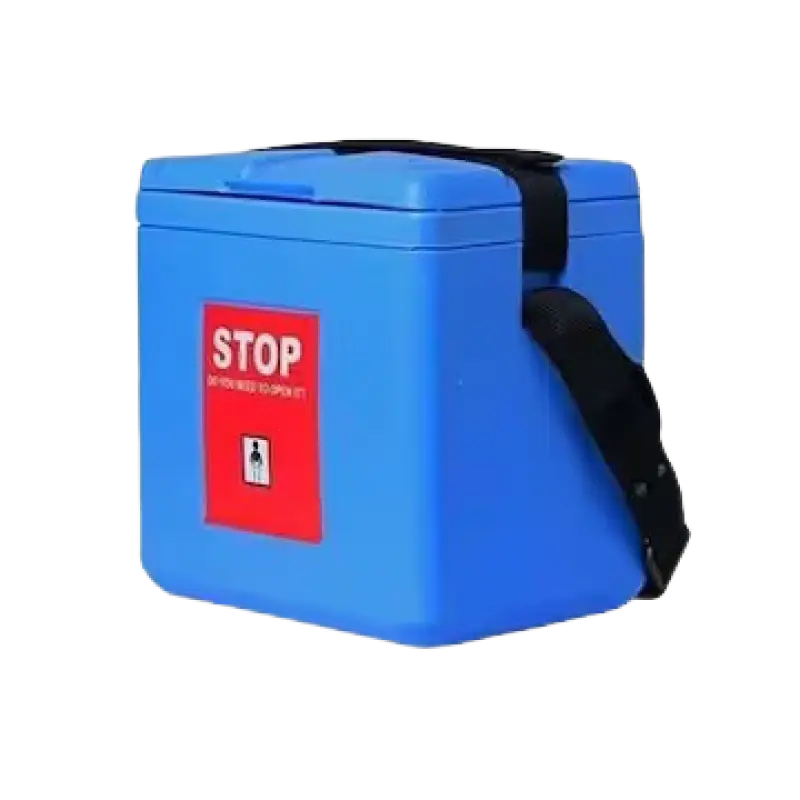
Vaccine Carrier: The Backbone of Safe Immunization Delivery
Vaccines save millions of lives every year—but only if they are stored and transported correctly. From government immunization drives to rural outreach programs, maintaining the cold chain is critical. This is where a vaccine carrier becomes one of the most important tools in public health.
A vaccine carrier may look like a simple insulated box, but it plays a vital role in ensuring vaccines remain safe, effective, and potent until they reach the patient. In this blog, we’ll explore what a vaccine carrier is, how it works, its types, temperature requirements, and how it differs from a day carrier and cold box.
What is a Vaccine Carrier?
A vaccine carrier is a small, insulated container designed to transport vaccines while maintaining the required temperature range—usually +2°C to +8°C. It is commonly used by healthcare workers during immunization outreach sessions, home visits, and temporary health camps.
Vaccine carriers are lightweight, portable, and easy to handle, making them ideal for short-distance transportation where electricity or refrigeration may not be available.
Why a Vaccine Carrier is So Important
Vaccines are extremely temperature-sensitive. Exposure to heat or freezing temperatures can reduce their effectiveness or destroy them completely. A vaccine carrier ensures:
-
Safe transport of vaccines from storage points to vaccination sites
-
Protection from heat, sunlight, and environmental exposure
-
Consistent cold-chain maintenance during outreach activities
-
Reduced vaccine wastage and improved immunization success
In simple words, a vaccine carrier protects the vaccine until it reaches the patient’s arm.
Vaccine Carrier Temperature Range
The standard vaccine carrier temperature must be maintained between +2°C and +8°C.
Why this range matters:
-
Temperatures above +8°C can reduce vaccine potency
-
Temperatures below +2°C may freeze vaccines like DPT, Hepatitis B, and pentavalent vaccines
-
Even a short temperature excursion can make vaccines ineffective
That’s why correct use of ice packs and proper handling is essential.
Ice Pack for Vaccine Carrier: How It Works
An ice pack for a vaccine carrier is a reusable plastic pack filled with a special liquid that helps regulate temperature.
Important tips for ice pack usage:
-
Always freeze ice packs fully before use
-
Condition the ice packs (allow surface ice to melt) before placing them in the carrier
-
Never place vaccines directly against frozen ice packs
-
Use the correct number of ice packs (usually 2–4)
Improper use of ice packs can cause vaccines to freeze, which is just as dangerous as overheating.
Types of Vaccine Carriers
1. Standard Vaccine Carrier
-
Capacity: Small (typically 1–5 litres)
-
Insulation time: 12–24 hours
-
Used for routine immunization outreach
2. Day Carrier Vaccine Box
A day carrier is a smaller version of a vaccine carrier.
-
Designed for daily immunization sessions
-
Holds fewer vaccines
-
Lightweight and easy to carry
-
Insulation time: 6–12 hours
Day carrier vs vaccine carrier:
Day carriers are used when only a small number of doses are needed for short durations, while vaccine carriers are used for larger quantities and longer outreach sessions.Cold Box vs Vaccine Carrier
Many people confuse a cold box with a vaccine carrier, but they serve different purposes.
| Feature | Vaccine Carrier | Cold Box |
|---|---|---|
| Capacity | Small (1–5L) | Medium to Large (5–25L+) |
| Portability | Hand-carried | Stationary or shoulder-carried |
| Usage | Short trips, outreach | Bulk storage or long-distance transport |
| Ice Packs | 2–4 | 8–24 |
| Insulation Time | Up to 24 hours | Up to several days |
In practice:
-
Cold boxes stay at PHCs, CHCs, or during transport from district stores
-
Vaccine carriers are used by health workers to reach villages and households
Vaccine Carrier and Day Carrier: How They’re Used Together
In many immunization programs, healthcare workers use both:
-
A vaccine carrier for transporting vaccines to the field
-
A day carrier for carrying a small quantity during actual vaccination
This approach minimizes repeated opening of the main carrier and helps maintain temperature more effectively.
How to Maintain Proper Vaccine Carrier Temperature
To ensure vaccines remain safe:
-
Always use conditioned ice packs
-
Keep the carrier closed as much as possible
-
Do not place the carrier in direct sunlight
-
Never overload or underload ice packs
-
Follow WHO and government immunization guidelines
Even a small mistake can compromise vaccine quality.
Role of Vaccine Carriers in India’s Immunization Program
In India’s Universal Immunization Program (UIP), vaccine carriers and cold boxes are essential tools.
-
Cold boxes store vaccines at PHCs and district stores
-
Vaccine carriers transport doses to outreach villages
-
Day carriers support on-site immunization sessions
This system ensures vaccines reach even the most remote populations safely.
Who Uses Vaccine Carriers?
Vaccine carriers are commonly used by:
-
ANMs and ASHA workers
-
Nurses and healthcare assistants
-
Government immunization teams
-
NGOs and public health organizations
-
Emergency vaccination and relief teams
Buying the Right Vaccine Carrier
When purchasing a vaccine carrier, always look for:
-
WHO or government certification
-
High-quality insulation
-
Durable, easy-to-clean material
-
Compatible ice packs
-
Clear labeling and capacity markings
Low-quality carriers may fail to maintain temperature and cause vaccine wastage.
Final Words
A vaccine carrier is more than just a box it is a lifesaving tool. By maintaining the cold chain, it ensures vaccines remain effective, protects public health investments, and supports successful immunization programs.
Understanding the correct use of vaccine carriers, day carriers, ice packs, and cold boxes is essential for every healthcare worker involved in vaccination.
For certified vaccine carriers, day carriers, cold boxes, and other medical equipment, explore trusted solutions at Aarogyaa Bharat supporting safe healthcare delivery, from storage to doorstep.