At Aarogyaa Bharat, we believe regulatory clarity builds
trust in healthcare. This in-depth guide explains what CE marking is, why it
matters, how it works under the EU Medical Device Regulation (MDR), device
classification, conformity assessment routes, documentation, timelines, costs,
and common mistakes all in clear, practical language.
What Is CE Marking for Medical Devices?
CE Marking (Conformity European) is a certification mark
that indicates a medical device meets the European Union’s safety, health, and
environmental protection requirements. For medical devices, CE marking is
mandatory to place a product on the market in the European Economic Area (EEA).
CE marking confirms that a device:
- Is
safe and performs as intended
- Complies
with applicable EU laws
- Has
undergone a conformity assessment
- Is
suitable for use by patients and healthcare professionals
CE marking for medical devices
Why CE Marking Matters in Healthcare
Medical devices interact directly with patients and
clinicians. CE marking ensures that these devices are evaluated, tested, and
monitored to reduce risks.
Key Benefits of CE Marking
- Legal
access to the EU market
- International
credibility and buyer confidence
- Strong
focus on patient safety and clinical performance
- Structured
post-market surveillance
- Easier
acceptance in other regions
Hospitals and diagnostic centers increasingly prefer
CE-marked medical equipment because it reflects consistent quality and
accountability.
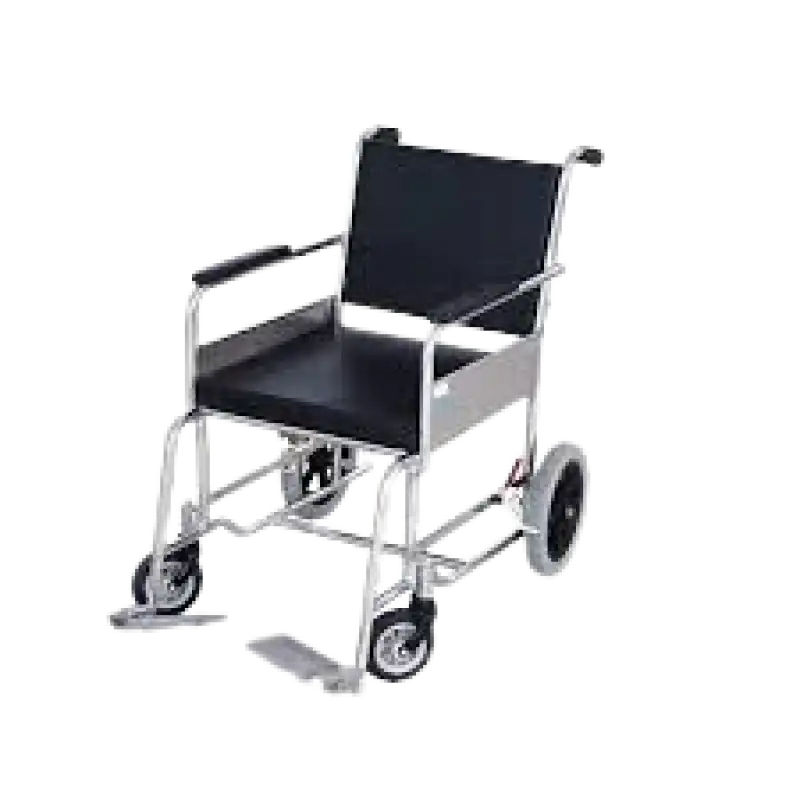
CE certified medical equipment
CE-Certified Devices in Hospital Use
Who Regulates CE Marking for Medical Devices?
CE marking for medical devices is governed by the European
Union, primarily under the:
EU Medical Device Regulation (MDR) - Regulation (EU)
2017/745
Key stakeholders include:
- European
Commission - sets the legal framework
- Notified
Bodies (NBs) - independent organizations that assess conformity
- Competent
Authorities - national regulators in EU member states
MDD vs MDR: What Changed?
The older Medical Device Directive (MDD) has been replaced
by MDR, which introduced stricter requirements.
Major Changes Under MDR
- Stronger
clinical evidence requirements
- More
rigorous post-market surveillance
- Reclassification
of many devices
- Enhanced
traceability via UDI (Unique Device Identification)
- Greater
accountability for manufacturers and importers
EU MDR medical devices
Medical Device Classification Under EU MDR
Devices are classified based on risk, which
determines the conformity route.
EU MDR Classification
- Class
I (Low Risk) - Non-invasive devices
- Class
IIa (Low-Moderate Risk) - Short-term invasive devices
- Class
IIb (Moderate-High Risk) - Long-term invasive devices
- Class
III (High Risk) - Implantable and life-supporting devices
Higher classes require Notified Body involvement.
CE medical device classification
EU MDR Risk Classification Overview
CE Marking Conformity Assessment Routes
The conformity route depends on device class.
Class I (Non-Sterile, Non-Measuring)
- Self-declaration
by manufacturer
- No
Notified Body required
Class I (Sterile / Measuring)
- Partial
Notified Body involvement
Class IIa / IIb / III
- Mandatory
Notified Body assessment
- Technical
documentation review
- Quality
management system audit
CE conformity assessment medical devices
Role of Notified Bodies
Notified Bodies (NBs) are EU-designated organizations
authorized to:
- Audit
quality systems
- Review
technical documentation
- Assess
clinical evidence
- Issue
CE certificates
Examples include TÜV, BSI, and SGS (designation may vary by
scope).
Key Documentation Required for CE Marking
Manufacturers must prepare a Technical Documentation
(Technical File) that typically includes:
- Device
description & intended use
- Risk
management (ISO 14971)
- Clinical
evaluation report (CER)
- Performance
and safety data
- Electrical
safety & EMC reports (IEC 60601, where applicable)
- Software
validation (if applicable)
- Labelling
& IFU (Instructions for Use)
- Post-market
surveillance (PMS) plan
CE marking technical documentation
CE Technical File & Compliance Review
Clinical Evaluation Under MDR
MDR requires robust clinical evidence to demonstrate:
- Safety
- Performance
- Clinical
benefit
This can include:
- Clinical
investigations
- Literature
reviews
- Post-market
clinical follow-up (PMCF)
Clinical evaluation is ongoing, not a one-time activity.
Quality Management System (QMS) for CE Marking
A compliant QMS, typically aligned with ISO 13485, is
essential for:
- Design
control
- Supplier
management
- Production
consistency
- Complaint
handling
- Corrective
& Preventive Actions (CAPA)
ISO 13485 for CE marking
Post-Market Surveillance & Vigilance
After CE marking, manufacturers must:
- Monitor
real-world device performance
- Report
serious incidents
- Conduct
periodic safety updates (PSUR)
- Maintain
traceability via UDI
This ensures continuous safety throughout the device
lifecycle.
CE Marking Timeline & Cost (Indicative)
Timeline
- Class
I: 1-3 months
- Class
IIa/IIb: 6-12 months
- Class
III: 12-24 months
Cost Factors
- Device
class & complexity
- Testing
requirements
- Notified
Body fees
- Clinical
evidence needs
CE marking cost medical devices
Common Mistakes to Avoid
Treating CE marking as a one-time task
Weak or outdated clinical evidence
Incomplete risk management
Poor post-market surveillance planning
Choosing the wrong Notified Body
Why CE Marking Matters for Hospitals & Buyers
Hospitals and diagnostic centers should verify:
- Valid
CE certificate
- Correct
device classification
- Up-to-date
MDR compliance
- Manufacturer’s
vigilance history
Using non-CE-marked devices can lead to legal risk and patient harm.
Conclusion
CE marking is not just a regulatory label it is a
comprehensive safety and quality framework that protects patients, clinicians,
and healthcare systems. Under the EU MDR, CE marking has become more rigorous,
transparent, and clinically focused, ensuring medical devices deliver
real-world benefits with minimized risk.
At Aarogyaa Bharat, we encourage healthcare providers and
buyers to prioritize CE-marked medical equipment as a cornerstone of safe,
compliant, and future-ready healthcare.