This remarkable system is your urinary tract, and when it
doesn’t function properly, the consequences can be just as serious if not more.
Disorders affecting this system are known as urological disorders, and they
often go unnoticed until they begin to disrupt everyday life.
At Aarogyaa Bharat, we believe that understanding your body
is the first step toward protecting it. This in-depth guide will help you
understand urological disorders, their causes, symptoms, types, treatments, and
preventive measures empowering you to take timely action.
What Are Urological Disorders?
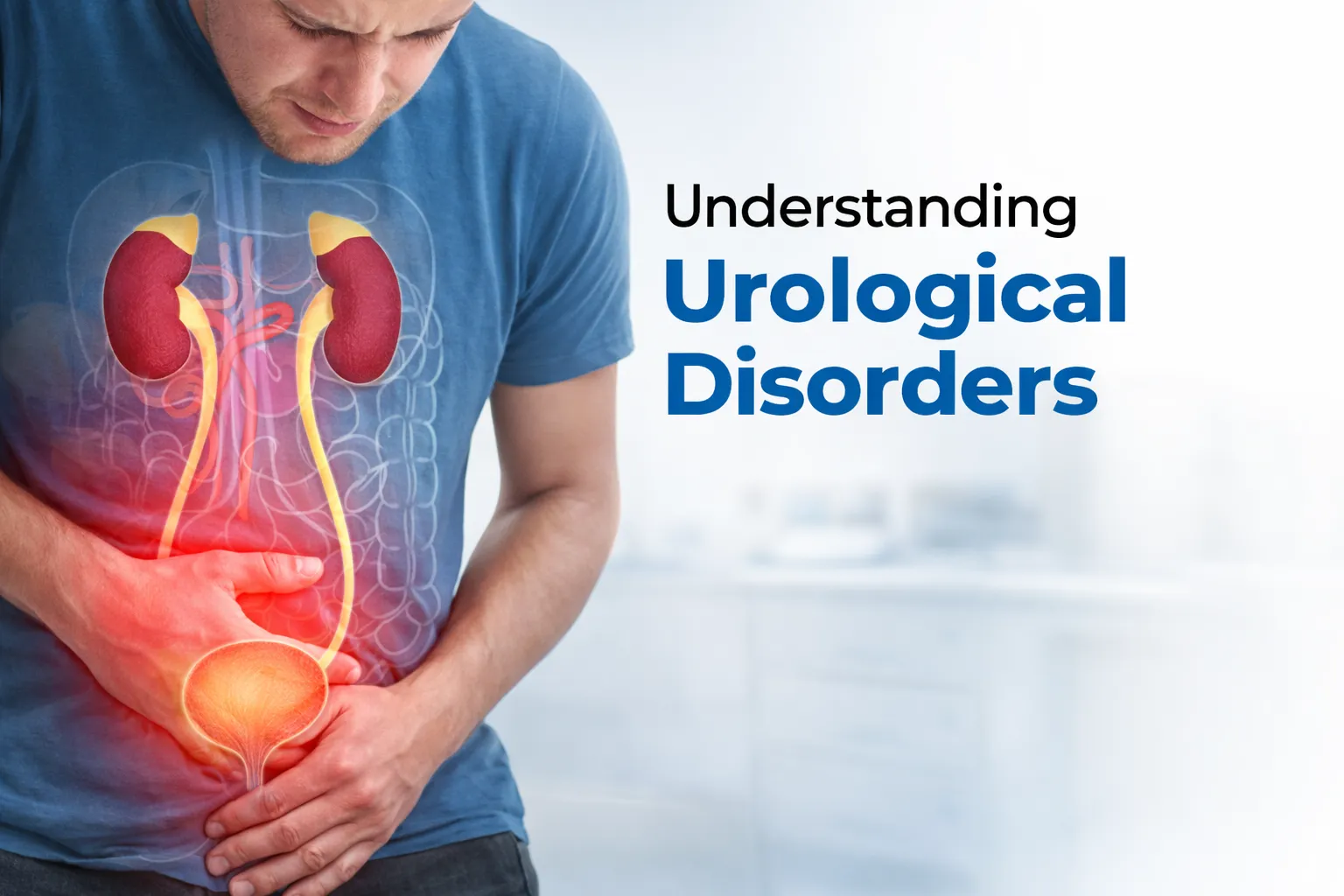
Urological disorders are conditions that affect the urinary
tract system, which includes:
- Kidneys
- Ureters
- Bladder
- Urethra
In men, urology also involves the prostate and reproductive
organs. These organs work together to filter waste and excess fluids from the
blood, forming urine and removing toxins from the body.
When any part of this system malfunctions, it can lead to
discomfort, infection, pain, and serious health complications.
Why the Urinary System Is So Important
The urinary system performs several vital functions:
- Filters
waste and toxins from the blood
- Maintains
fluid and electrolyte balance
- Regulates
blood pressure
- Supports
red blood cell production
- Helps
maintain overall metabolic stability
A problem in this system doesn’t just affect urination it
can impact your entire body.
Common Types of Urological Disorders
1. Urinary Tract Infections (UTIs)
One of the most common urological disorders, UTIs occur when
bacteria enter the urinary tract.
Symptoms include:
- Burning
sensation during urination
- Frequent
urge to urinate
- Cloudy
or foul-smelling urine
- Lower
abdominal pain
2. Kidney Stones
Hard mineral deposits that form in the kidneys and can cause
intense pain when passing through the urinary tract.
Symptoms include:
- Severe
back or side pain
- Blood
in urine
- Nausea
and vomiting
3. Bladder Disorders
Conditions such as overactive bladder or bladder
inflammation can disrupt daily activities.
Symptoms include:
- Urgency
and frequent urination
- Leakage
or incontinence
- Pelvic
discomfort
4. Prostate Disorders (in Men)
Prostate enlargement, prostatitis, and prostate cancer are
common urological concerns in aging men.
Symptoms include:
- Difficulty
starting urination
- Weak
urine stream
- Frequent
nighttime urination
5. Incontinence
Loss of bladder control can affect both men and women and
significantly impact quality of life.
Causes and Risk Factors
Urological disorders can develop due to:
- Dehydration
- Poor
hygiene
- Aging
- Diabetes
- Obesity
- Smoking
- Genetic
factors
- Certain
medications
Understanding these risk factors helps in early prevention
and management.
Warning Signs You Shouldn’t Ignore
Early detection can prevent complications. Watch out for:
- Pain
or burning during urination
- Blood
in urine
- Difficulty
urinating
- Lower
back or pelvic pain
- Frequent
urinary infections
- Changes
in urine color or odor
Ignoring these symptoms may lead to kidney damage or chronic
conditions.
Diagnosis and Treatment
Urological disorders are diagnosed through:
- Urine
tests
- Blood
tests
- Imaging
studies (ultrasound, CT scan)
- Cystoscopy
Treatment options depend on the condition and may include:
- Medications
- Lifestyle
changes
- Minimally
invasive procedures
- Surgical
intervention
Timely diagnosis ensures better outcomes and faster
recovery.
Urological Disorders and Quality of Life
Urological issues often carry social stigma, causing
individuals to delay seeking help. However, modern medicine offers effective
treatments that restore comfort, confidence, and normalcy.
With the right care, most urological disorders are
manageable or curable.
Prevention: Keeping Your Urinary System Healthy
Simple habits can protect your urinary health:
- Stay
well hydrated
- Maintain
personal hygiene
- Avoid
holding urine for long periods
- Eat
a balanced diet
- Limit
salt and processed foods
- Avoid
smoking
- Get
regular health check-ups
Preventive care is the best investment in long-term health.
Frequently Asked Questions (FAQs)
Q1. Are urological disorders common?
Yes. They affect people of all ages and genders.
Q2. When should I see a urologist?
If you experience persistent urinary symptoms, pain, or
blood in urine.
Q3. Can urological disorders be prevented?
Many can be prevented or managed with lifestyle changes and
early treatment.
Q4. Are urological problems serious?
Some can become serious if untreated, especially those
involving the kidneys.
Conclusion
Just like a faulty water filter compromises the quality of
what you consume, a malfunctioning urinary system affects your body’s ability
to cleanse itself. Urological disorders may begin quietly, but their impact can
be far-reaching if ignored.
By understanding your urinary system and recognizing early
warning signs, you take an important step toward safeguarding your health.
At Aarogyaa Bharat, we are committed to spreading health
awareness and supporting better care because when your body’s natural filters
work well, everything else flows better.