Understanding Muscle Weakness in Elderly Individuals
Muscle weakness in seniors can develop due to aging,
prolonged bed rest, neurological conditions, post-surgery recovery, arthritis,
vitamin deficiencies, or chronic illnesses. As muscles lose strength, balance
becomes unstable, increasing the risk of falls and fractures. Even simple
activities like walking to the bathroom or standing from a chair may feel
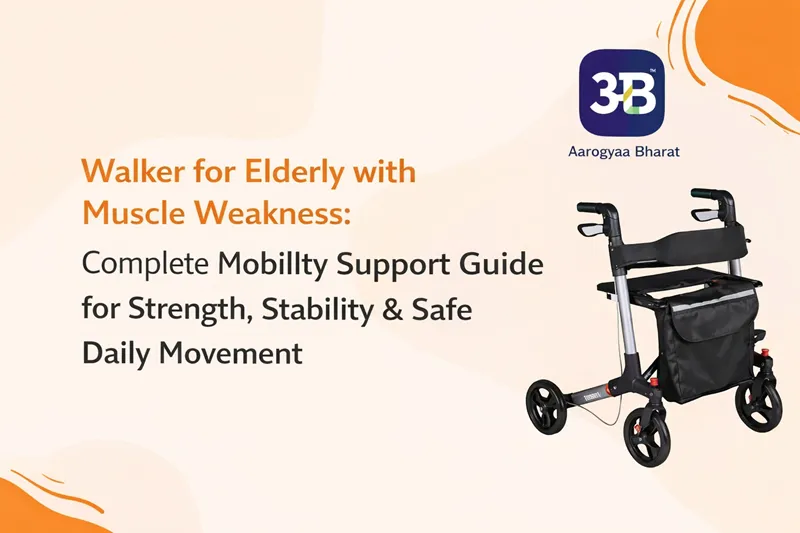
exhausting. A walker provides structured bilateral support, allowing the body
to redistribute weight evenly and reduce strain on weak muscle groups. At aarogyaabharat.com,
mobility aids are selected keeping elderly care, hospital discharge recovery,
and home-based physiotherapy in mind. The goal is not only support but gradual
improvement in confidence and mobility endurance. When muscle weakness is addressed
early with the right walking support, long-term complications can be minimized
significantly.
How a Walker Supports Elderly with Muscle Weakness
A walker works by providing four-point stability, which
reduces pressure on weakened leg muscles and joints. It allows elderly
individuals to lean gently for balance without overstraining. For those
recovering from surgery or illness, a walker encourages safe mobilization
instead of prolonged bed rest, which can worsen muscle loss. Adjustable height
ensures correct posture, preventing back pain and shoulder strain. Aarogyaa
Bharat offers walkers designed for indoor home care as well as
hospital-recommended rehabilitation use. With proper support, seniors can
gradually improve step coordination and muscle engagement while minimizing fall
risk.
Types of Walkers Suitable for Muscle Weakness
Selecting the right walker depends on the severity of muscle
weakness. Fixed walkers offer maximum stability for individuals with
significant strength loss. Reciprocal walkers help those who can manage slight
movement coordination. Two-wheel walkers reduce lifting effort while
maintaining support. Rollator walkers with brakes are recommended only when
moderate strength has returned. In many hospital pages available on
aarogyaabharat.com, physiotherapists recommend starting with a fixed walker
during early rehabilitation stages. Proper progression ensures safe muscle
recovery without overdependence on mobility aids.
Key Features to Look for in a Muscle Weakness Walker
The walker should have a strong aluminum or steel frame with
high weight capacity. Adjustable height is essential to maintain correct elbow
bend and posture. Comfortable ergonomic grips reduce hand fatigue. Anti-slip
rubber tips ensure safe indoor movement on smooth floors. Foldable frames help
caregivers manage storage and transport. Aarogyaa Bharat ensures every walker
is selected keeping elderly safety and long-term durability in mind. Choosing
the right structure directly impacts muscle training and stability improvement.
Comparison of Walker Types for Muscle Weakness
|
Walker Type |
Stability |
Best For |
Recommended Stage |
|
Fixed Walker |
Very High |
Severe muscle weakness |
Early recovery |
|
Reciprocal Walker |
High |
Mild coordination return |
Mid recovery |
|
Two-Wheel Walker |
Moderate |
Improving strength |
Moderate stage |
|
Rollator Walker |
Controlled with brakes |
Advanced mobility |
Later stage |
Walker Specifications Guide for Elderly Users
|
Feature |
Standard Walker |
Heavy-Duty Walker |
|
Weight Capacity |
100–120 kg |
150 kg+ |
|
Frame Material |
Aluminum |
Reinforced Steel |
|
Height Adjustment |
Yes |
Yes |
|
Foldable |
Yes |
Usually |
|
Ideal Use |
Home care |
Bariatric & higher support |
Important Safety Guidelines for Daily Use
Proper walker use ensures safety and gradual muscle
improvement. The walker should always be placed slightly ahead before stepping
forward. The user must stand upright without bending excessively. Anti-slip
footwear is recommended. Floors should be dry and clutter-free. Rubber tips
should be inspected regularly. Supervision is advised during early recovery
stages. Aarogyaa Bharat provides clear safety guidance so families can
confidently support elderly mobility at home.
Benefits of Using a Walker for Muscle Weakness
• Reduces fall risk
• Provides bilateral stability
• Encourages safe daily movement
• Supports gradual muscle strengthening
• Improves posture and balance
• Enhances confidence and independence
• Prevents prolonged bed rest complications
• Suitable for hospital and home care recovery
Role of Healthcare Monitoring During Muscle Weakness
Recovery
Monitoring overall health is essential during mobility
recovery. Aarogyaa Bharat recommends using healthcare calculators available on
the platform to track progress. The BMI Calculator helps determine safe
weight-bearing limits for elderly individuals. The BMR Calculator assists in
understanding nutritional needs for muscle rebuilding. These tools support a
structured recovery approach rather than guesswork. Combining mobility aids
with nutritional monitoring improves long-term strength restoration.
Emotional Impact of Mobility Loss and the Role of Support
Muscle weakness often affects emotional well-being. Seniors
may feel dependent or hesitant to move due to fear of falling. A supportive
walker restores confidence and dignity by allowing safe independence. When
elderly individuals regain the ability to walk independently within their
homes, their mental health improves significantly. Aarogyaa Bharat focuses on
compassionate mobility solutions that address both physical and emotional
recovery.
When to Consult a Doctor or Physiotherapist
Persistent muscle weakness, frequent falls, or sudden balance issues require medical consultation. Hospital pages on aarogyaabharat.com provide guidance on conditions like Parkinson’s disease, stroke recovery, arthritis, and post-surgical rehabilitation. Professional evaluation ensures the right walker type and physiotherapy plan are chosen. Early intervention improves recovery outcomes and prevents complications.
Conclusion
Muscle weakness in elderly individuals requires careful management to prevent falls and long-term complications. A properly selected walker provides stability, confidence, and structured rehabilitation support. Aarogyaa Bharat combines hospital guidance, healthcare calculators, and high-quality mobility aids to create a complete elderly care ecosystem. With the right support system, seniors can regain strength, independence, and dignity in their daily lives. Explore safe and reliable mobility solutions at aarogyaabharat.com and support recovery with confidence.