Understanding Dynamic Tape and Its Role in Modern
Rehabilitation
Dynamic tape is a highly elastic therapeutic tape engineered
to stretch significantly and recoil with strong resistance, allowing it to
store energy during movement and release it to assist muscles and joints, and
unlike traditional athletic tape that restricts motion or kinesiology tape that
primarily improves sensory feedback, dynamic tape functions as a biomechanical
support system that helps reduce load on injured tissues while maintaining
natural movement patterns, making it an essential tool for athletes,
physiotherapy patients, and individuals recovering from musculoskeletal
injuries who require consistent support during activity.
Why Proper Application Techniques Are Essential for
Effective Results
Correct application of dynamic tape determines how
effectively it supports muscle recovery because the direction of stretch,
tension level, and placement along muscle fibers directly influence the tape’s
ability to absorb mechanical load and assist movement, and improper application
may reduce therapeutic benefits or cause discomfort, which is why
physiotherapists emphasize understanding biomechanics and following structured
taping methods that align with individual rehabilitation goals, ensuring that the
tape enhances movement efficiency while protecting healing tissues.
How Dynamic Tape Supports Muscle Recovery Through
Biomechanics
Dynamic tape works by altering the way forces move through
muscles and joints during physical activity, allowing injured or fatigued
tissues to rest while still maintaining functional movement, and when applied
correctly it acts like an external elastic muscle that absorbs energy during
stretching phases and releases it during motion, reducing strain and improving
endurance, which helps patients perform exercises with less fatigue while
promoting faster healing and preventing compensatory movement patterns that
could lead to additional injuries.
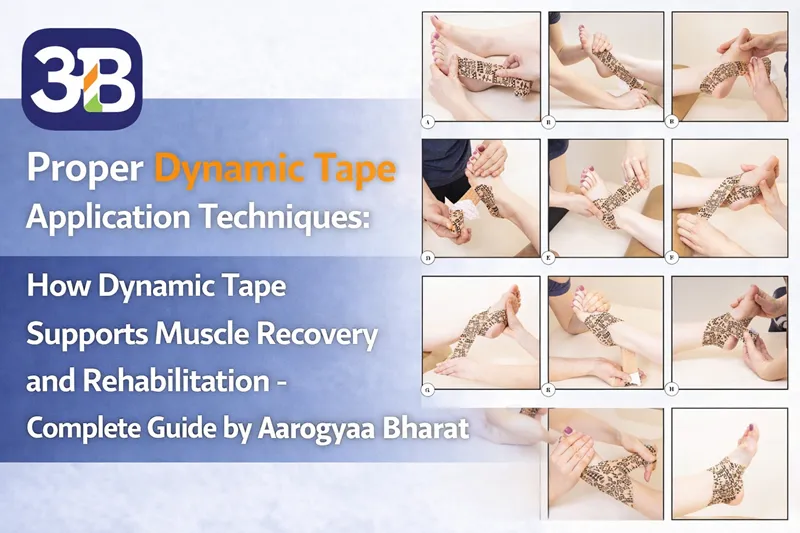
Step-by-Step Guide to Proper Dynamic Tape Application
Before applying dynamic tape, the skin should be clean, dry,
and free from oils or lotions to ensure strong adhesion, and the tape should be
measured according to the length of the muscle or joint being supported, while
edges are rounded to prevent peeling during movement, then the tape should be
applied with controlled tension along the direction of muscle fibres, ensuring
smooth placement without wrinkles, and after application the patient should
gently move the affected area to activate the tape’s recoil properties,
allowing it to provide mechanical assistance during activity.
Table: Common Dynamic Tape Application Areas and Benefits
|
Application
Area |
Purpose |
Recovery
Benefit |
|
Knee Joint |
Patellar
tracking support |
Reduces
strain during walking |
|
Shoulder |
Rotator cuff
assistance |
Improves arm
movement |
|
Lower Back |
Lumbar
support |
Enhances
posture |
|
Ankle &
Achilles |
Load
management |
Prevents
overuse injuries |
|
Hamstrings |
Muscle
recovery |
Reduces
fatigue |
Dynamic Tape Application Techniques Used in Physiotherapy
Clinics
Physiotherapists often customize taping techniques based on
injury type and movement patterns, and techniques such as load-reducing taping,
energy-storing taping, and alignment-support taping are used to address
specific rehabilitation goals, while combining dynamic tape with strengthening
exercises, mobility training, and posture correction enhances overall recovery
outcomes, making taping an integral part of modern physiotherapy programs
focused on functional rehabilitation.
Key Benefits of Dynamic Tape for Muscle Recovery and
Rehabilitation
Dynamic tape provides multiple benefits during recovery
because it reduces mechanical stress on muscles, improves endurance, and
enhances movement efficiency without restricting range of motion, and patients
often experience reduced pain and increased confidence when performing daily
activities or exercises, while the tape’s breathable material ensures comfort
during extended wear, making it suitable for both clinical rehabilitation and
home-based recovery routines.
Table: Dynamic Tape vs Incorrect Application Outcomes
|
Proper
Application |
Incorrect
Application |
|
Smooth tape
placement |
Wrinkled or
twisted tape |
|
Controlled
tension levels |
Overstretching
tape |
|
Muscle-aligned
direction |
Random
placement |
|
Comfortable
movement |
Restricted
mobility |
|
Improved
recovery results |
Reduced
effectiveness |
Dynamic Tape for Sports Injuries and Performance Recovery
Athletes frequently use dynamic tape to maintain performance
during rehabilitation because it allows continued training while reducing
strain on injured muscles, and its ability to absorb load during high-impact
activities such as running or jumping helps prevent re-injury while supporting
muscle recovery, making it a valuable tool for sports physiotherapy programs
that aim to balance performance with safe healing.
Home-Based Dynamic Tape Application with Aarogyaa Bharat
Guidance
With the growing popularity of home rehabilitation, many
individuals are learning to apply dynamic tape under professional guidance to
maintain support between physiotherapy sessions, and Aarogyaa Bharat promotes
safe and informed use of rehabilitation tools that help patients manage
recovery effectively while encouraging a balanced approach that combines taping
with exercise, proper posture, and overall wellness practices.
Safety Tips and Precautions When Applying Dynamic Tape
Although dynamic tape is designed for flexibility and
comfort, it should not be applied over open wounds, irritated skin, or areas
with poor circulation, and individuals with sensitive skin should perform a
patch test before extended use, while removing the tape slowly and carefully
helps prevent skin irritation and ensures a comfortable rehabilitation
experience.
Psychological Benefits of Proper Dynamic Tape Application
During Recovery
Properly applied dynamic tape not only provides physical
support but also improves confidence because patients feel more secure
performing movements when mechanical assistance reduces discomfort, and this
confidence encourages active participation in physiotherapy exercises, which is
essential for achieving long-term recovery goals and maintaining overall
physical well-being.
Aarogyaa Bharat - Supporting Advanced Physiotherapy and
Muscle Recovery Solutions
Aarogyaa Bharat is committed to promoting safe
rehabilitation by providing trusted healthcare guidance and resources that help
individuals improve mobility, reduce pain, and achieve better recovery outcomes
through modern physiotherapy techniques such as dynamic taping, supporting both
professional treatment plans and home-based wellness routines.
Conclusion
Proper dynamic tape application techniques are essential for
maximizing muscle recovery benefits because they ensure that the tape provides
effective mechanical assistance, reduces strain on injured tissues, and
supports natural movement patterns during rehabilitation, and by understanding
the principles of dynamic taping and following structured application methods
individuals can enhance recovery, improve performance, and maintain long-term
musculoskeletal health with the support of Aarogyaa Bharat’s commitment to
holistic healthcare.