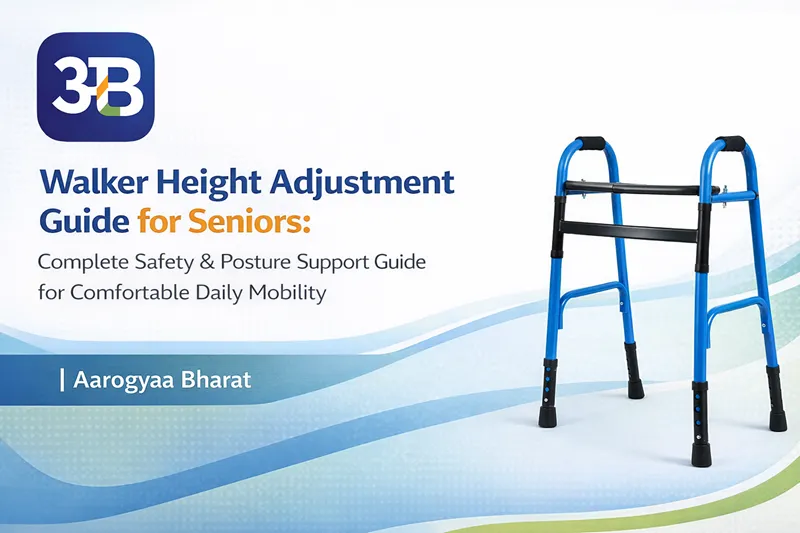
Why Proper Walker Height Adjustment Matters for Seniors
Walker height plays a critical role in maintaining stability
and comfort during movement. When a walker is too low, seniors tend to lean
forward, placing pressure on the back and shoulders, which can cause fatigue
and increase fall risk. If the walker is too high, it reduces control and may
strain wrists and elbows, making walking uncomfortable. Proper adjustment
allows seniors to maintain an upright posture while distributing weight evenly
across the frame. Families planning elderly mobility solutions often explore
hospital pages alongside mobility aid sections to ensure that walkers
integrate smoothly with beds, commode chairs, and transfer aids, creating a
balanced home care setup that promotes safety and independence.
Signs That a Walker Is Not Adjusted Correctly
Many seniors unknowingly use walkers set at incorrect
heights, which can lead to discomfort over time. Common signs include leaning
too far forward, experiencing wrist pain, feeling unstable during walking, or
needing to lift shoulders unnaturally while holding the handles. Seniors may
also feel fatigued quickly if the walker is not aligned with their natural
posture. Caregivers often review rehabilitation categories to combine proper
walker adjustment with physiotherapy guidance that supports better balance and
walking techniques.
How to Measure the Correct Walker Height for Seniors
Adjusting walker height correctly begins with measuring the
senior’s wrist level while standing upright with arms relaxed at their sides.
The walker handles should align with the crease of the wrist, allowing elbows
to bend slightly at an angle of about fifteen to twenty degrees. This position
helps maintain natural posture while walking and reduces strain on joints.
Families exploring mobility aid categories often choose adjustable walkers that
allow precise customization, ensuring that seniors receive consistent support
during daily movement.
Step-by-Step Walker Height Adjustment Process
To adjust walker height safely, place the walker on a flat
surface and ensure all legs are evenly positioned. Locate the adjustment
buttons or knobs on each leg and adjust them simultaneously to maintain
balance. After setting the height, test stability by pressing gently on the
handles and ensuring that all legs remain level on the ground. Seniors should
take a few practice steps while caregivers observe posture and comfort levels.
Many families combine walker adjustment with elderly care solutions such as
anti-slip mats and grab bars from hospital pages, creating a safer
indoor environment during practice sessions.
Walker Height Adjustment Comparison for Different Walker
Types
|
Walker
Type |
Height
Adjustment Method |
Ideal
Posture Result |
Recommended
Usage |
|
Standard
Walker |
Push-button
leg adjustment |
Upright and
stable posture |
Indoor
rehabilitation |
|
Front-Wheel
Walker |
Adjustable
front legs |
Smooth
forward motion |
Daily home
walking |
|
Rollator
Walker |
Handle height
adjustment |
Relaxed arm
positioning |
Indoor &
outdoor mobility |
|
Foldable
Walker |
Multi-level
adjustment slots |
Easy
customization |
Small home
environments |
Common Mistakes Seniors Make While Adjusting Walker
Height
One of the most common mistakes is adjusting only one side
of the walker, which causes uneven support and increases fall risk. Another
issue is setting the walker too low for comfort, leading to forward bending
that strains the back and neck. Some seniors may also choose a height based on
comfort while sitting instead of standing, which affects walking posture.
Caregivers often explore rehabilitation sections to learn proper adjustment
techniques that align with physiotherapy recommendations, ensuring safe and
effective walker use.
Benefits of Correct Walker Height for Joint Health and
Mobility
When a walker is adjusted correctly, seniors experience
improved balance, reduced joint strain, and smoother walking patterns. Proper
posture helps distribute weight evenly across arms and legs, minimizing
pressure on knees and hips. Seniors who walk with the correct walker height
often feel more confident and less fatigued during daily activities. Families
frequently integrate walkers with elderly care solutions such as transfer aids
and safety accessories found within hospital pages, enhancing overall
comfort and independence.
Role of Walker Height Adjustment in Rehabilitation
Walker height adjustment is especially important during
rehabilitation because physical conditions change as seniors recover.
Physiotherapists may recommend adjusting walker height periodically to match
improvements in posture and strength. Combining walkers with rehabilitation
categories such as balance training equipment and physiotherapy accessories
helps seniors maintain proper walking techniques throughout recovery.
Consistent adjustments ensure that mobility aids continue to provide effective
support without causing discomfort.
Indoor Safety Considerations During Walker Adjustment
Adjusting a walker indoors requires a safe and clear
environment to prevent accidents. Seniors should practice walking on flat,
non-slippery surfaces while caregivers observe posture and balance. Proper
lighting and removal of obstacles help create a safe adjustment area. Families
often explore mobility aid sections and hospital pages to integrate
walker adjustments with bedside rails, anti-slip mats, and other safety tools
that enhance stability and confidence.
Cost and Practical Considerations When Choosing
Adjustable Walkers
Adjustable walkers may cost slightly more than fixed-height
models, but they offer long-term flexibility as mobility needs change. Durable
frames and easy adjustment mechanisms ensure consistent performance without
frequent replacements. Families often use healthcare calculators and elderly
care planning tools to evaluate expenses when walkers are part of a larger home
healthcare setup that includes rehabilitation equipment and safety accessories.
Investing in an adjustable walker ensures long-term usability and improved
comfort.
Important Feature Checklist Before Final Selection
|
Feature |
Why It
Matters |
What to
Check |
|
Adjustable
Height Mechanism |
Correct
posture support |
Push-button
or knob adjustment |
|
Grip Comfort |
Reduced wrist
strain |
Ergonomic
padded handles |
|
Frame
Stability |
Safe walking |
Reinforced
aluminum or steel |
|
Anti-Slip
Tips/Wheels |
Stable
movement |
Durable
rubber or smooth wheels |
|
Foldability |
Easy storage |
Secure
locking mechanism |
Emotional and Lifestyle Benefits of Proper Walker
Adjustment
Correct walker height does more than improve physical
comfort; it enhances confidence by allowing seniors to walk naturally without
discomfort or fear of falling. Seniors who feel supported and balanced are more
likely to engage in daily activities, light exercise, and social interactions.
Families often combine properly adjusted walkers with rehabilitation equipment
and elderly care solutions to create a positive home environment that supports
both physical health and emotional well-being.
Conclusion
Proper walker height adjustment is essential for ensuring
safety, comfort, and effective mobility support for seniors. By understanding
adjustment techniques, evaluating walker features, and integrating mobility
aids with hospital pages, rehabilitation categories, elderly care
solutions, and healthcare planning tools, families can create a comprehensive
home care setup that promotes independence and long-term well-being. A
correctly adjusted walker helps seniors maintain natural posture, reduce strain
on joints, and move confidently during everyday activities.