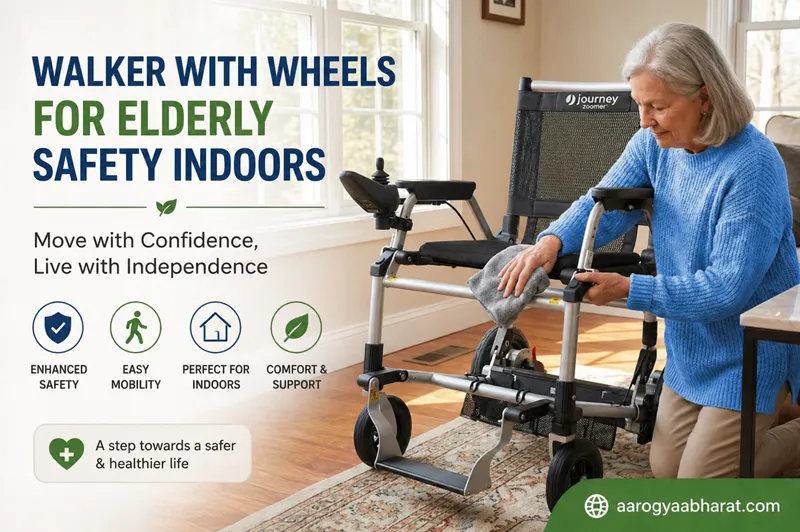
Importance of Mobility Support in Elder Care Systems
Mobility assistance plays a critical role in improving the
quality of life for elderly individuals, especially those dealing with reduced
strength, post-surgery recovery, or neurological conditions. A walker with
wheels provides structured support that allows safe movement inside homes,
hospitals, and rehabilitation centers. It is widely recommended in modern
healthcare systems because it reduces dependency on caregivers while promoting
independence. In many hospital pages and clinical rehabilitation programs,
mobility aids are considered essential tools for recovery. The integration of
assistive devices in elder care is also supported by healthcare calculator
assessments that evaluate fall risk and physical stability. As senior
populations increase globally, demand for reliable walking aids is growing
rapidly in city healthcare infrastructures. Indoor mobility solutions are no
longer optional but necessary for dignified living.
Advanced Structure of Modern Wheeled Walking Devices
Modern wheeled walkers are designed with lightweight aluminium
frames, ergonomic handles, and smooth-rolling wheels that ensure stability on
indoor surfaces. These devices are engineered to reduce strain on joints and
muscles while providing continuous balance support. Many models include
foldable mechanisms, making storage easy in compact living spaces or hospital
rooms. The design is aligned with physiotherapy standards used in
rehabilitation centers and elder care clinics. These devices are frequently listed
in healthcare product categories across medical supply platforms. Their
construction ensures durability and long-term usability even under daily usage
conditions. Safety brakes and anti-slip grips are added for enhanced
protection. The engineering behind these walkers focuses on minimizing fall
risks and improving posture alignment.
Key Benefits of Indoor Walking Assistance Tools
A walker with wheels provides multiple benefits that
directly impact physical health and mental confidence. It helps reduce pressure
on knees and hips, making movement easier for individuals with arthritis or
muscle weakness. It also encourages daily physical activity, which is essential
for cardiovascular health and bone strength. In hospital rehabilitation
programs, such devices are commonly used for post-operative recovery patients.
They support controlled walking exercises recommended by physiotherapists.
Additionally, they improve psychological well-being by reducing fear of
falling. Elderly users often regain confidence in performing basic tasks
independently. These devices also assist caregivers by reducing physical
workload and supervision pressure.
4. Comparison of Walker Types for Indoor Use
|
Walker
Type |
Stability
Level |
Mobility |
Best Usage
Area |
Key
Advantage |
|
Standard
Walker |
Very High |
Low |
Hospital
rooms |
Maximum
support |
|
Wheeled
Walker |
High |
Medium |
Indoor homes |
Balanced
mobility |
|
Rollator
Walker |
Medium |
High |
Outdoor +
Indoor |
Comfort with
speed |
|
Folding
Walker |
High |
Medium |
Travel use |
Easy storage |
Each walker type is designed for specific patient needs
based on mobility level, strength, and rehabilitation stage. Wheeled walkers
are most preferred for indoor safety due to their balance of stability and
movement flexibility. Healthcare professionals often recommend selection based
on patient assessment reports generated through healthcare calculators used in
clinical evaluations. Choosing the correct walker ensures faster recovery and
improved independence.
Safety Features and Design Innovations
Modern walking aids include advanced safety features that
ensure maximum protection during movement. Anti-slip rubber tips, hand brakes,
and reinforced frames are standard in premium models. Some devices also include
height-adjustable settings to match user posture requirements. These
innovations are widely adopted in hospital rehabilitation equipment lists and
elderly care centers. Safety-focused design reduces accidental falls and
increases walking confidence. The materials used are corrosion-resistant and
lightweight for easy handling. Many models also include shock-absorbing wheels
for uneven indoor surfaces. These improvements reflect ongoing advancements in
mobility healthcare engineering.
Role in Rehabilitation and Physiotherapy Programs
Wheeled walkers are an integral part of physiotherapy and
rehabilitation programs. They are used after surgeries such as hip replacement,
knee replacement, and spinal treatments. Physiotherapists design walking
routines using these devices to gradually restore mobility. In hospital
environments, structured walking sessions help improve muscle coordination and
balance. Rehabilitation centers often combine walker training with
strength-building exercises. This combination accelerates recovery and reduces long-term
dependency on support systems. The controlled environment ensures safe
progression from assisted to independent walking. These devices are therefore
essential in structured healthcare recovery pathways.
Elderly Care in Urban Healthcare Systems
Urban healthcare systems increasingly focus on elder
mobility solutions due to rising senior populations. City healthcare
infrastructure now includes specialized elder care units that recommend
mobility aids as part of treatment plans. Home healthcare services also
integrate walkers for patient recovery at residence. Many caregivers rely on
hospital guidance and healthcare calculator assessments to determine mobility
requirements. Indoor walkers are especially useful in apartments and compact
living spaces common in urban cities. Their portability ensures easy movement
across rooms and corridors. This makes them a practical solution for modern
urban elder care challenges.
Maintenance and Long-Term Usage Guidelines
Proper maintenance of walking aids ensures long-term
durability and safety. Regular cleaning of wheels and handles prevents dust
accumulation and improves performance. Checking brake systems and tightening
loose joints is essential for safe usage. Storage in dry areas prevents rusting
and material degradation. Users should avoid overloading or using walkers on
uneven outdoor terrain unless specified. Routine inspection ensures that the
device remains safe for daily use. Many healthcare providers recommend periodic
servicing similar to other medical equipment used in rehabilitation programs.
Proper care significantly extends product life and reliability.
Key Highlights
- Enhances
indoor mobility and independence
- Reduces
risk of falls and injuries
- Suitable
for post-surgery recovery
- Improves
confidence in elderly users
- Recommended
in physiotherapy programs
- Easy
to store and transport
- Designed
for hospital and home use
- Supports
long-term rehabilitation
Conclusion
A Walker with Wheels for Elderly Safety Indoors is more than just a mobility aid; it is a vital support system that improves safety, independence, and quality of life. With growing demand in healthcare environments, rehabilitation centers, and urban homes, these devices have become essential in elder care planning. Their advanced design, safety features, and therapeutic benefits make them a trusted choice for patients and caregivers alike. Choosing the right walker ensures better recovery outcomes and long-term mobility confidence. In modern healthcare systems, such assistive devices are not optional but a necessary part of dignified aging and recovery support.