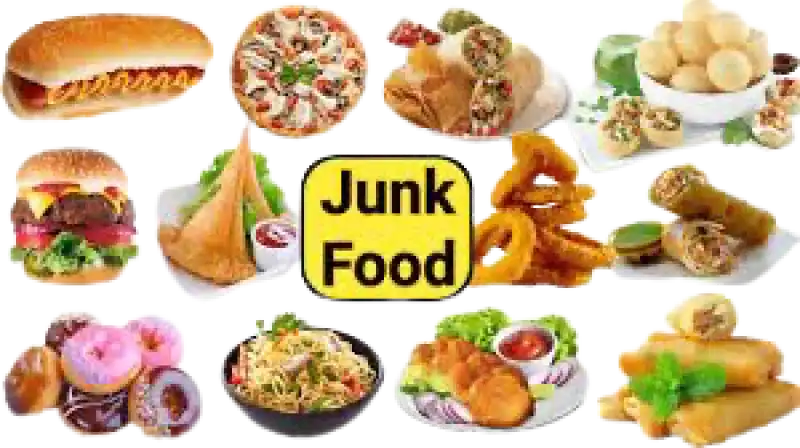
Introduction: The Weekend Trap We All Fall Into
It's Friday night. The workweek's over, and there’s this magnetic pull toward comfort—cheesy pizza, fries, cola, and ice cream. You tell yourself, "It’s just the weekend. I deserve this." And honestly, you do deserve a break. But if weekend bingeing becomes a ritual, it might be time to look beyond the taste and ask—what is this doing to my body?
The Sugar Rush and the Crash
Sweet treats like pastries, cold drinks, and chocolates give you a dopamine hit. You feel energetic, maybe even euphoric—for a while. But that spike is followed by a crash. Your blood sugar drops suddenly, leaving you tired, foggy, and oddly irritable. This constant rollercoaster can mess with your insulin levels, and over time, might even contribute to prediabetes or full-blown Type 2 diabetes. That’s a big price to pay for a few minutes of pleasure.
Salt, Fat, and the Silent Heart Risks
Most fast foods are packed with salt and unhealthy fats. Sure, your tongue loves the salty crunch of chips or the creamy richness of a burger. But your arteries? Not so much. Too much sodium increases blood pressure. And trans fats—the kind found in deep-fried goodies—are notorious for raising bad cholesterol. Even occasional overindulgence can slowly chip away at your heart health, especially if you're not balancing it with nutritious meals and physical activity during the week.
Gut Reaction: Why Your Stomach Suffers First
One of the earliest signs that junk food is doing damage? Your stomach tells you. Heavy, greasy foods slow down digestion. You might feel bloated, lethargic, or just plain uncomfortable after those weekend meals. Over time, this can affect your gut microbiome—those friendly bacteria in your digestive tract that help keep your immune system strong and digestion smooth. Upsetting that balance regularly? That opens the door to constipation, gas, and even chronic inflammation.
Mood and Mental Fog
We don’t always associate junk food with our mental state, but we should. A meal high in sugar and refined carbs can make you feel happy for a moment but leave you drained later. Some studies even link regular consumption of processed foods to mood swings and anxiety. Plus, when your body spends more time processing junk, it has less energy left for cognitive function. That “Monday morning brain fog” might be more connected to your weekend meals than you think.
How to Enjoy Without Overdoing It
Look, this isn’t a war against fries and milkshakes. Food should be fun, and guilt shouldn’t be the main ingredient. But awareness is power. Here are a few tips to keep the joy without the aftermath:
- Set limits: One treat meal per weekend is enough.
- Hydrate: Junk food dehydrates your system. Water helps.
- Balance it out: Add fruits or a fresh salad to your junk meal to aid digestion.
- Listen to your body: Stop eating when you're full. The joy shouldn’t come with regret.
FAQs
Is occasional junk food harmful?
No, occasional indulgence is okay. It’s regular bingeing that leads to problems.
How does junk food affect energy levels?
It gives you a quick energy boost followed by a crash, leading to fatigue.
Can weekend bingeing alone lead to health issues?
Yes, if it’s consistent and unbalanced. Your body feels the cumulative effect.
Are there healthier alternatives to common junk food?
Absolutely. Baked snacks, homemade burgers, and natural sweeteners offer better options.
Conclusion: You Can Treat Yourself—Just Don’t Trick Your Body
Weekend junk food doesn’t have to be the villain. But when it becomes a habit, it quietly affects your energy, mood, digestion, and long-term health. You don’t need to cut out joy—just add a little mindfulness to your meals. Your future self will thank you for the balance.