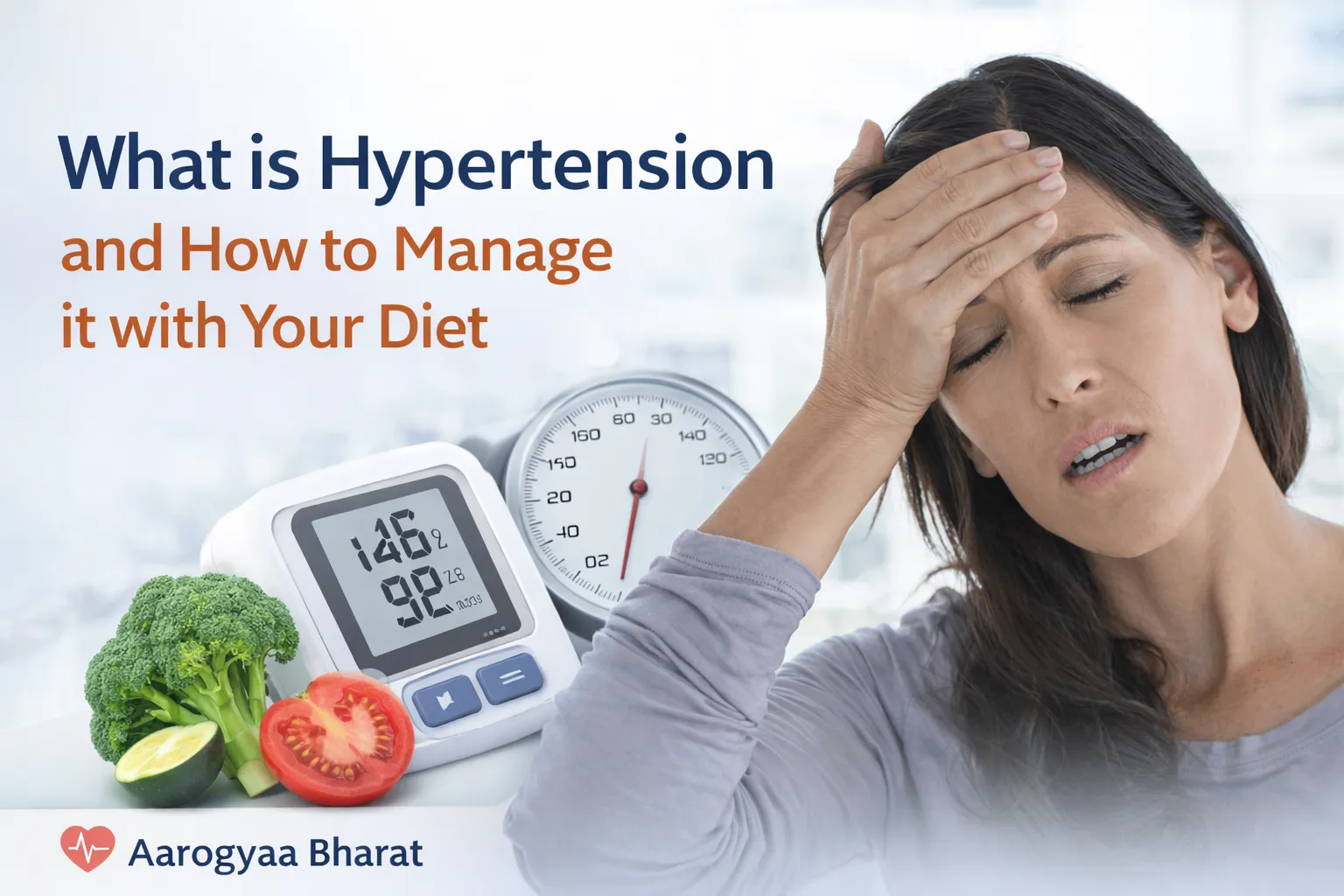
Blood pressure represents the force exerted by circulating blood on the walls of the arteries. When this pressure remains consistently higher than normal levels, it puts extra strain on the heart and blood vessels. Over time, this continuous strain damages arteries, making them less elastic and more prone to blockages. As a result, vital organs such as the heart, brain, and kidneys may not receive adequate blood supply, leading to life-threatening outcomes.
Diet plays a central role in both the development and
management of hypertension. What we eat daily influences blood volume, blood
vessel health, hormonal balance, and inflammation levels in the body. Excessive
intake of salt, unhealthy fats, and processed foods can gradually elevate blood
pressure, while a balanced, nutrient-rich diet can help regulate it naturally.
This makes dietary management a cornerstone of hypertension prevention and
control.
In recent years, healthcare professionals have increasingly
emphasized non-pharmacological interventions such as dietary modification as
the first line of defense against high blood pressure. While medications are
often necessary in moderate to severe cases, lifestyle changes, particularly
diet, can significantly enhance treatment outcomes and sometimes even reduce
medication dependency. Understanding the relationship between hypertension and
diet empowers individuals to take proactive control of their health.
This blog provides a comprehensive overview of hypertension,
its causes, health risks, and most importantly, how it can be effectively
managed through dietary choices. By following evidence-based nutritional
guidelines, individuals can protect their cardiovascular system, improve
overall well-being, and reduce long-term complications associated with high
blood pressure.
Understanding Hypertension: A Medical Overview
Hypertension is diagnosed when blood pressure readings
consistently exceed normal values. Blood pressure is measured using two
numbers: systolic pressure and diastolic pressure. The systolic number reflects
the pressure in arteries when the heart contracts, while the diastolic number
indicates the pressure when the heart relaxes between beats. Persistent
elevation of either or both values signifies hypertension and requires medical
attention.
There are two main types of hypertension: primary
(essential) hypertension and secondary hypertension. Primary hypertension
develops gradually over many years and has no identifiable single cause. It is
influenced by genetic factors, aging, and lifestyle habits such as diet and
physical inactivity. Secondary hypertension, on the other hand, results from an
underlying medical condition such as kidney disease, hormonal disorders, or
certain medications.
One of the most concerning aspects of hypertension is its
progressive nature. In the early stages, the condition may cause no symptoms at
all, allowing damage to occur silently within the body. As blood vessels become
damaged and narrowed, the heart must work harder to pump blood, leading to
thickening of the heart muscle and reduced efficiency over time.
Uncontrolled hypertension accelerates the process of
atherosclerosis, where fatty deposits build up inside arteries. This process
restricts blood flow and increases the likelihood of heart attacks and strokes.
Additionally, high blood pressure can weaken blood vessels in the brain,
increasing the risk of hemorrhagic stroke and cognitive decline.
Because hypertension affects multiple organ systems, it is
considered a systemic disease rather than a localized problem. Effective
management therefore requires a holistic approach that addresses dietary
habits, physical activity, stress levels, and other lifestyle factors alongside
medical treatment when necessary.
Major Causes and Risk Factors of Hypertension
Hypertension does not usually develop due to a single cause
but rather as a result of multiple interacting factors. Lifestyle habits play a
crucial role in determining whether an individual develops high blood pressure
over time. Among these, dietary patterns are particularly influential, as they
directly affect blood volume, vascular resistance, and metabolic health.
Excessive salt intake is one of the most well-established
contributors to hypertension. Sodium causes the body to retain water, which
increases blood volume and raises blood pressure. Modern diets, rich in
processed and packaged foods, often contain sodium levels far exceeding
recommended limits, making salt reduction a key preventive strategy.
Obesity and overweight status significantly increase the
risk of developing hypertension. Excess body fat, especially around the
abdomen, is associated with increased insulin resistance and inflammation, both
of which contribute to elevated blood pressure. Weight gain also increases the
workload on the heart, further exacerbating cardiovascular strain.
Physical inactivity is another major risk factor. Lack of
regular exercise leads to poor vascular tone, reduced metabolic efficiency, and
increased body weight. Sedentary behavior also negatively affects stress
hormone regulation, which can indirectly elevate blood pressure over time.
Other contributors include smoking, excessive alcohol
consumption, chronic stress, and genetic predisposition. Smoking damages blood
vessels and reduces oxygen supply, while alcohol can interfere with blood
pressure regulation mechanisms. Chronic stress triggers hormonal responses that
cause temporary spikes in blood pressure, which may become persistent if stress
is prolonged.
Blood Pressure Classification Table
Blood Pressure Categories (Adults)
|
Category |
Systolic (mm Hg) |
Diastolic (mm Hg) |
|
Normal |
Less than 120 |
Less than 80 |
|
Elevated |
120-129 |
Less than 80 |
|
Hypertension Stage 1 |
130-139 |
80-89 |
|
Hypertension Stage 2 |
140 or higher |
90 or higher |
|
Hypertensive Crisis |
Above 180 |
Above 120 |
This classification helps clinicians determine the severity
of hypertension and decide appropriate management strategies. Early
identification allows for timely lifestyle interventions before irreversible
damage occurs.
Role of Diet in Hypertension Management
Dietary habits directly influence blood pressure through
multiple physiological mechanisms. Nutrients such as sodium, potassium,
calcium, magnesium, and fiber play critical roles in regulating vascular tone,
fluid balance, and nerve signaling. An imbalanced diet disrupts these
processes, leading to sustained elevation of blood pressure.
High-sodium diets increase extracellular fluid volume,
placing additional pressure on arterial walls. In contrast, potassium-rich
foods help counteract sodium’s effects by promoting sodium excretion through
urine and relaxing blood vessels. This balance between sodium and potassium
intake is a fundamental principle of blood pressure control.
Dietary fiber, found abundantly in fruits, vegetables, and
whole grains, improves vascular health by reducing cholesterol levels and
enhancing insulin sensitivity. Improved metabolic health translates into better
blood pressure regulation and reduced cardiovascular risk.
Unhealthy fats, particularly trans fats and excessive
saturated fats, contribute to arterial stiffness and inflammation. Replacing
these with unsaturated fats from sources like nuts, seeds, and olive oil
improves endothelial function and supports heart health.
Consistent adherence to a heart-healthy diet not only lowers
blood pressure but also reduces the risk of associated conditions such as
diabetes and obesity. This makes dietary management a sustainable and
cost-effective approach to long-term hypertension control.
Recommended Diet for Hypertension Control
Foods to Include and Avoid
|
Include More Of |
Limit or Avoid |
|
Fresh fruits and vegetables |
Processed and packaged foods |
|
Whole grains |
Refined carbohydrates |
|
Low-fat dairy products |
High-fat dairy |
|
Nuts and seeds |
Fried foods |
|
Lean proteins (fish, legumes) |
Excess red meat |
|
Potassium-rich foods |
High-sodium snacks |
Adopting these dietary changes gradually allows the body to
adapt while making the transition sustainable over time.
Statistics on Hypertension and Diet
Globally, hypertension affects more than 1.2 billion adults,
according to international health estimates. Nearly half of these individuals
are unaware of their condition, highlighting the need for better screening and
public education. Dietary factors contribute to a significant proportion of
these cases.
Studies indicate that reducing daily sodium intake by just 1
gram can lower systolic blood pressure by approximately 5-6 mm Hg in
hypertensive individuals. Similarly, diets rich in fruits and vegetables have
been shown to reduce blood pressure by up to 11 mm Hg in some populations.
Research on dietary patterns such as the DASH (Dietary
Approaches to Stop Hypertension) diet shows a reduction in cardiovascular
events by nearly 20% among individuals who follow the diet consistently. These
statistics emphasize the powerful role of nutrition in disease prevention.
Graph Explanation: Diet Impact on Blood Pressure
A typical graph illustrating the relationship between diet
and blood pressure shows a clear downward trend as sodium intake decreases and
potassium intake increases. On the horizontal axis, dietary sodium levels are
plotted, while systolic blood pressure appears on the vertical axis. As sodium
intake declines, blood pressure values steadily fall.
Another commonly used graph compares blood pressure changes before and after adopting a DASH-style diet. The post-diet curve demonstrates a significant reduction in both systolic and diastolic readings over a period of 8–12 weeks, reinforcing the effectiveness of dietary intervention.
These graphical trends visually reinforce what clinical data
confirms: dietary modification leads to measurable and clinically significant
improvements in blood pressure control.
Long-Term Benefits of Dietary Management
Managing hypertension through diet offers benefits beyond
blood pressure reduction. Improved dietary habits enhance overall
cardiovascular health, reduce cholesterol levels, and support healthy body
weight maintenance. These combined effects lower the risk of heart attacks,
strokes, and metabolic disorders.
A nutrient-dense diet also supports kidney function, which
is particularly important because hypertension and kidney disease often
coexist. By reducing strain on the kidneys, dietary management slows disease
progression and improves quality of life.
From a public health perspective, dietary intervention is cost-effective and accessible. Unlike medications, healthy foods have minimal side effects and provide additional nutritional benefits, making them suitable for long-term adherence.
Conclusion
Hypertension is a widespread yet manageable condition when
addressed proactively. Despite its silent progression, the disease leaves clear
opportunities for prevention and control through informed lifestyle choices.
Among these, dietary management stands out as one of the most effective and
sustainable strategies.
By reducing sodium intake, increasing consumption of fruits,
vegetables, and whole grains, and avoiding processed foods, individuals can
significantly lower their blood pressure and protect their cardiovascular
health. These changes not only address hypertension but also improve overall
metabolic and organ health.
Long-term commitment to a heart-healthy diet empowers
individuals to take control of their well-being, reduce dependence on
medications, and minimize the risk of serious complications. With the right
knowledge and consistent effort, hypertension can be effectively managed,
leading to a healthier and longer life.
Aarogyaa Bharat - Your Trusted Partner in Home Healthcare