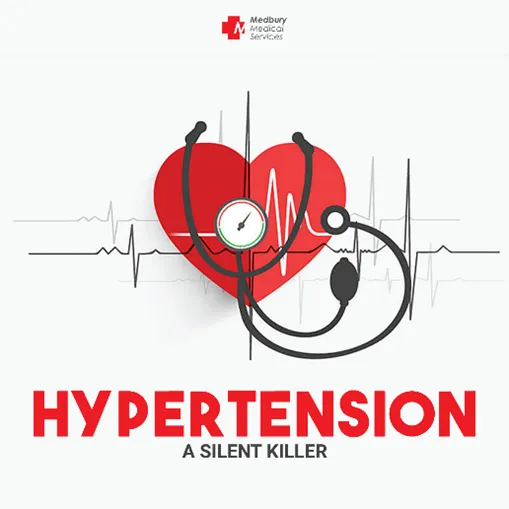
Hypertension is often called a “silent killer” because it
may not cause noticeable symptoms for years - yet it significantly increases
the risk of heart disease, stroke, and kidney failure.
At Aarogyaa Bharat, we explain hypertension clearly so
you can understand it early and manage it effectively.
What Is Normal vs High Blood Pressure?
|
Category |
Blood
Pressure (mmHg) |
|
Normal |
<120 /
<80 |
|
Elevated |
120–129 /
<80 |
|
Hypertension
Stage 1 |
130–139 /
80–89 |
|
Hypertension
Stage 2 |
≥140 / ≥90 |
Persistent readings above normally indicate hypertension.
How Hypertension Affects the Body
When blood pressure stays high:
- Arteries
become stiff and narrow
- Heart
muscle thickens and weakens
- Blood
flow to organs reduces
This can damage:
- Heart
(heart attack, heart failure)
- Brain
(stroke, memory problems)
- Kidneys
(chronic kidney disease)
- Eyes
(vision loss)
Types of Hypertension
Primary (Essential) Hypertension
- Most
common type
- Develops
gradually over years
- Linked
to lifestyle and genetics
Secondary Hypertension
- Caused
by another condition
- Appears
suddenly
- Often
more severe
Common causes include kidney disease, hormonal disorders,
and certain medications.
Common Causes and Risk Factors
Hypertension risk increases with:
- High
salt intake
- Obesity
- Physical
inactivity
- Smoking
and alcohol
- Stress
- Family
history
- Aging
Many people develop hypertension due to multiple combined
factors.
Symptoms of Hypertension
Most people with hypertension feel completely normal.
When symptoms appear, they may include:
- Headaches
- Dizziness
- Shortness
of breath
- Chest
discomfort
- Blurred
vision
Symptoms usually appear only when BP is dangerously high.
How Hypertension Is Diagnosed
Diagnosis involves:
- Multiple
BP readings on different days
- Proper
cuff size and positioning
- Home
or ambulatory BP monitoring (if needed)
A single high reading is not enough to diagnose
hypertension.
Managing and Controlling Hypertension
Lifestyle Changes
- Reduce
salt intake
- Maintain
healthy weight
- Exercise
regularly
- Quit
smoking
- Manage
stress
Medications (if prescribed)
- ACE
inhibitors
- Beta
blockers
- Calcium
channel blockers
- Diuretics
Treatment is individualized based on patient risk.
Why Regular BP Monitoring Matters
Regular monitoring helps:
- Detect
hypertension early
- Track
treatment effectiveness
- Prevent
complications
Home BP monitoring is strongly recommended for long-term
control.
How Aarogyaa Bharat Supports Blood Pressure Care
At Aarogyaa Bharat, we provide:
- Reliable
blood pressure monitors
- Correct
cuff sizes
- Home-care
medical equipment
- Trusted
health education
We believe early awareness saves lives.
Frequently Asked Questions (FAQs)
Q1. Can hypertension be cured?
It cannot always be cured, but it can be well controlled.
Q2. Is hypertension hereditary?
Yes, genetics play a role, but lifestyle matters greatly.
Q3. Can young people have hypertension?
Yes - especially with obesity, stress, or poor diet.
Conclusion
Hypertension may be silent, but its effects are powerful.
Understanding blood pressure, monitoring it regularly, and making healthy
choices can dramatically reduce long-term risks.
With the right knowledge and tools, high blood pressure is
manageable.
For trusted healthcare guidance and quality medical
products, rely on AarogyaaBharat.com