A wheelchair can significantly improve mobility, comfort,
and independence for individuals experiencing temporary or long-term mobility
limitations. Whether someone is recovering from surgery, managing a chronic
medical condition, or supporting an elderly family member, choosing between
renting and purchasing a wheelchair is an important decision. Each option
offers unique advantages depending on the duration of use, budget, lifestyle,
and medical requirements. Understanding the differences between wheelchair
rental and purchase allows families to select the most suitable mobility
solution while avoiding unnecessary expenses. Modern wheelchairs are available
in various designs, making it easier to match the equipment to individual
healthcare needs and home environments.
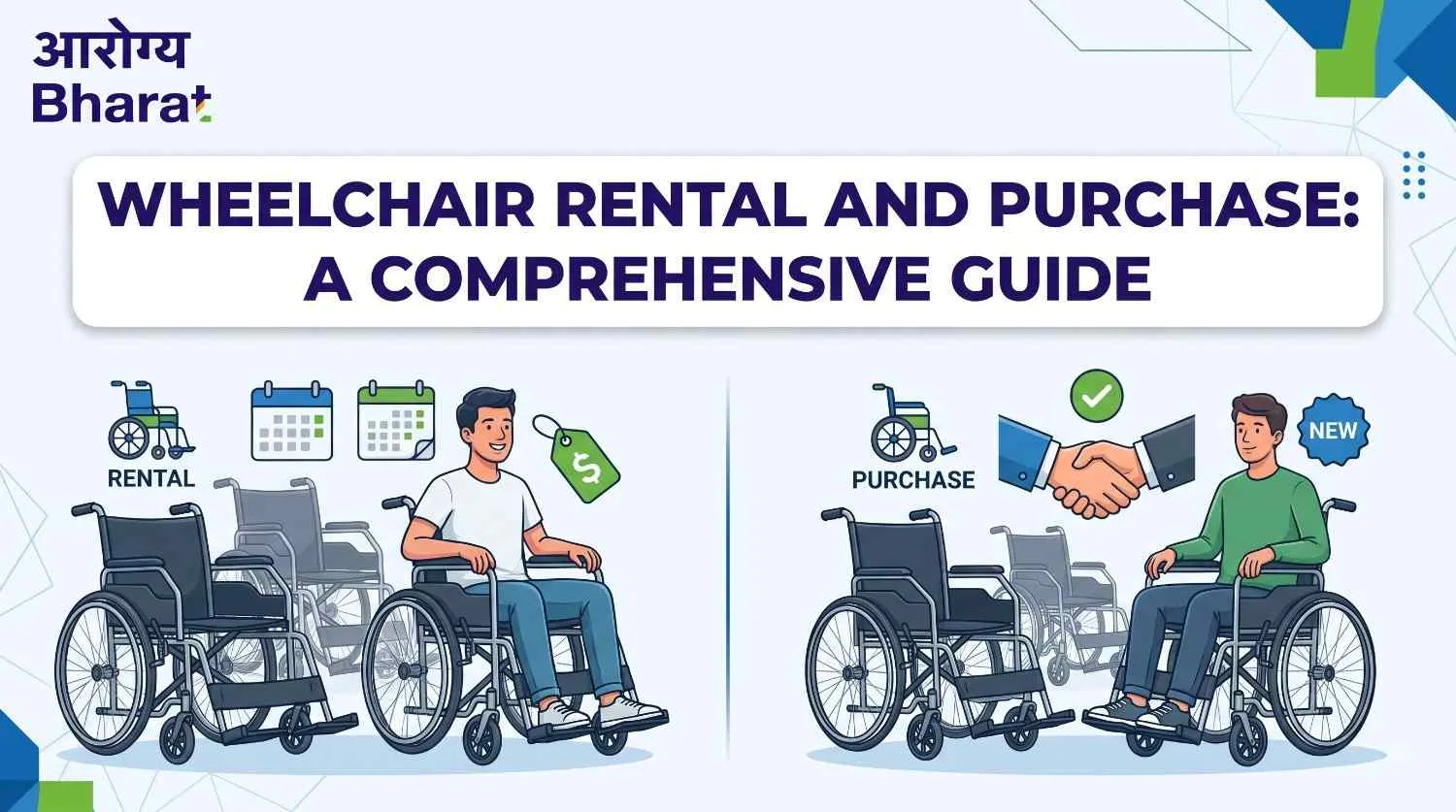
Understanding Wheelchair Rental and Purchase
Wheelchair rental provides temporary access to mobility
equipment without requiring a significant upfront investment. It is commonly
chosen by individuals recovering from surgery, fractures, or short-term medical
conditions that limit walking for a limited period. Purchasing a wheelchair, on
the other hand, is generally more suitable for people with permanent or
long-term mobility needs. Ownership allows users to customize the wheelchair,
use it without rental restrictions, and maintain continuous access whenever
required. Before making a decision, users should evaluate the expected duration
of use, medical advice, home accessibility, and financial considerations.
Exploring different options helps ensure that the chosen wheelchair provides
comfort, safety, and long-term value.
Individuals looking for mobility solutions can explore Wheelchairs
suitable for both temporary and permanent use.
Medical Disclaimer: Wheelchair selection should
always be based on professional medical advice. Consult a doctor,
physiotherapist, or occupational therapist before choosing a wheelchair,
especially for long-term mobility support.
Who May Need a Wheelchair?
Wheelchairs are used by individuals with a wide range of
mobility limitations. Elderly adults experiencing age-related weakness,
patients recovering from orthopedic surgery, individuals with spinal cord
injuries, stroke survivors, and people living with neurological or
musculoskeletal conditions may benefit from wheelchair support. Some users
require mobility assistance for only a few weeks, while others depend on a
wheelchair as part of their daily routine. The choice between rental and
purchase depends largely on the user's recovery expectations and long-term
mobility goals. Healthcare professionals can assess mobility levels and
recommend the most appropriate solution based on the individual's condition.
Many users also combine wheelchairs with Mobility Aids
to improve movement and independence during recovery.
Benefits of Renting a Wheelchair
Renting a wheelchair offers flexibility for people who
require mobility support for a limited time. It eliminates the need for a large
upfront investment and allows users to return the equipment once it is no
longer needed. Rental services can be particularly useful after surgery, during
rehabilitation, or while waiting for permanent mobility equipment. They also
allow individuals to try different wheelchair models before deciding whether
purchasing one is the better option. Rental providers typically maintain and
service the equipment, reducing maintenance responsibilities for users. This
makes renting a practical choice for temporary healthcare needs.
Benefits of Purchasing a Wheelchair
Purchasing a wheelchair provides long-term convenience and
complete ownership. Individuals with permanent mobility challenges often
benefit from having a wheelchair that is customized to their comfort, posture,
and lifestyle. Ownership eliminates recurring rental costs and ensures that
mobility support is always available when needed. Users can also select
features such as adjustable armrests, reclining backrests, lightweight frames,
and specialized cushions to improve comfort. Over time, purchasing may become
more economical than renting for individuals who rely on a wheelchair every
day.
People requiring comprehensive home support often explore Patient
Care Equipment alongside wheelchair solutions.
Rental vs Purchase: Which Option Is Right for You?
Choosing between renting and buying depends on several
important factors, including the expected duration of mobility support,
financial considerations, and medical recommendations. Rental is generally more
suitable for temporary conditions, while purchasing offers better long-term
value for individuals with ongoing mobility requirements. Lifestyle, travel
frequency, caregiver assistance, and home accessibility should also influence
the decision. Before making a choice, users should discuss their mobility goals
with healthcare professionals and compare available wheelchair models to ensure
the selected option meets their daily needs.
|
Feature |
Wheelchair Rental |
Wheelchair Purchase |
|
Initial Cost |
Lower |
Higher |
|
Long-Term Value |
Limited |
Excellent |
|
Best For |
Temporary Use |
Long-Term Use |
|
Ownership |
No |
Yes |
|
Customization |
Limited |
Extensive |
|
Maintenance |
Often Included |
Owner Responsibility |
Factors to Consider Before Renting or Buying
Several practical considerations should guide the
decision-making process. Users should evaluate their physical condition,
expected recovery period, home layout, transportation requirements, and
caregiver support. A lightweight wheelchair may be easier for travel, while a
reclining wheelchair may offer greater comfort for extended use. Budget is
another important factor, but it should not be the only consideration. Choosing
a wheelchair based solely on cost may result in discomfort or reduced
functionality. Professional assessment can help identify the most suitable
option while minimizing future expenses.
Individuals recovering at home may also benefit from Home
Healthcare Products that support daily care and mobility.
Types of Wheelchairs Available
Choosing the right wheelchair starts with understanding the
different models available and their intended use. Manual wheelchairs are ideal
for individuals who can propel themselves or have caregiver assistance.
Lightweight wheelchairs are easier to lift, transport, and store, making them
suitable for travel and everyday home use. Transport wheelchairs are designed
primarily for caregiver-assisted movement over short distances. Reclining
wheelchairs provide additional back support for users who spend extended
periods seated, while commode wheelchairs combine mobility with toileting
assistance. Selecting the appropriate type improves comfort, safety, and
long-term usability while supporting the user's specific mobility requirements.
Users requiring additional rehabilitation support may also
explore Rehabilitation Equipment to complement their recovery journey.
Choosing the Right Wheelchair for Your Needs
Every individual has unique mobility requirements, making
professional assessment an important part of wheelchair selection. Factors such
as body weight, height, upper-body strength, medical condition, and daily
activities influence the ideal wheelchair. Users should also consider seat
width, backrest height, footrests, wheel size, and overall maneuverability. A
wheelchair that fits correctly provides better posture, reduces pressure, and
improves comfort during extended use. Families should also evaluate whether the
wheelchair can pass comfortably through doorways and around furniture. Taking
these factors into account helps ensure safe and efficient mobility both
indoors and outdoors.
Medical Disclaimer: A healthcare professional should
assess wheelchair fit and positioning, especially for individuals with
long-term mobility limitations or postural support needs.
Creating a Wheelchair-Friendly Home
A wheelchair-friendly home allows users to move more
independently while reducing the risk of accidents. Rearranging furniture to
create wider pathways, removing loose rugs, improving lighting, and ensuring
easy access to frequently used areas can make a significant difference.
Bathrooms may require grab bars, shower chairs, and non-slip flooring to
improve safety. Ramps or threshold solutions can help users navigate entrances
and level changes more comfortably. Small modifications often have a lasting impact
on accessibility and independence, making everyday tasks easier for both users
and caregivers.
Many families improve accessibility by adding Home Safety
Products that enhance mobility and reduce fall risks.
Caring for Your Wheelchair
Routine maintenance helps ensure that a wheelchair remains
safe, reliable, and comfortable. Users should regularly inspect brakes, wheels,
tires, footrests, armrests, and folding mechanisms for signs of wear or damage.
Cleaning the wheelchair prevents dust and debris from affecting moving parts,
while prompt repairs reduce the likelihood of unexpected breakdowns. Cushions
and upholstery should also be kept clean to maintain hygiene and comfort.
Following the manufacturer's maintenance recommendations helps extend the life
of the wheelchair and supports safe everyday use.
People looking for long-term mobility solutions may also
consider related Healthcare Products that simplify daily care.
Safety Tips for Wheelchair Users
Safe wheelchair use depends on proper handling, regular
maintenance, and a well-prepared environment. Following basic safety practices
can significantly reduce the risk of accidents:
- Lock
the brakes before sitting or standing.
- Keep
pathways free from clutter.
- Avoid
wet or uneven surfaces whenever possible.
- Do not
exceed the wheelchair's weight capacity.
- Inspect
brakes and wheels regularly.
- Use
ramps instead of attempting stairs.
- Sit
with proper posture to maintain balance.
- Replace
damaged components promptly.
- Store
the wheelchair in a dry, clean area.
- Follow
the manufacturer's operating instructions.
These simple habits help improve both safety and confidence
during everyday mobility.
Common Mistakes to Avoid
Many wheelchair users unintentionally make choices that
reduce safety or comfort. Purchasing a wheelchair without professional
guidance, selecting the wrong seat size, ignoring home accessibility, or
neglecting regular maintenance can create unnecessary challenges. Some users
also postpone replacing worn wheels or faulty brakes, increasing the risk of
accidents. Another common mistake is choosing equipment based only on price
rather than long-term suitability. Taking time to evaluate individual needs and
maintaining the wheelchair properly can improve overall performance and user
satisfaction.
Individuals managing long-term mobility conditions often
benefit from combining wheelchairs with Daily Living Aids that support
everyday independence.
Why Choose Aarogyaa Bharat?
Aarogyaa Bharat offers a wide range of healthcare and
mobility solutions designed to meet the needs of seniors, patients, caregivers,
rehabilitation professionals, and healthcare providers. Customers can explore
carefully selected mobility products based on comfort, safety, durability, and
intended use. In addition to wheelchairs, Aarogyaa Bharat provides solutions
across multiple healthcare categories, making it easier to find everything
required for home care and rehabilitation in one place. Educational resources
also help customers make informed decisions while selecting products suited to
their individual healthcare requirements.
Along with wheelchairs, customers can also explore Walking
Aids, Senior Mobility Products, Orthopedic Products, Bathroom
Safety Products, Healthcare Calculator, Hospital Page, and Aarogyaa
Bharat City Pages for additional healthcare information and mobility
solutions.
Medical Disclaimer: The most suitable wheelchair
depends on the user's medical condition, physical abilities, and healthcare
professional's recommendations. Always seek expert guidance before purchasing
mobility equipment.
Conclusion
Choosing between renting and purchasing a wheelchair depends
on the individual's mobility needs, expected duration of use, lifestyle, and
financial considerations. Rental services provide flexibility and affordability
for temporary recovery, while purchasing offers greater long-term value,
customization, and continuous accessibility for permanent mobility
requirements. Understanding the advantages of each option allows families to
make informed decisions that support comfort, independence, and quality of life.
Regardless of whether you rent or buy, selecting the right
wheelchair should always involve careful evaluation of the user's physical
condition, home environment, and daily routine. Proper maintenance, safe usage
practices, and guidance from qualified healthcare professionals further improve
mobility outcomes. Aarogyaa Bharat offers a comprehensive range of healthcare
and mobility solutions designed to support users throughout every stage of
their mobility journey.
Medical Disclaimer
This article is intended for educational purposes only and should not replace professional medical advice. Always consult a qualified doctor, physiotherapist, occupational therapist, or other healthcare professional before renting or purchasing a wheelchair. The choice of mobility equipment should be based on an individual's medical condition, physical abilities, rehabilitation goals, and professional assessment.