Understanding the Right Time to Use Daily Incontinence
Pads
Many people assume incontinence products are only for severe
medical conditions, but in reality, daily pads like Prevail Pads 20 Count are
created for everyday situations where light leakage may occur unexpectedly.
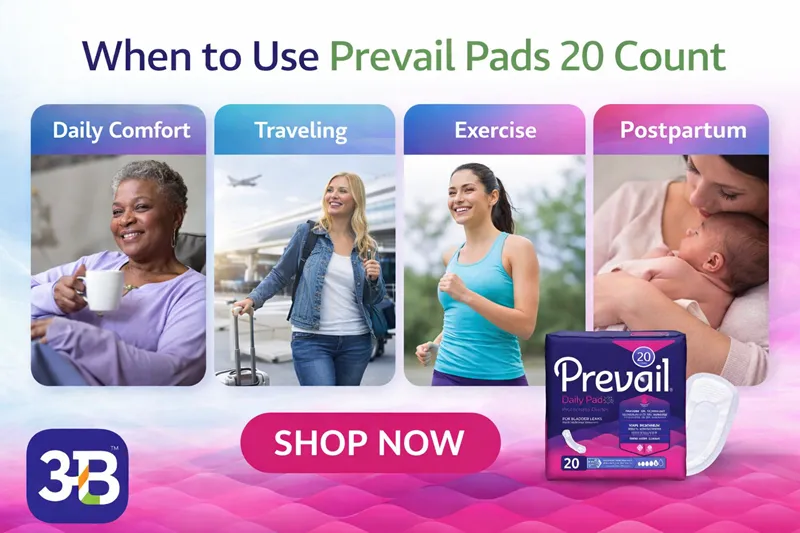
Women after pregnancy, elderly individuals managing bladder sensitivity, and
people recovering from surgery often experience small but frequent leaks that
do not require full diapers. Using a lightweight pad at the right time helps
prevent embarrassment, protects clothing, and maintains personal hygiene
without making the user feel restricted. In Indian households where individuals
prefer discreet solutions, daily pads offer a balance between independence and
protection, allowing users to move freely during routine activities while
maintaining dignity and comfort.
Using Prevail Pads During Light Bladder Leakage in Daily
Life
One of the most common situations where Prevail Pads become
useful is during mild bladder leakage caused by physical movement or sudden
pressure on the abdomen. Actions such as coughing, laughing, walking quickly,
or lifting objects may trigger small leaks, especially among seniors or women
experiencing hormonal changes. Instead of waiting for leakage to become severe,
using a daily pad as a preventive measure helps maintain dryness and confidence
throughout the day. Aarogyaa Bharat recommends these pads for individuals who
want protection during office hours, social outings, or travel without the
heaviness of traditional adult diapers, as the slim design allows them to blend
naturally into everyday clothing.
When to Use Prevail Pads After Surgery or Medical
Treatment
Recovery periods following surgery, physiotherapy, or
certain medical treatments often bring temporary bladder sensitivity, making
daily pads a practical support solution. Patients recovering from abdominal
surgery, pelvic procedures, or neurological conditions may experience
occasional leakage while regaining mobility. Prevail Pads provide a gentle,
breathable layer that protects skin while supporting independence during
rehabilitation. Caregivers in Indian home-care environments often prefer daily
pads during recovery stages because they are easy to change and less intrusive
than heavy incontinence products. Using the right protection during healing
reduces anxiety for patients, allowing them to focus on recovery without
worrying about hygiene issues.
Using Prevail Pads for Active Seniors and Independent
Living
Many elderly individuals remain active and prefer
lightweight solutions that do not restrict movement or make them feel dependent
on caregivers. Prevail Pads are especially useful for seniors who attend social
gatherings, perform daily prayers, or go for short walks but want extra
protection against unexpected leaks. The breathable design helps prevent heat
build up, which is important for long hours of wear in India’s climate. Aarogyaa
Bharat highlights that daily pads allow seniors to maintain dignity and independence,
encouraging continued participation in family and community activities without
fear of embarrassment.
Table: Common Situations Where Prevail Pads 20 Count Are
Useful
|
Situation |
Why Use
Prevail Pads |
Comfort
Advantage |
Protection
Level |
|
Light bladder
leakage |
Prevents
stains and odor |
Slim and
discreet |
Light-Moderate |
|
Post-surgery
recovery |
Supports
healing phase |
Gentle on
skin |
Moderate |
|
Office or
travel use |
Maintains
confidence |
Lightweight
design |
Light |
|
Active senior
lifestyle |
Encourages
independence |
Breathable
materials |
Light |
|
Physiotherapy
sessions |
Handles
movement-related leaks |
Secure
placement |
Moderate |
When Prevail Pads Are Ideal for Working Professionals and
Travel
For professionals who spend long hours commuting or working
in office environments, even occasional leakage can create discomfort and
distraction. Prevail Pads offer a discreet solution that allows users to focus
on daily responsibilities without constantly worrying about hygiene. The slim
profile ensures that pads remain invisible under formal clothing, making them
suitable for meetings, travel, or extended outdoor activities. Individuals
traveling on long journeys often prefer daily pads as a backup protection
layer, ensuring comfort during unpredictable situations where access to
restrooms may be limited.
Using Prevail Pads for Post-Pregnancy and Hormonal
Changes
Post-pregnancy recovery and menopause-related changes can
weaken pelvic muscles, leading to mild urinary leakage during everyday
movements. Many women hesitate to adopt incontinence products because they
associate them with aging, but daily pads provide a modern and discreet
alternative that fits seamlessly into daily life. Prevail Pads help maintain
hygiene and confidence during this transitional phase, allowing women to resume
normal routines such as childcare, work, or exercise without anxiety. Aarogyaa Bharat
encourages early adoption of appropriate hygiene solutions, as managing light
leakage effectively prevents discomfort and promotes long-term well-being.
When Not to Use Prevail Pads and When to Consider
Alternatives
While Prevail Pads 20 Count are effective for light to
moderate incontinence, they may not provide sufficient protection for heavy
leakage or overnight use. Individuals who are bedridden or experiencing
continuous high-volume leakage may require adult diapers or pull-up pants for
better absorption capacity. Understanding these limitations helps users choose
the right product for their needs rather than relying on a single solution for
all situations. Aarogyaa Bharat advises assessing daily routines, mobility
levels, and leakage frequency before deciding whether daily pads alone are
enough or should be combined with other protective products.
Table: Prevail Pads vs Other Incontinence Solutions
|
Product
Type |
Best Use
Case |
Comfort
Level |
Absorption
Strength |
When to
Choose |
|
Prevail Pads
20 Count |
Light daily
leakage |
Very High |
Light-Moderate |
Daytime use |
|
Pull-Up Pants |
Moderate
leakage |
High |
Moderate |
Active
mobility |
|
Adult Diapers |
Heavy
incontinence |
Medium |
High |
Overnight or
bedridden |
|
Under pads |
Surface
protection |
N/A |
Supportive |
Bed/chair
safety |
Hygiene Practices While Using Prevail Pads Regularly
Using daily pads effectively requires maintaining proper
hygiene habits to protect skin health and ensure comfort throughout the day.
Users should replace pads periodically even if leakage appears minimal, as
prolonged moisture can lead to irritation. Cleaning and drying the area before
applying a new pad helps maintain freshness and prevents rashes. Caregivers
assisting elderly individuals should check for redness or discomfort during
routine changes and adjust usage frequency accordingly. Proper disposal by
wrapping the used pad before discarding maintains cleanliness in shared living
environments, which is particularly important in Indian households.
Emotional Confidence and Lifestyle Benefits of Using
Prevail Pads at the Right Time
Choosing to use daily incontinence protection at the right
stage is not only a physical decision but also an emotional one. Many
individuals delay using pads due to hesitation or stigma, which can lead to
unnecessary stress and discomfort. Prevail Pads allow users to manage bladder
sensitivity discreetly, helping them stay socially active and emotionally
confident. Aarogyaa Bharat believes that normalizing the use of incontinence
solutions encourages healthier routines and improves overall quality of life, especially
for seniors and individuals balancing busy lifestyles.
Conclusion
Prevail Pads 20 Count are a practical solution for
individuals seeking discreet protection during light to moderate bladder
leakage. Knowing when to use these pads helps maximize comfort, maintain
hygiene, and support independence in everyday life. From active seniors and
working professionals to post-pregnancy recovery and rehabilitation phases,
these pads offer a lightweight alternative to heavy incontinence products.
Aarogyaa Bharat continues to promote informed healthcare choices by guiding
users toward solutions that enhance confidence, dignity, and long-term
well-being.