Introduction: Freedom Beyond Stairs
For millions of people around the world, stairs represent more than just steps they symbolize a daily obstacle that limits independence, safety, and confidence. Whether due to aging, disability, injury, or chronic illness, climbing up and down stairs can be physically exhausting and emotionally discouraging. In many Indian homes and healthcare facilities, where elevators are not always available, this challenge becomes even more serious.
An automatic staircase wheelchair is a revolutionary mobility solution that bridges this gap. Designed to safely transport individuals up and down staircases without physical strain, this device restores freedom of movement and dignity to those with limited mobility. In this complete guide, we explore what an automatic staircase wheelchair is, who can benefit from it the most, and how it can transform everyday life for users and caregivers alike.
What Is an Automatic Staircase Wheelchair?
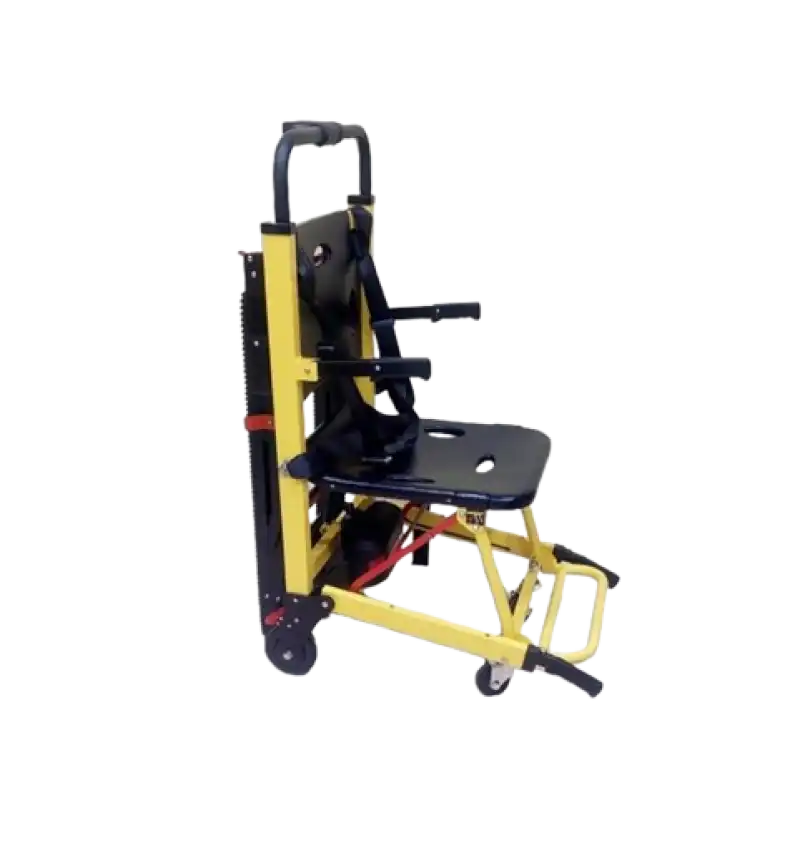
An automatic staircase wheelchair is a specialized motorized mobility device engineered to help users ascend and descend stairs safely, smoothly, and effortlessly. Unlike traditional wheelchairs that require ramps or elevators, this advanced wheelchair uses motorized tracks, anti-slip treads, and intelligent braking systems to grip stair edges and maintain balance throughout movement.
Most models are equipped with rechargeable batteries, ergonomic seating, adjustable headrests, and built-in safety belts to ensure both comfort and stability. Advanced versions also feature obstacle-detection sensors, tilt protection, and speed regulators that adapt movement according to stair angle and user weight.
These wheelchairs are ideal for homes, hospitals, nursing facilities, rehabilitation centers, and public buildings where stair accessibility is a concern. They are especially valuable in multi-story homes where installing lifts or elevators is impractical or prohibitively expensive.
Who Can Benefit from an Automatic Staircase Wheelchair?
Elderly Individuals
As people age, mobility naturally declines due to weaker muscles, joint stiffness, arthritis, reduced bone density, and balance issues. For many seniors, climbing stairs becomes one of the most dangerous daily activities, often leading to falls, fractures, or long-term hospitalizations.
An automatic staircase wheelchair allows elderly users to move between floors without physical strain or fear of slipping. It restores independence, eliminates dependence on others, and significantly reduces the risk of fall-related injuries. Seniors can continue living in their own homes comfortably without needing to relocate or modify their living space extensively.
People with Disabilities
Individuals living with physical disabilities such as paralysis, spinal cord injuries, muscular dystrophy, multiple sclerosis, cerebral palsy, or limb impairments face constant barriers in stair-based environments. For them, stairs often represent complete inaccessibility.
An automatic staircase wheelchair empowers disabled individuals to regain control over their movement. It provides a safe, reliable, and dignified way to navigate staircases independently, improving mental well-being and social inclusion. This technology helps bridge the accessibility gap in homes, workplaces, and public spaces.
Patients Recovering from Surgery or Injury
Post-surgery patients and individuals recovering from fractures, knee replacements, hip surgeries, spinal procedures, or severe injuries often struggle with stair climbing during rehabilitation. Forcing stair usage too early can delay healing, worsen pain, or lead to reinjury.
An automatic staircase wheelchair offers a gentle and controlled way to move between floors during the recovery phase. It reduces physical stress, promotes faster healing, and minimizes the risk of accidental falls. This makes it an ideal short-term or long-term solution for patients undergoing rehabilitation.
Caregivers and Family Members
Caregivers who assist elderly or disabled individuals frequently experience physical exhaustion, back pain, and joint strain due to repeated lifting and manual transfers on stairs. Over time, this can lead to serious musculoskeletal injuries.
Using an automatic staircase wheelchair dramatically reduces caregiver burden. It eliminates the need for manual lifting, improves safety during patient transfers, and lowers the emotional stress associated with mobility assistance. This allows caregivers to focus on emotional support and medical care rather than physical strain.
Hospitals and Rehabilitation Centers
Healthcare facilities constantly deal with patients who face mobility challenges. Moving patients safely between floors, departments, or therapy rooms can be logistically difficult without proper equipment.
By incorporating automatic staircase wheelchairs, hospitals and rehabilitation centers can improve accessibility, enhance patient safety, and streamline internal transport processes. These wheelchairs also reduce staff workload and minimize injury risks for healthcare workers.
People Living in Multi-Story Homes
Many Indian households are built across multiple floors without elevators or stairlifts. For individuals with limited mobility, this means being confined to a single floor or considering relocation.
An automatic staircase wheelchair eliminates the need for expensive home renovations like installing lifts or ramps. It provides a flexible, portable, and cost-effective mobility solution that allows users to enjoy their entire home without restrictions.
Key Features of an Automatic Staircase Wheelchair
Automatic staircase wheelchairs are packed with advanced safety and comfort features designed for reliable daily use:
-
Motorized Tracks: Ensure smooth and controlled stair navigation
-
Battery-Powered Operation: Enables cordless mobility and extended usage
-
Automatic Braking System: Prevents slipping and sudden movements
-
Anti-Slip Treads: Maintains grip on all stair types
-
Safety Sensors: Detect obstacles and maintain balance
-
Ergonomic Seating: Provides superior comfort and posture support
-
Foldable Design: Allows easy storage and portability
-
Adjustable Headrest & Armrests: Enhances user comfort
-
Seat Belt Harness: Ensures complete safety during movement
How to Choose the Right Automatic Staircase Wheelchair
Assess Mobility Needs
Start by understanding the user’s physical condition, degree of mobility limitation, and long-term requirements. Some users need occasional assistance, while others may require daily stair navigation.
Check Weight Capacity
Always verify the wheelchair’s maximum load-bearing capacity. Choosing a model that comfortably supports the user’s weight ensures better performance, longer lifespan, and enhanced safety.
Prioritize Safety Features
Look for wheelchairs with essential safety mechanisms such as automatic brakes, seat belts, anti-slip tracks, obstacle sensors, and tilt protection. These features significantly reduce accident risks.
Evaluate Battery Life
A long-lasting battery ensures uninterrupted use throughout the day. Opt for models that offer extended battery backup and quick charging capabilities.
Consider Portability and Storage
Choose a foldable, lightweight model that can be stored easily when not in use. This is especially important for homes with limited space or for users who travel frequently.
Conclusion: A Life-Changing Mobility Investment
An automatic staircase wheelchair is not just a piece of equipment it is a gateway to freedom, dignity, and independence. Whether for seniors, disabled individuals, post-surgery patients, or caregivers, this innovative mobility solution transforms daily living by eliminating one of the biggest accessibility barriers: stairs.
With its advanced safety features, ergonomic comfort, and effortless operation, an automatic staircase wheelchair makes multi-story living safe and stress-free. It is a smart, long-term investment for anyone facing mobility challenges.
If you or a loved one could benefit from this life-changing solution, explore the best automatic staircase wheelchair models available at Aarogyaa Bharat today and take the first step toward a more accessible and independent life.