A Human Story Behind Every Medical Need
In every family, healthcare is not just a system or a
service it is an emotional journey that often begins suddenly and unexpectedly.
One moment life feels normal, and the next moment everything changes because of
an illness, accident, or medical emergency. It could be an elderly father who
suddenly struggles to breathe, a mother recovering after surgery, or a child
who needs continuous medical support at home. In such moments, families do not
just need treatment they need strength, stability, and reliable medical support
to keep life moving forward. This is where medical equipment becomes deeply
important. It is not just about machines or devices; it becomes a lifeline that
supports breathing, movement, monitoring, and recovery. But for many families
in India, the biggest challenge is not only the medical condition itself, but
the rising cost of managing care after hospital discharge. Affordable medical
equipment becomes a bridge between hospital treatment and safe home recovery,
ensuring that no family is forced to compromise on care due to financial
pressure.
Healthcare Does Not End in Hospitals
A common misunderstanding is that healthcare ends when a
patient is discharged from the hospital, but in reality, that is where the most
important phase of recovery begins. After leaving the hospital, patients often
require continuous monitoring, physical support, and medical assistance at
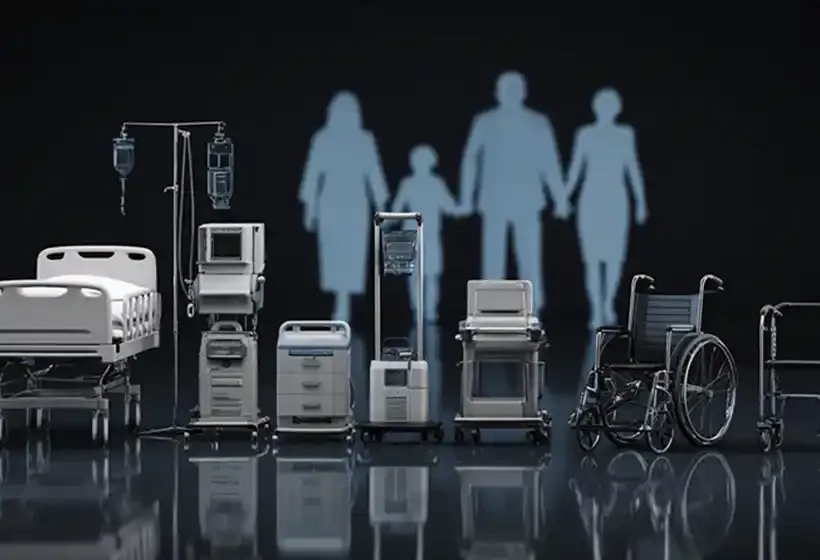
home. This may include oxygen concentrators for breathing support, hospital
beds for comfort and positioning, wheelchairs for mobility, nebulizers for
respiratory care, or simple monitoring devices like blood pressure machines and
pulse oximeters. These tools are not optional they are essential for safe
recovery. However, when these devices are expensive or difficult to access,
families are forced into a difficult situation where they must choose between
financial stress and proper care. Affordable medical equipment removes this
barrier and ensures that recovery continues smoothly at home, where emotional
comfort, family support, and familiar surroundings significantly improve
healing outcomes.
The Financial Pressure on Families
In India, healthcare expenses can quickly become
overwhelming, especially when unexpected medical emergencies occur. A single
hospitalization can affect months or even years of savings, and the financial
burden does not always end after discharge. Many patients require ongoing care
at home, which includes purchasing or renting essential medical equipment. For
families living in small towns, semi-urban regions, or rural areas, this cost
can feel even more challenging due to limited income sources and accessibility
issues. As a result, some families delay purchasing equipment, compromise on
quality, or try to manage without proper tools often risking the patient’s
health. Affordable medical equipment plays a critical role here by reducing
financial pressure and allowing families to focus on recovery rather than cost.
It ensures that proper care is not limited to those who can afford expensive
solutions but is available to every family in need.
Home Becomes the Real Recovery Centre
Once a patient returns home, the entire environment becomes
a part of the healing process. Unlike hospitals, where care is structured and
clinical, home offers emotional warmth, family presence, and psychological
comfort all of which play a powerful role in recovery. However, without proper
medical equipment, home care can become unsafe or incomplete. Affordable
medical devices help transform a normal household into a safe and functional
recovery space. A simple adjustable bed can improve comfort and prevent
complications, oxygen support can stabilize breathing conditions, and mobility
aids can restore independence for patients recovering from injuries or
surgeries. When families can access these tools without financial strain, home
care becomes more effective, more dignified, and emotionally supportive,
allowing patients to heal faster and with greater confidence.
Elderly Care Depends on Accessibility
India’s elderly population is growing rapidly, and with age
comes increasing healthcare needs. Many senior citizens live with chronic
conditions such as diabetes, hypertension, respiratory issues, or mobility
limitations that require long-term care. In such situations, medical equipment
becomes an essential part of daily life rather than a temporary solution.
However, affordability plays a crucial role in determining whether families can
provide proper care. Items like wheelchairs, walkers, oxygen concentrators,
hospital beds, and monitoring devices help elderly individuals maintain
independence and dignity while staying at home with their families. When these
tools are affordable, families are able to care for their elders with
confidence rather than stress, ensuring that senior citizens receive both
medical support and emotional comfort in their own homes.
Emergency Care Starts at Home
Medical emergencies rarely come with warning, and in many
situations, the first few minutes before reaching a hospital are the most
critical. Having essential medical equipment at home can make a significant
difference during such moments. Devices like oxygen concentrators, pulse
oximeters, and nebulizers can stabilize a patient’s condition before
professional medical help arrives. In emergencies involving breathing
difficulty, sudden weakness, or post-surgery complications, quick access to
such equipment can even save lives. When these devices are affordable, more
families are prepared for unexpected situations instead of being helpless
during crises. This preparedness creates a stronger, safer, and more resilient
healthcare environment at the household level.
Reducing Hospital Dependency
Hospitals are essential for treatment and critical care, but
they should not remain the only place where recovery happens. When patients are
stable but still require monitoring, home-based care becomes a more practical
and comfortable solution. Affordable medical equipment makes this transition
possible by enabling safe recovery outside hospital settings. This reduces
overcrowding in hospitals, allowing medical professionals to focus on critical
and emergency cases. At the same time, it gives patients the comfort of
recovering in their own homes, surrounded by family and emotional support. This
balance between hospital care and home care strengthens the overall healthcare
system and improves efficiency across the board.
Emotional Healing Is Just as Important
Recovery is not only a physical process it is also deeply
emotional. Patients often experience fear, anxiety, and uncertainty during
illness. Being in a hospital environment for long periods can sometimes
increase emotional stress. Home care supported by proper medical equipment
allows patients to stay close to their loved ones, which significantly improves
emotional well-being. Family support creates a sense of safety and reassurance
that directly contributes to faster healing. Affordable medical equipment
ensures that emotional care and medical care can work together, making recovery
more complete and human-centred.
Technology Is Making Equipment More Accessible
Over the past few years, advancements in healthcare
technology have significantly improved the accessibility of medical equipment.
Better manufacturing processes, digital healthcare platforms, and streamlined
supply chains have helped reduce costs and increase availability. Today, more
families can access essential devices without facing extreme financial
pressure. This technological shift is not just improving affordability it is
also improving awareness and availability in smaller towns and rural regions.
As healthcare continues to evolve, technology will play a key role in making
quality medical equipment more accessible to every household.
Equal Healthcare for Every Family
Healthcare should never be a privilege limited by income or
geography. Every family, whether living in a metro city or a remote village,
deserves equal access to essential medical support. Affordable medical
equipment is a step toward building this equality. It ensures that recovery and
care are not dependent on financial strength but on need. When healthcare
becomes accessible to all, it creates a more balanced society where no family
is left vulnerable during medical emergencies. This equality is essential for
building a stronger and healthier nation.
Building a Healthier Future for India
Affordable medical equipment is not just about solving
today’s healthcare challenges it is about shaping a healthier future for the
country. When families have access to essential healthcare tools, recovery
becomes faster, disease management improves, and long-term healthcare outcomes
become stronger. It reduces pressure on hospitals, improves home care quality,
and strengthens the overall healthcare ecosystem. A healthier India is built on
the foundation of empowered families who can take care of their loved ones with
confidence, dignity, and proper medical support.
Conclusion
Affordable medical equipment is a silent but powerful force in healthcare. It brings hospital-level care into homes, reduces financial stress, improves recovery outcomes, and restores dignity to families during some of life’s most difficult moments. When medical support becomes affordable and accessible, healthcare becomes truly human-centred. It ensures that every family regardless of income or location has the ability to care for their loved ones safely and confidently. In the journey toward a healthier India, affordability is not just a feature; it is the foundation of compassionate healthcare.