



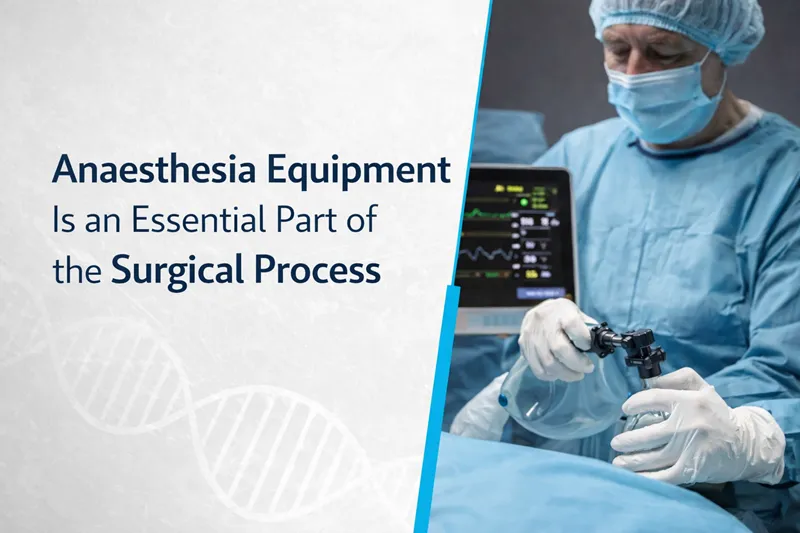
In every operation theatre, anaesthesia equipment works continuously in the background while playing a decisive role in surgical success. It supports controlled loss of sensation, muscle relaxation, airway management, and real-time monitoring of vital functions. Even the most advanced surgical techniques and highly skilled surgeons depend on reliable anaesthesia systems to operate safely. This makes anaesthesia equipment a non-negotiable pillar of surgical infrastructure.
As healthcare advances and surgical procedures become more complex, anaesthesia equipment has evolved into highly sophisticated and integrated systems. Modern anaesthesia workstations combine drug delivery, ventilation, and patient monitoring into a single platform, allowing anaesthesiologists to manage patient physiology with precision. Anaesthesia equipment is therefore not just supportive machinery, but a core clinical system that safeguards patient life during surgery.
Role of Anaesthesia Equipment in Surgery
The primary role of anaesthesia equipment is to ensure that patients remain unconscious, pain free, and physiologically stable during surgical procedures. By delivering precisely controlled doses of anaesthetic agents, these systems allow surgeons to operate without causing discomfort, distress, or trauma to the patient.
Anaesthesia equipment also supports oxygen delivery and ventilation, ensuring that vital organs receive adequate oxygen throughout the procedure. Muscle relaxation provided through anaesthesia is essential for many surgeries, including abdominal, orthopaedic, and thoracic procedures. This controlled environment allows surgeons to work with accuracy while minimizing patient movement and risk. The coordinated functioning of anaesthesia equipment directly contributes to surgical precision and patient safety.
Importance of Patient Safety and Continuous Monitoring
Patient safety is central to anaesthesia care, and anaesthesia equipment is designed to continuously monitor critical parameters such as heart rate, blood pressure, oxygen saturation, respiratory rate, and airway pressure. Real-time monitoring allows anaesthesiologists to detect even subtle physiological changes and respond immediately.
Modern anaesthesia systems include alarms, fail-safe mechanisms, and backup features that enhance safety during unexpected events. These safeguards ensure consistent anaesthesia delivery even in challenging conditions. Reliable monitoring and safety features make anaesthesia equipment indispensable in reducing surgical risk and preventing complications.
Key Components of Anaesthesia Equipment
Anaesthesia equipment consists of several integrated components that work together to support safe surgical anaesthesia. Anaesthesia machines deliver accurate mixtures of anaesthetic gases and oxygen. Ventilators assist or fully control breathing when patients are unable to breathe independently under anaesthesia.
Other essential components include vaporizers, breathing circuits, gas scavenging systems, and advanced patient monitoring devices. Each element plays a specific role in ensuring precise drug delivery, effective ventilation, and a safe operating theatre environment. The seamless integration of these components is essential for smooth surgical workflow.
Use of Anaesthesia Equipment Across Surgical Settings
Anaesthesia equipment is used in a wide range of surgical environments, including major operation theatres, minor procedure rooms, emergency surgery units, and day-care surgical centers. Large hospitals rely on advanced anaesthesia workstations for complex and long-duration surgeries, while smaller clinics use compact systems for short and minimally invasive procedures.
Emergency and trauma care settings require anaesthesia equipment that can be deployed rapidly and perform reliably under pressure. Portable and adaptable systems support critical interventions where time is limited. This flexibility allows anaesthesia equipment to meet the demands of diverse healthcare settings.
Supporting Advanced and Minimally Invasive Surgery
Modern surgical techniques such as laparoscopic and robotic surgery place additional demands on anaesthesia equipment. These procedures require precise control of ventilation, muscle relaxation, and patient positioning. Advanced anaesthesia systems are designed to meet these requirements while maintaining stable vital functions.
By supporting minimally invasive procedures, anaesthesia equipment contributes to reduced surgical trauma, faster recovery, and shorter hospital stays. This aligns with modern healthcare goals of improving outcomes while enhancing efficiency and patient satisfaction.
Reliability, Quality, and Compliance Standards
Anaesthesia equipment directly impacts patient safety, making quality and reliability non-negotiable. Equipment must comply with strict medical and regulatory standards and perform consistently under continuous use. Regular maintenance, calibration, and performance testing are essential to ensure safe operation.
Healthcare facilities must invest in high-quality anaesthesia equipment that meets international safety standards. Poor-quality or poorly maintained systems can lead to serious complications. Reliability and compliance are therefore critical considerations in equipment selection.
Training and Expertise in Anaesthesia Equipment Use
Advanced anaesthesia equipment requires skilled professionals for safe operation. Anaesthesiologists and anaesthesia technicians undergo extensive training to understand equipment behavior, drug interactions, and patient responses. Proper training ensures that equipment capabilities are used effectively and safely.
Ongoing education helps healthcare teams stay updated with evolving anaesthesia technology. When skilled professionals work with reliable equipment, surgical care becomes safer, more efficient, and more predictable.
Role of Aarogyaa Bharat in Anaesthesia Equipment
Aarogyaa Bharat supports hospitals, surgical centers, and healthcare institutions by enabling access to quality-assured anaesthesia equipment from verified manufacturers. The platform focuses on providing systems that meet clinical, safety, and regulatory standards required in modern surgical care.
By simplifying procurement and offering transparent product information, Aarogyaa Bharat helps healthcare providers select anaesthesia equipment suited to their surgical volume and complexity. This strengthens operation theatre readiness and enhances patient safety.
Future of Anaesthesia Equipment in Surgery
The future of anaesthesia equipment is driven by automation, digital integration, and enhanced patient monitoring. Smart anaesthesia workstations with advanced sensors and data analytics are improving precision and reducing human error. Integration with electronic health records and surgical systems supports more coordinated care.
As surgeries become more complex and patient expectations rise, anaesthesia equipment will continue to evolve to support safer and more personalized anaesthesia delivery. Innovation will remain focused on improving outcomes, efficiency, and patient protection.
Conclusion
Anaesthesia equipment is an essential part of the surgical process because it ensures patient comfort, safety, and physiological stability throughout operations. By enabling pain-free surgery, supporting vital functions, and providing continuous monitoring, anaesthesia systems make modern surgical care possible. From routine procedures to complex operations, reliable anaesthesia equipment remains a cornerstone of surgical success and patient trust.





