Understanding Pool Therapy and Its Role in Rehabilitation
Pool therapy works on the principle that water fundamentally
changes how the body experiences movement. When a person is immersed in water,
their effective body weight is reduced significantly, which immediately
decreases stress on joints, bones, and connective tissues. This allows
movements that may be painful or impossible on land to become manageable and
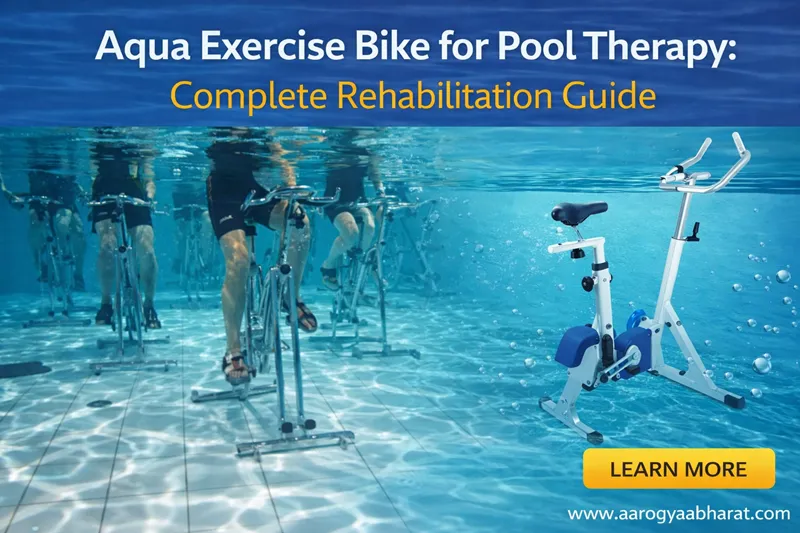
comfortable in water. Aqua exercise bikes leverage this principle by
introducing a repetitive, rhythmic cycling motion that promotes joint mobility,
muscle activation, and cardiovascular engagement. Pool therapy is especially
valuable during early rehabilitation stages, where gentle movement is essential
but impact must be avoided at all costs.
How Aqua Exercise Bikes Enhance Pool Therapy Outcomes
Unlike free-form aquatic exercises, aqua exercise bikes
provide structured, repeatable movement that can be precisely controlled. The
cycling motion targets major muscle groups in the legs, hips, and core while
maintaining joint alignment. Water resistance adds gentle, uniform load in all
directions, which strengthens muscles without sudden strain. Because resistance
increases naturally with speed, patients can self-regulate intensity without
complex adjustments. This makes aqua exercise bikes suitable for a wide range
of users, from early-stage rehab patients to those progressing toward higher
endurance and strength goals.
Benefits of Aqua Exercise Bikes in Early-Stage
Rehabilitation
Early-stage rehabilitation is one of the most critical
phases of recovery, as improper movement or excessive load can delay healing or
cause setbacks. Aqua exercise bikes allow patients to begin movement earlier
than traditional land-based exercises because water support reduces pain and
instability. Gentle cycling improves blood circulation, prevents muscle
atrophy, and maintains joint flexibility during this vulnerable period. For
patients recovering from fractures, ligament injuries, or major surgeries, early
aquatic cycling often accelerates the transition from immobility to functional
movement.
Use in Post-Surgical Pool Therapy Programs
Post-surgical rehabilitation frequently includes aqua
exercise bikes as part of structured pool therapy programs. After knee
replacement, hip replacement, spinal surgery, or ligament repair, patients
often struggle with stiffness, swelling, and fear of movement. In water, these
barriers are significantly reduced. Aqua exercise bikes allow controlled
range-of-motion exercises that protect surgical sites while encouraging gradual
strength recovery. The smooth pedalling action minimizes joint compression and
helps restore confidence, which is just as important as physical healing during
post-surgical recovery.
Role in Arthritis and Chronic Joint Conditions
Arthritis and chronic joint conditions are among the most
common reasons people turn to pool therapy. On land, repetitive exercise often
aggravates joint pain due to impact and load-bearing stress. In water, buoyancy
reduces joint pressure while movement stimulates synovial fluid circulation,
which lubricates joints naturally. Aqua exercise bikes are particularly
effective for arthritis patients because cycling keeps joints moving through a
safe, predictable path. Over time, regular aquatic cycling reduces stiffness,
improves flexibility, and helps manage chronic pain without reliance on
aggressive medication.
Neurological Rehabilitation and Motor Control Training
Pool therapy is widely used in neurological rehabilitation
for conditions such as stroke recovery, Parkinson’s disease, multiple
sclerosis, and balance disorders. Aqua exercise bikes provide a stable
environment where patients can focus on coordinated movement without fear of
falling. The rhythmic pedalling motion helps retrain neural pathways, improve
muscle coordination, and build endurance. Water resistance slows movement
slightly, giving patients more time to control their actions, which is especially
beneficial during motor relearning phases.
Aqua Exercise Bikes for Elderly Rehabilitation and Active
Aging
As people age, maintaining mobility becomes essential for
independence and quality of life. However, pain, balance issues, and fear of
injury often discourage elderly individuals from exercising. Aqua exercise
bikes address these concerns by offering a safe, supportive environment where
seniors can exercise comfortably. Regular pool therapy using aqua bikes
improves circulation, strengthens muscles, supports joint health, and enhances
overall stamina. For elderly users, this translates into better balance, reduced
fall risk, and greater confidence in daily movement.
Psychological Benefits of Pool Therapy with Aqua Bikes
Rehabilitation is not only a physical process but also a
psychological journey. Many patients feel frustrated or discouraged when
progress on land is slow or painful. Pool therapy changes this experience by
making movement feel easier and more natural. Aqua exercise bikes provide a
sense of achievement even in early sessions, which boosts motivation and
adherence to therapy programs. The calming properties of water also reduce
stress and anxiety, helping patients approach rehabilitation with a more positive
mindset.
Cardiovascular Conditioning Through Aquatic Cycling
Aqua exercise bikes are not limited to musculoskeletal
rehabilitation; they also provide effective cardiovascular conditioning. Water
resistance increases heart rate without requiring high-impact effort, making
aquatic cycling suitable for individuals with limited exercise tolerance. This
is particularly valuable for patients recovering from illness or surgery who
need to rebuild endurance gradually. Regular aquatic cycling improves heart
health, lung capacity, and overall energy levels while remaining gentle on
joints.
Customizing Pool Therapy Programs with Aqua Exercise
Bikes
One of the strengths of aqua exercise bikes is their
adaptability to different rehabilitation goals. Therapists can adjust session
duration, pedalling speed, water depth, and posture to suit individual needs.
Early-stage patients may begin with short, slow sessions focused on mobility,
while advanced users can increase intensity for strength and endurance
training. This flexibility allows aqua exercise bikes to remain useful
throughout the entire rehabilitation journey rather than being limited to a single
phase.
Conditions That Benefit from Aqua Exercise Bike Pool
Therapy
|
Condition
or need |
What Aqua
Exercise Bikes Help |
|
Post-surgical
recovery |
Enables
early, safe movement |
|
Arthritis and
joint pain |
Reduces
stiffness and pain |
|
Neurological
rehabilitation |
Improves
coordination and control |
|
Elderly
mobility decline |
Supports
safe, active aging |
|
Muscle
weakness |
Builds
strength with low impact |
|
Cardiovascular
deconditioning |
Improves
endurance safely |
Pool Environment Considerations for Effective Therapy
The success of pool therapy depends not only on the
equipment but also on the pool environment itself. Water temperature should be
comfortable, often slightly warm, to promote muscle relaxation and reduce
stiffness. The pool depth must match the design of the aqua exercise bike to
ensure proper posture and stability. Non-slip pool surfaces and safe entry
points are essential for preventing accidents. A well-prepared pool environment
enhances the therapeutic value of aqua exercise bikes and ensures consistent
results.
Safety Guidelines for Using Aqua Exercise Bikes in
Therapy
Although pool therapy is generally safe, proper guidelines
must be followed to avoid overexertion or injury. Patients should always begin
sessions under professional supervision, especially during early
rehabilitation. Gradual progression in intensity prevents fatigue and strain.
Adequate hydration, rest intervals, and monitoring of pain levels are
important, even in water-based exercise. Following safety protocols ensures
that aqua exercise bikes deliver benefits without unintended risks.
Long-Term Rehabilitation and Lifestyle Integration
One of the greatest advantages of aqua exercise bikes is
their suitability for long-term use. Unlike some rehabilitation tools that are
used only temporarily, aquatic cycling can become part of a lifelong fitness
and wellness routine. Many patients continue using aqua exercise bikes even
after formal rehabilitation ends, transitioning seamlessly into maintenance and
preventive exercise. This long-term integration supports sustained mobility,
pain management, and overall health.
Pool Therapy vs Land-Based Therapy Using Exercise Bikes
|
Aspect |
Land-Based
Cycling |
Aqua
Exercise Bike Therapy |
|
Joint impact |
High |
Very low |
|
Pain during
exercise |
Common |
Minimal |
|
Fall risk |
Present |
Reduced |
|
Early rehab
suitability |
Limited |
Excellent |
|
Long-term
adherence |
Moderate |
High |
Why Aqua Exercise Bikes Are a Future-Ready Rehabilitation
Tool
With increasing focus on non-invasive, patient-friendly
rehabilitation methods, aqua exercise bikes represent a future-ready solution.
They align with modern healthcare goals of reducing pain, improving outcomes,
and encouraging patient participation. For Indian rehabilitation centers,
senior living facilities, and even private homes with pools, aqua exercise
bikes offer a versatile and effective therapy option that meets diverse needs
across age groups and conditions.
Conclusion
Aqua exercise bikes have transformed pool therapy into a
structured, effective, and highly adaptable rehabilitation approach. By
combining the natural benefits of water with controlled cycling motion, they
enable safe recovery, pain-free movement, and long-term physical improvement.
From post-surgical rehabilitation and arthritis management to neurological
recovery and elderly fitness, aqua exercise bikes serve as a comprehensive
solution for modern rehabilitation needs. When integrated into well-designed pool
therapy programs, they support faster recovery, better adherence, and improved
quality of life for patients at every stage of healing.