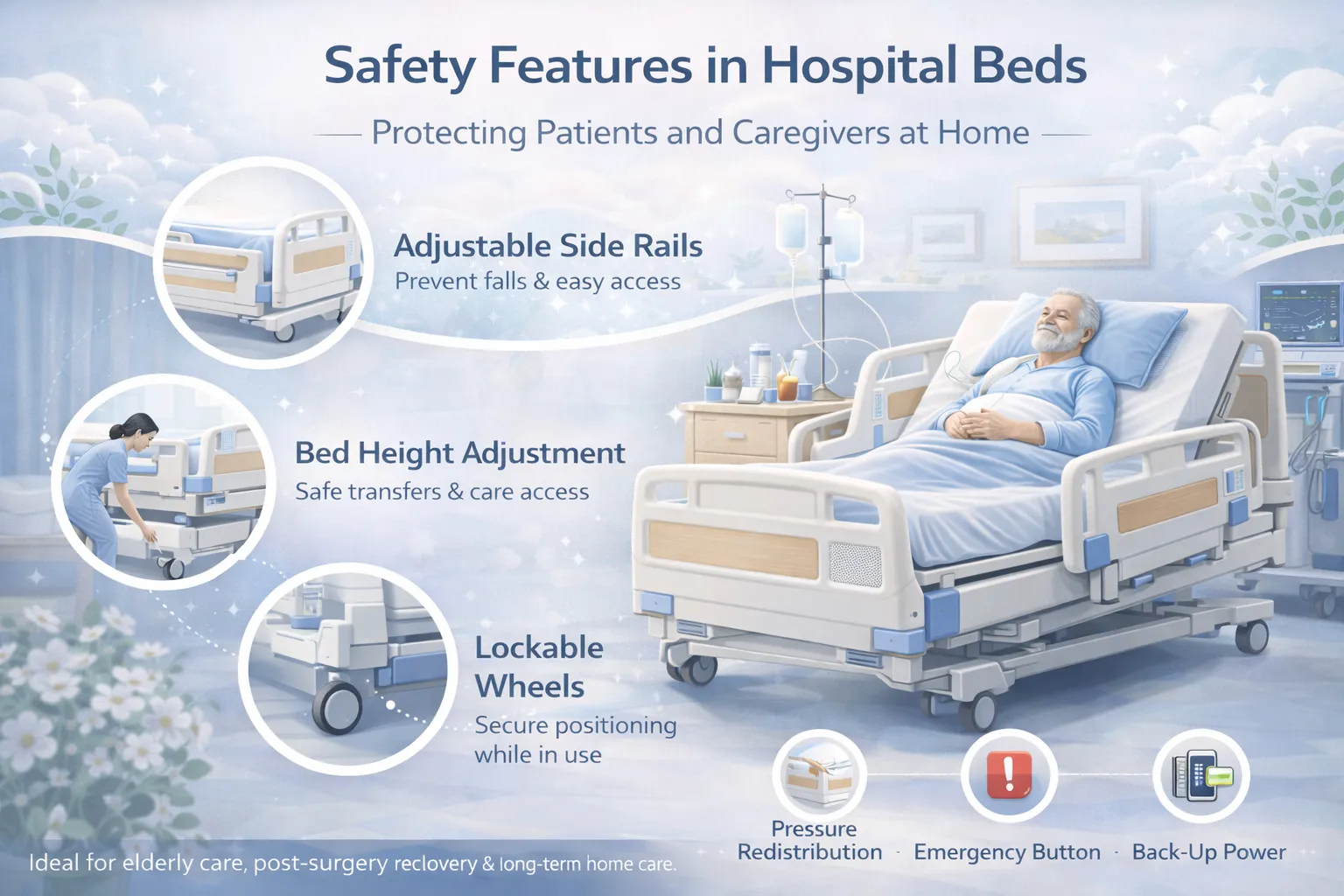
Why Home Rehabilitation Demands a Dedicated Therapy Table
Many families initially attempt home physiotherapy on beds,
sofas, or dining tables, assuming these surfaces are “good enough.” In reality,
such improvisations compromise recovery. Beds are too soft and low, sofas are
uneven, and dining tables are unsafe and inflexible. These surfaces prevent
correct posture, restrict therapist movement, and increase the risk of falls or
strain. A foldable physical therapy table is specifically designed to replicate
clinical conditions at home. It provides the correct height, firmness, and
stability needed for professional-grade therapy, ensuring that home
rehabilitation is not a diluted version of clinic-based care but an equally
effective alternative.
The Unique Advantage of Foldable Tables in Indian Homes
Indian homes often face space constraints, shared living
areas, and multi-purpose rooms. A permanent therapy setup is rarely practical.
Foldable physical therapy tables solve this problem by offering flexibility
without compromise. They can be set up when therapy is needed and folded away
neatly afterward, preserving living space while maintaining rehabilitation
consistency. This adaptability makes foldable tables particularly suitable for
Indian households, where therapy must coexist with daily family life rather
than disrupt it.
How a Foldable Therapy Table Improves Recovery Outcomes
Recovery is not just about exercises it is about repetition,
consistency, and correct execution. A foldable physical therapy table enables
therapists to perform manual therapy, stretching, mobilization, massage,
electrotherapy, and assisted exercises with precision. Patients feel more secure
and comfortable, which allows muscles to relax and respond better to treatment.
Over weeks and months of rehabilitation, this improved quality compounds into
faster progress, fewer setbacks, and better long-term outcomes.
Importance of Height Adjustability in Home Rehabilitation
Height adjustability is one of the most critical features in
a home therapy table. Therapists vary in height, and patients vary in mobility
levels. An adjustable table allows therapists to work at an ergonomic height,
reducing back and shoulder strain during repeated sessions. For patients,
especially elderly or post-surgery individuals, correct height makes getting on
and off the table safer and less intimidating. Over long rehabilitation
programs, proper height adjustment directly impacts safety, comfort, and
therapy effectiveness.
Stability: The Non-Negotiable Requirement
In home rehabilitation, stability is not optional it is
essential. Any wobble or flex during therapy can cause anxiety, pain, or even
injury. The best foldable physical therapy tables feature reinforced frames,
secure locking mechanisms, and wide leg bases that distribute weight evenly.
This stability allows therapists to apply controlled pressure and perform
mobilization techniques confidently. For patients with balance issues,
neurological conditions, or fear of movement, a stable table provides psychological
reassurance that supports active participation in therapy.
Weight Capacity and Inclusivity in Home Care
Home rehabilitation serves people of all body types,
including overweight and bariatric patients. A foldable therapy table with
adequate weight capacity ensures safety for everyone in the household who may
need therapy, now or in the future. Underestimating weight capacity can lead to
structural failure or long-term damage to the table. Choosing a high-capacity
table future-proofs the investment and ensures inclusive, worry-free home care.
Padding Quality and Its Effect on Patient Compliance
Comfort plays a surprisingly large role in rehabilitation
success. Poor padding causes discomfort, pressure points, and muscle guarding,
which reduces therapy effectiveness. High-quality foldable physical therapy
tables use dense, supportive foam that maintains alignment while cushioning the
body. Comfortable patients relax more fully, tolerate longer sessions, and
respond better to treatment. Over time, this improves compliance and
consistency, which are critical factors in successful home rehabilitation.
Portability for Visiting Therapists and Caregivers
In many home rehabilitation scenarios, therapists visit
multiple patients each day. A foldable physical therapy table that is easy to
carry, quick to set up, and secure in transit makes a significant difference.
Lightweight construction combined with sturdy materials ensures portability
without sacrificing strength. For families who rely on visiting therapists, a
portable table enables professional-quality care without logistical challenges.
Safety Features That Matter in Home Settings
Homes are not controlled clinical environments, which makes
safety features even more important. Anti-slip feet prevent movement on tiled
or marble floors common in Indian homes. Rounded corners reduce injury risk,
and secure locking systems prevent accidental folding during use. These design
details may seem minor, but they significantly reduce accidents and anxiety
during therapy sessions, especially when elderly or neurologically impaired
patients are involved.
Versatility Across Different Home Therapy Needs
The best foldable physical therapy tables are versatile
enough to support multiple therapy types. From orthopaedic rehabilitation and
post-surgical recovery to neurological therapy, massage, and pain management,
one well-chosen table can serve many purposes. This versatility is particularly
valuable in-home settings, where equipment must justify its space and cost by
serving multiple needs over time.
What Makes a Foldable Therapy Table Ideal for Home
Rehabilitation
|
Feature |
Why It Is
Important at Home |
|
Foldable
design |
Saves space
in small homes |
|
Adjustable
height |
Improves
safety and ergonomics |
|
High
stability |
Prevents
accidents |
|
Quality
padding |
Enhances
comfort and compliance |
|
High weight
capacity |
Inclusive and
future-proof |
|
Easy cleaning |
Maintains
hygiene |
Impact on Caregiver and Family Involvement
Home rehabilitation often involves family members assisting
with exercises or transfers. A foldable physical therapy table provides a safer
environment for caregivers as well. Proper height and stability reduce physical
strain on family members, lowering the risk of caregiver injury. When
caregivers feel confident and safe, they are more likely to support therapy
consistently, which directly benefits patient recovery.
Cost Versus Value in Home Rehabilitation Equipment
While foldable physical therapy tables vary in price,
evaluating them purely on cost is misleading. Cheaper tables may compromise on
stability, padding, or safety, leading to poor outcomes or early replacement. A
high-quality table offers long-term value by supporting years of therapy,
multiple users, and varied rehabilitation needs. When viewed as a long-term
home healthcare investment, the right table often proves far more economical
than repeated clinic visits or compromised recovery.
Hygiene and Maintenance in Daily Home Use
Home rehabilitation tables must be easy to clean and
disinfect, especially for post-surgery or immune-compromised patients. Durable
upholstery that resists sweat, oils, and cleaning agents ensures hygiene
without frequent wear and tear. Easy maintenance reduces caregiver burden and
helps maintain professional standards of care at home.
Long-Term Role Beyond Active Rehabilitation
A foldable physical therapy table continues to be useful
even after formal rehabilitation ends. Many individuals use it for stretching,
mobility exercises, pain management routines, or preventive care. Elderly
family members may need intermittent therapy in the future. Having a reliable
table at home ensures readiness for ongoing health needs without scrambling for
equipment later.
Home Rehabilitation With vs Without a Foldable Therapy
Table
|
Aspect |
Without
Proper Table |
With
Foldable Therapy Table |
|
Therapy
quality |
Inconsistent |
Professional-grade |
|
Safety |
Compromised |
High |
|
Patient
comfort |
Variable |
Optimized |
|
Therapist
effectiveness |
Limited |
Maximized |
|
Recovery
consistency |
Poor |
Strong |
Choosing the Best Table for Your Home Situation
The “best” foldable physical therapy table is not the same
for everyone. Homes with limited space may prioritize lightweight and compact
folding. Homes with elderly or bariatric patients should prioritize stability
and weight capacity. Families expecting long-term rehabilitation should focus
on durability and padding quality. Understanding your specific home
rehabilitation needs ensures that you choose a table that genuinely supports
recovery rather than just occupying space.
Conclusion
A foldable physical therapy table is one of the most
important investments you can make for successful home rehabilitation. It
transforms ordinary homes into safe, professional therapy environments where
recovery can happen consistently and confidently. By offering stability,
comfort, adjustability, and flexibility, the right table supports better
outcomes for patients, therapists, and caregivers alike. For families serious
about recovery, independence, and long-term mobility, choosing the best
foldable physical therapy table for home rehabilitation is not a luxury it is a
necessity.
Portable foldable therapy tables have become a cornerstone of modern physiotherapy, home rehabilitation, and mobile healthcare services. Designed to deliver clinical-grade stability while remaining easy to transport and store, these tables enable safe, effective therapy in homes, clinics, workplaces, and on the move. This very detailed guide by Aarogyaa Bharat explains the features and benefits of portable foldable therapy tables, how they improve therapy outcomes, why they matter for Indian home care and mobile physiotherapy, and how the right table supports long-term recovery, therapist well-being, and patient confidence.