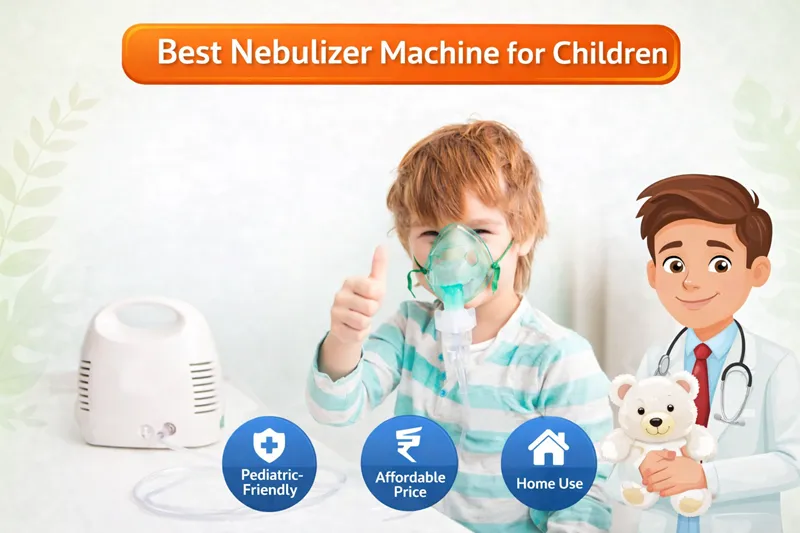
A nebulizer provides fast, effective respiratory relief by delivering medicine directly into the lungs in the form of a fine mist that a child can inhale naturally. Unlike inhalers, which require correct timing, breath control, and coordination that young children often struggle with, nebulizers work passively. The child simply needs to breathe normally while wearing a soft mask, making the therapy far less stressful and more effective. This is especially important for infants, toddlers, and anxious children who panic during breathlessness episodes and refuse inhaler use.
In Indian households, where dust, air pollution, seasonal
infections, and viral outbreaks are common, paediatric respiratory conditions
are increasing every year. Parents are now investing in home nebulizers to
avoid late-night emergency hospital visits and ensure immediate treatment
during asthma attacks or severe coughing fits. A well-chosen nebulizer can
significantly reduce hospitalization risk and improve a child’s long-term
respiratory health.
At Aarogyaa Bharat - Live Healthy, Live Better, we regularly
help parents choose the best nebulizer machine for children based on age,
condition severity, noise sensitivity, safety features, and long-term
durability. In this in-depth guide, you will learn what makes a nebulizer
child-friendly, which type is best for paediatric use, how to compare features,
how to use it safely at home, and how to choose the most value-for-money
nebulizer for your child in India.
Why Children Need a Dedicated Nebulizer Machine
Children’s lungs are smaller, more sensitive, and more prone
to inflammation than adult lungs, which makes respiratory illnesses more
dangerous and unpredictable in paediatric patients. Conditions such as asthma,
bronchiolitis, pneumonia, allergic rhinitis, and recurrent chest infections
often require rapid medication delivery to prevent complications. A nebulizer
machine for children ensures that medicine reaches deep into the lungs quickly
and effectively without requiring complex breathing techniques.
Young children frequently struggle with inhalers because
they cannot coordinate inhalation timing or generate strong enough airflow to
activate the medication properly. As a result, much of the medicine gets wasted
in the mouth instead of reaching the lungs. Nebulizers solve this problem by
delivering medication continuously over several minutes, allowing children to
inhale it effortlessly while breathing normally.
Another important reason children need dedicated nebulizers
is emotional comfort. During breathlessness episodes, children often panic,
cry, or resist medical devices, which worsens breathing difficulty. Nebulizers
with soft masks, low noise levels, and child-friendly designs reduce fear and
make therapy sessions more calming. This psychological comfort plays a major
role in treatment effectiveness.
For parents, having a nebulizer at home offers peace of mind
and medical preparedness. Instead of rushing to hospitals at odd hours, parents
can start nebulization immediately when symptoms appear. This early
intervention often prevents severe asthma attacks, reduces infection severity,
and speeds up recovery for children.
What Is a Nebulizer Machine and How It Helps Children
A nebulizer machine is a medical device that converts liquid
medication into a fine aerosol mist that can be inhaled directly into the
lungs. This mist carries medicine deep into the respiratory tract, helping
relax airway muscles, reduce inflammation, loosen mucus, and improve airflow.
Paediatricians commonly prescribe nebulizers for childhood asthma, wheezing
disorders, bronchiolitis, pneumonia, and allergic respiratory conditions.
For children, nebulizers are especially helpful during acute
respiratory episodes when oral medicines or inhalers fail to provide fast
relief. Nebulization allows higher and more controlled medication doses, making
it ideal for emergency management and severe symptoms. Many doctors also
recommend saline nebulization to moisturize airways and relieve nasal
congestion in dry or polluted environments.
Another major advantage of nebulizers is their gentle and
non-invasive nature. Children can use them while sitting comfortably, watching
cartoons, or even sleeping lightly. This reduces treatment resistance and
improves therapy compliance, which is critical for long-term respiratory
management in paediatric patients.
In Indian homes, nebulizers have become essential paediatric
medical devices due to rising pollution levels, viral infections, and
post-COVID respiratory issues in children. Keeping a nebulizer at home ensures
immediate access to therapy, reduces hospital dependency, and provides parents
with confidence during respiratory emergencies.
Types of Nebulizer Machines for Children
1. Compressor Nebulizer for Children
Compressor nebulizers are the most widely used and
recommended nebulizers for paediatric home care. They use compressed air to
convert liquid medicine into mist and are compatible with almost all prescribed
nebulizer medications. This makes them the safest and most versatile option for
long-term use in children.
These nebulizers are highly durable and can handle frequent
daily use without performance loss. Parents of children with chronic asthma or
recurrent chest infections often prefer compressor nebulizers because of their
long lifespan and consistent mist output. They are also more affordable
compared to other nebulizer types, making them accessible for most Indian
households.
However, compressor nebulizers tend to be slightly noisy and
bulky. The noise can sometimes scare young children, especially during
night-time therapy sessions. To overcome this issue, many brands now offer
low-noise paediatric compressor models with attractive cartoon designs to make
therapy more child-friendly.
Overall, compressor nebulizers are best suited for home use,
long-term therapy, and families looking for reliability and affordability. They
remain the most practical and value-for-money choice for most children in
India.
2. Ultrasonic Nebulizer for Children
Ultrasonic nebulizers use high-frequency sound waves to
convert medication into mist. They are much quieter and faster than compressor
nebulizers, making them more comfortable for children who are sensitive to
noise. This low-noise operation is especially helpful during night-time therapy
when parents want to avoid disturbing the child’s sleep.
These nebulizers are compact and visually appealing, which
helps reduce fear and resistance in young children. They also produce finer
mist particles in some models, allowing deeper lung penetration and potentially
faster relief for certain respiratory conditions.
However, ultrasonic nebulizers are not compatible with all
medications, particularly thick suspensions and steroid solutions commonly
prescribed for asthma. This limitation makes them less versatile for long-term
paediatric care. Parents must always confirm medicine compatibility before
purchasing an ultrasonic model.
Ultrasonic nebulizers are also more expensive and delicate
compared to compressor nebulizers. They are best for parents who prioritize
silent operation and faster therapy sessions over universal medication
compatibility.
3. Mesh Nebulizer for Children
Mesh nebulizers represent the most advanced and
child-friendly nebulization technology available today. They use a vibrating
mesh membrane with microscopic holes to create ultra-fine mist particles that
penetrate deep into the lungs. These nebulizers are extremely quiet,
lightweight, and portable, making them ideal for children who need therapy at
school, during travel, or outside the home.
Many mesh nebulizers are battery-operated, allowing cordless
therapy sessions anywhere. They deliver medication more efficiently, reducing
wastage and treatment time. This is particularly beneficial for restless
children who struggle to sit still for long therapy sessions.
Mesh nebulizers are also visually modern and compact, which helps reduce fear and resistance in young users. Parents appreciate their convenience, silent operation, and fast performance, especially during emergency situations.
The main drawback of mesh nebulizers is their higher price
and delicate mesh membrane, which requires careful cleaning to prevent
clogging. Despite the higher cost, they offer unmatched comfort, portability,
and modern usability for paediatric respiratory care.
Nebulizer Comparison Table for Children
|
Feature |
Compressor
Nebulizer |
Ultrasonic
Nebulizer |
Mesh
Nebulizer |
|
Noise Level |
Moderate |
Low |
Very Low |
|
Portability |
Low |
Medium |
High |
|
Medication
Support |
All Types |
Limited |
Most Types |
|
Power Source |
Electric |
Electric |
Battery/Electric |
|
Cost |
Low |
Medium |
High |
|
Best For |
Long-term
home care |
Quiet therapy |
Travel,
toddlers |
Key Features to Look for in the Best Nebulizer for
Children
When choosing the best nebulizer machine for children,
safety should always be the top priority. Look for devices made from
medical-grade plastic with BPA-free components and certified electrical safety
standards. A good paediatric nebulizer should also have soft silicone masks
that fit comfortably on a child’s face without causing skin irritation or
pressure marks.
Noise level is another critical factor, as loud machines can
scare young children and reduce therapy compliance. Low-noise or silent
nebulizers improve comfort and make night-time therapy easier. Portability and
compact size are important for families who travel frequently or need therapy
on the go.
Durability and build quality matter greatly for long-term
use. Children often require nebulization for months or years, so investing in a
robust nebulizer prevents repeated replacements and repair costs. Accessories
such as paediatric masks, spare filters, carrying cases, and automatic shut-off
features further enhance usability and justify higher prices.
Parents should also consider ease of cleaning, warranty
coverage, and after-sales service. A nebulizer that is easy to maintain ensures
better hygiene and reduces infection risk. Always choose a trusted medical
brand with proper certification and customer support.
How to Choose the Best Nebulizer for Your Child in India
Choosing the right nebulizer depends on your child’s age,
medical condition, therapy frequency, noise sensitivity, and lifestyle needs.
Infants and toddlers benefit most from silent or low-noise nebulizers such as
mesh or ultrasonic models. Older children with chronic asthma may be better
served by durable compressor nebulizers that offer universal medication
compatibility.
Families on a budget should prioritize certified compressor
nebulizers from trusted medical brands. These models offer the best balance of
affordability, durability, and medical reliability. For frequent travellers or
working parents who need therapy outside the home, investing in a mesh
nebulizer is worthwhile due to its portability and silent operation.
Always consult your paediatrician before finalizing a
nebulizer purchase. The doctor can recommend the most suitable type based on
the prescribed medications and the child’s condition severity. Avoid cheap
unbranded nebulizers, as they often deliver inconsistent mist and pose safety
risks.
At Aarogyaa Bharat, we provide personalized nebulizer
recommendations based on your child’s medical needs, budget, and long-term care
plan. Our goal is to ensure that every child receives safe, effective, and
stress-free respiratory therapy at home.
How to Use a Nebulizer Machine for Children at Home
Using a nebulizer correctly is essential for maximum
therapeutic benefit and child safety. Start by washing your hands thoroughly
before handling the device. Pour the prescribed medication into the nebulizer
cup and assemble all components securely. Make sure the tubing is properly
connected to the compressor or power unit.
Sit your child upright in a comfortable position and gently
place the mask over their nose and mouth. Ensure a snug but gentle fit to
prevent mist leakage. Switch on the nebulizer and encourage your child to
breathe normally while the mist is being delivered.
During therapy, distract your child with cartoons, toys, or
storytelling to reduce anxiety and restlessness. Avoid talking excessively or
removing the mask repeatedly, as this can reduce medication effectiveness. Most
sessions last between 5 and 15 minutes depending on the medication volume.
After use, switch off the machine and disassemble all parts
for cleaning. Regular and correct usage ensures faster symptom relief and
prevents complications caused by improper medication delivery.
Nebulizer Maintenance and Cleaning Tips for Children
Proper cleaning is essential to prevent bacterial growth and
ensure safe nebulization for children. After every use, wash the medication cup
and mask with warm water and mild soap. Rinse thoroughly and allow all parts to
air dry completely before the next session.
Once a week, disinfect the nebulizer parts using a
vinegar-water solution or manufacturer-recommended disinfectants. Never wash
the compressor or electronic unit with water, as this can damage internal
components. Replace air filters periodically to maintain airflow efficiency and
mist quality.
Parents should inspect nebulizer parts regularly for cracks,
discoloration, or mold build-up. Damaged parts should be replaced immediately to
prevent infections and ensure safe therapy. Always store the nebulizer in a
clean, dust-free container after drying.
Teaching older children basic cleaning habits also helps
build long-term hygiene awareness. Proper maintenance not only extends the
nebulizer’s lifespan but also protects your child from respiratory infections.
Safety Tips When Using a Nebulizer for Children
Always use only doctor-prescribed medication and never mix
medicines without medical advice. Ensure that children use nebulizers under
adult supervision at all times. Never leave an infant or toddler alone during
nebulization therapy.
Avoid tilting the medication cup during therapy, as this can
affect mist formation and medication delivery. Make sure the nebulizer is
placed on a stable, flat surface during operation. Keep electrical cords away
from water and curious hands.
If your child experiences dizziness, chest tightness, severe
coughing, or increased breathlessness during therapy, stop immediately and
consult a doctor. Never force a child to continue therapy if they appear
distressed or uncomfortable.
Following these safety guidelines ensures a smooth,
risk-free nebulization experience and protects your child’s respiratory health.
Nebulizer Price Range in India for Children
|
Nebulizer
Type |
Price
Range (₹) |
|
Compressor |
1,500 - 4,500 |
|
Ultrasonic |
3,000 - 7,000 |
|
Mesh |
4,000 -
10,000+ |
Prices vary depending on brand, features, warranty coverage,
and accessories. Investing in a reliable nebulizer within these ranges ensures
long-term value and better health outcomes for children.
Conclusion
For most Indian households, a compressor nebulizer offers the best balance
of affordability, durability, and medication compatibility for children.
Parents who prioritize silent operation should consider an ultrasonic nebulizer
in the mid-range price segment. Families who travel frequently or have very
young children will benefit most from a premium mesh nebulizer due to its
portability and quiet performance.
At Aarogyaa Bharat, we believe that the right nebulizer is
not just about price it is about child safety, treatment effectiveness, and
long-term reliability. Our goal is to help parents make confident and medically
sound purchasing decisions for paediatric respiratory care.
Need Help Choosing the Best Nebulizer for Your Child?
At Aarogyaa Bharat, we help parents choose the safest and
most cost-effective nebulizer machine based on the child’s age, condition,
therapy frequency, and lifestyle needs. We provide certified nebulizers, oxygen
concentrators, hospital beds, and complete home-care equipment across India.