At Aarogyaa Bharat - Live Healthy, Live Better, we regularly
guide families who are confused about which nebulizer to buy, how to use it
correctly, and how to maintain it for long-term performance. Many first-time
buyers make mistakes by choosing the cheapest device or an unsuitable type
without understanding compatibility with prescribed medicines. These mistakes
can reduce treatment effectiveness and even lead to infections or device
failure.
In this complete guide, you will learn what a nebulizer
machine is, how it works, which type is best for home use, how to choose the
right model in India, how to use it safely, and how to clean it properly for
maximum health benefits. Whether you are a caregiver, a patient, or a
first-time buyer, this article will help you make an informed and confident
decision.
What Is a Nebulizer Machine?
A nebulizer machine is a medical device designed to convert
liquid medication into a fine aerosol mist that can be inhaled directly into
the lungs. This mist penetrates deep into the respiratory tract, delivering
medicine precisely where it is needed to reduce airway inflammation, loosen
mucus, and improve airflow. Doctors commonly prescribe nebulizers for asthma,
COPD, bronchitis, pneumonia, allergic reactions, and other chronic or acute
respiratory conditions.
Unlike inhalers, which require proper hand-breath
coordination, nebulizers operate passively. The patient only needs to breathe
normally through a mask or mouthpiece while the machine does the work of mist
generation. This makes nebulizers extremely useful for infants, elderly
patients, bedridden individuals, and people who struggle with inhaler
technique. In severe breathing distress, nebulizers also allow higher and more
controlled medication doses compared to inhalers.
Another important advantage of nebulizers is their
versatility. They can be used with a wide range of medications, including
bronchodilators, steroids, saline solutions, and antibiotics (as prescribed).
This flexibility makes nebulizers a preferred choice for both emergency
treatment and long-term respiratory management. Many hospitals rely on
nebulization therapy as a first-line treatment for acute asthma attacks.
In Indian homes, nebulizers have become essential medical
devices due to rising pollution levels, increasing respiratory illnesses, and
post-COVID lung complications. Keeping a nebulizer at home ensures immediate
access to therapy, reduces hospital visits, and offers peace of mind during
respiratory emergencies.
Why Use a Nebulizer at Home?
Home nebulizer machines have gained massive popularity in
India due to growing awareness about respiratory health and the need for early
intervention. With increasing air pollution, pollen exposure, and industrial
emissions, asthma and chronic respiratory conditions are affecting people
across all age groups. A home nebulizer allows patients to start treatment
immediately when symptoms appear, preventing complications and hospital
admissions.
For families living in remote areas or congested cities,
reaching a hospital quickly during a respiratory emergency can be challenging.
A nebulizer at home eliminates this risk by enabling instant medication
delivery. This is especially beneficial for elderly patients who may have
limited mobility and children who panic during breathlessness episodes.
Doctors also recommend home nebulizers for long-term
management of chronic respiratory diseases such as COPD and bronchial asthma.
Regular nebulization helps keep airways open, reduces mucus build-up, and
improves lung capacity over time. This leads to better symptom control, fewer
flare-ups, and improved quality of life.
From a financial perspective, owning a nebulizer reduces
repeated hospital visits and emergency room charges. It also ensures better
compliance with prescribed treatment plans. For families caring for patients
with long-term respiratory conditions, a nebulizer is a cost-effective and
medically sound investment.
Who Needs a Nebulizer Machine?
Nebulizers are commonly prescribed for a wide range of
respiratory conditions that affect both children and adults. Asthma patients
often use nebulizers during acute attacks or when inhalers fail to provide
adequate relief. COPD patients rely on nebulization to keep airways open and
reduce chronic mucus accumulation, especially during flare-ups.
Post-COVID patients frequently experience lingering
breathlessness, chest tightness, and reduced lung capacity. Doctors often
recommend nebulizers for saline therapy and bronchodilator medications to
support lung recovery and improve oxygen flow. This has significantly increased
nebulizer demand in Indian households after the COVID-19 pandemic.
Children with bronchiolitis, recurrent chest infections, or
wheezing disorders benefit greatly from nebulizers because they can inhale
medicine effortlessly through a paediatric mask. Elderly patients with weak
lungs, arthritis, or coordination difficulties also find nebulizers easier to
use than inhalers.
Even patients with sinus congestion, allergic rhinitis, and
nasal blockage may be advised saline nebulization to improve nasal airflow and
breathing comfort. In such cases, a nebulizer becomes a versatile home-care
tool for both upper and lower respiratory conditions.
How Does a Nebulizer Machine Work?
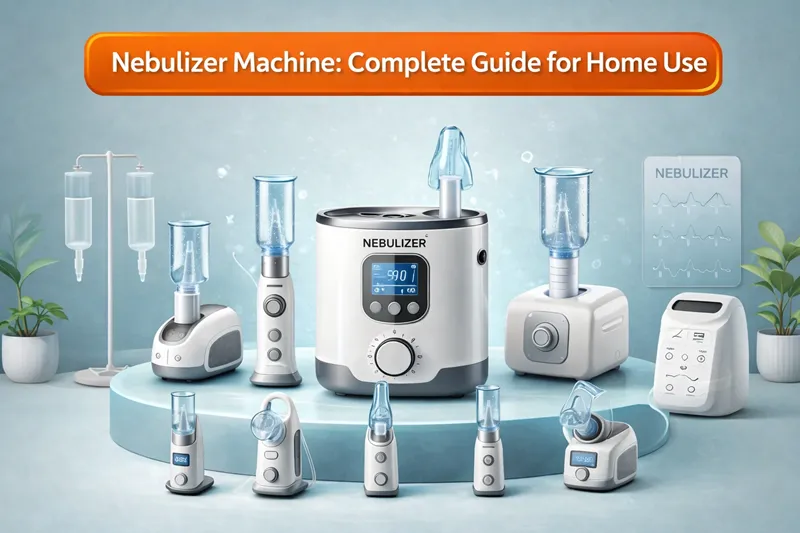
A nebulizer machine consists of three main components: a
compressor unit, a medication cup, and a mask or mouthpiece. The compressor
generates pressurized air that passes through a narrow tube into the medication
cup. This airflow breaks the liquid medicine into microscopic droplets, forming
a fine mist.
The mist travels through the tubing into the mask or
mouthpiece, which the patient inhales. The medication then reaches deep into
the lungs, offering faster and more effective relief compared to oral
medications. This targeted delivery system minimizes side effects and maximizes
therapeutic benefits.
The entire nebulization process typically takes between 5
and 15 minutes depending on the medication volume, nebulizer type, and airflow
rate. During this time, the patient sits upright and breathes normally. There
is no need for special breathing techniques, making nebulization suitable for
all age groups.
Modern nebulizers are designed for efficiency, safety, and
ease of use. Many models include automatic shut-off features, noise reduction
technology, and child-friendly designs. These improvements have made nebulizers
more user-friendly and accessible for home use.
Types of Nebulizer Machines for Home Use
1. Compressor Nebulizer
Compressor nebulizers are the most widely used nebulizers in
Indian households due to their affordability and reliability. They use
compressed air to convert liquid medicine into mist and are compatible with
almost all nebulizer medications. This makes them the safest choice for
long-term home therapy.
These nebulizers are durable and can withstand frequent
daily use without performance loss. Families caring for asthma or COPD patients
often prefer compressor models because of their long lifespan and consistent
mist output.
However, compressor nebulizers tend to be bulkier and
noisier compared to other types. The noise can sometimes be uncomfortable for
children and elderly patients, especially during night-time use. Despite this,
their cost-effectiveness and universal compatibility make them the most popular
option.
Overall, compressor nebulizers are best suited for home use,
paediatric patients, and individuals requiring frequent nebulization sessions.
2. Ultrasonic Nebulizer
Ultrasonic nebulizers use high-frequency sound waves to
convert medication into mist. They are quieter and faster than compressor
nebulizers, making them more comfortable for night-time therapy and sensitive
users.
These nebulizers are compact and aesthetically pleasing,
which appeals to modern households. They also produce finer mist particles,
allowing deeper lung penetration in some cases.
However, ultrasonic nebulizers are not compatible with all
medications, especially thick suspensions and steroid solutions. This limits
their medical versatility compared to compressor models.
They are also more expensive and delicate, making them less
ideal for rough daily use. Ultrasonic nebulizers are best for users who
prioritize silence and faster therapy sessions.
3. Mesh Nebulizer
Mesh nebulizers represent the latest advancement in
nebulization technology. They use a vibrating mesh membrane with microscopic
holes to create ultra-fine mist particles.
These nebulizers are extremely quiet, lightweight, and
portable, making them ideal for travel, elderly patients, and office use. Many
models are battery-operated, allowing cordless therapy sessions.
Mesh nebulizers deliver medication more efficiently,
reducing wastage and treatment time. They are also compatible with most
nebulizer medicines.
However, mesh nebulizers are more expensive and require
careful cleaning to prevent mesh blockage. Despite the higher cost, they offer
unmatched convenience and performance for modern users.
How to Choose the Best Nebulizer for Home Use in India
Choosing the right nebulizer machine depends on patient age,
medical condition, frequency of use, and budget. Families with children or
elderly patients should prioritize low noise levels and ease of use.
Patients requiring frequent nebulization should choose
durable compressor nebulizers for long-term reliability. Travelers and working
professionals may benefit more from mesh nebulizers due to portability.
Budget-conscious buyers should look for certified compressor
nebulizers from trusted medical brands. Always check compatibility with
prescribed medicines before purchase.
At Aarogyaa Bharat, we recommend personalized nebulizer
solutions based on medical need and lifestyle.
How to Use a Nebulizer Machine at Home
Nebulizer Maintenance and Cleaning Tips
Safety Tips When Using a Nebulizer at Home
Nebulizer Cost in India (Approximate)
|
Nebulizer
Type |
Price
Range |
|
Compressor |
₹1,500-₹3,500 |
|
Ultrasonic |
₹3,000-₹6,000 |
|
Mesh |
₹4,000-₹10,000 |
Conclusion
For most Indian households, a compressor nebulizer offers the best balance
of affordability, durability, and compatibility.
Mesh nebulizers are ideal for travel and elderly patients.
Ultrasonic nebulizers suit users prioritizing silence.
Aarogyaa Bharat provides certified nebulizers and expert guidance across India.