Understanding Elderly Mobility Challenges in India
Mobility limitations are one of the most common concerns
among elderly individuals, especially when age-related weakness, joint
stiffness, or neurological conditions begin to affect daily movement. A walker
becomes an essential support tool because it provides stability and confidence
while walking, reducing the fear of falling that often leads to reduced
physical activity. Many seniors limit their movement due to discomfort or lack
of support, which can result in muscle stiffness and slower recovery, but using
a walker encourages safe movement and gradual strengthening. Families focusing
on long-term elderly care often explore hospital equipment sections along with
rehabilitation categories to create a safer environment where walkers work
alongside beds, transfer aids, and physiotherapy accessories to support overall
mobility improvement.
Why Walkers Are Important for Daily Independence
Walkers help elderly individuals maintain independence by
allowing them to perform everyday tasks without relying completely on
caregivers. Simple activities like walking to the kitchen, using the bathroom,
or moving between rooms become safer and more manageable with proper support.
Consistent walker usage also improves posture and balance, which contributes to
better physical health and reduces the chances of sudden injuries. Caregivers
often combine walkers with hospital care solutions such as bedside commodes,
anti-slip supports, and patient mobility aids found within healthcare
categories, ensuring that seniors can move confidently while maintaining
dignity and self-reliance.
Different Types of Walkers Available for Seniors
Walkers are designed in multiple styles to suit different
mobility levels, and understanding these variations helps families make
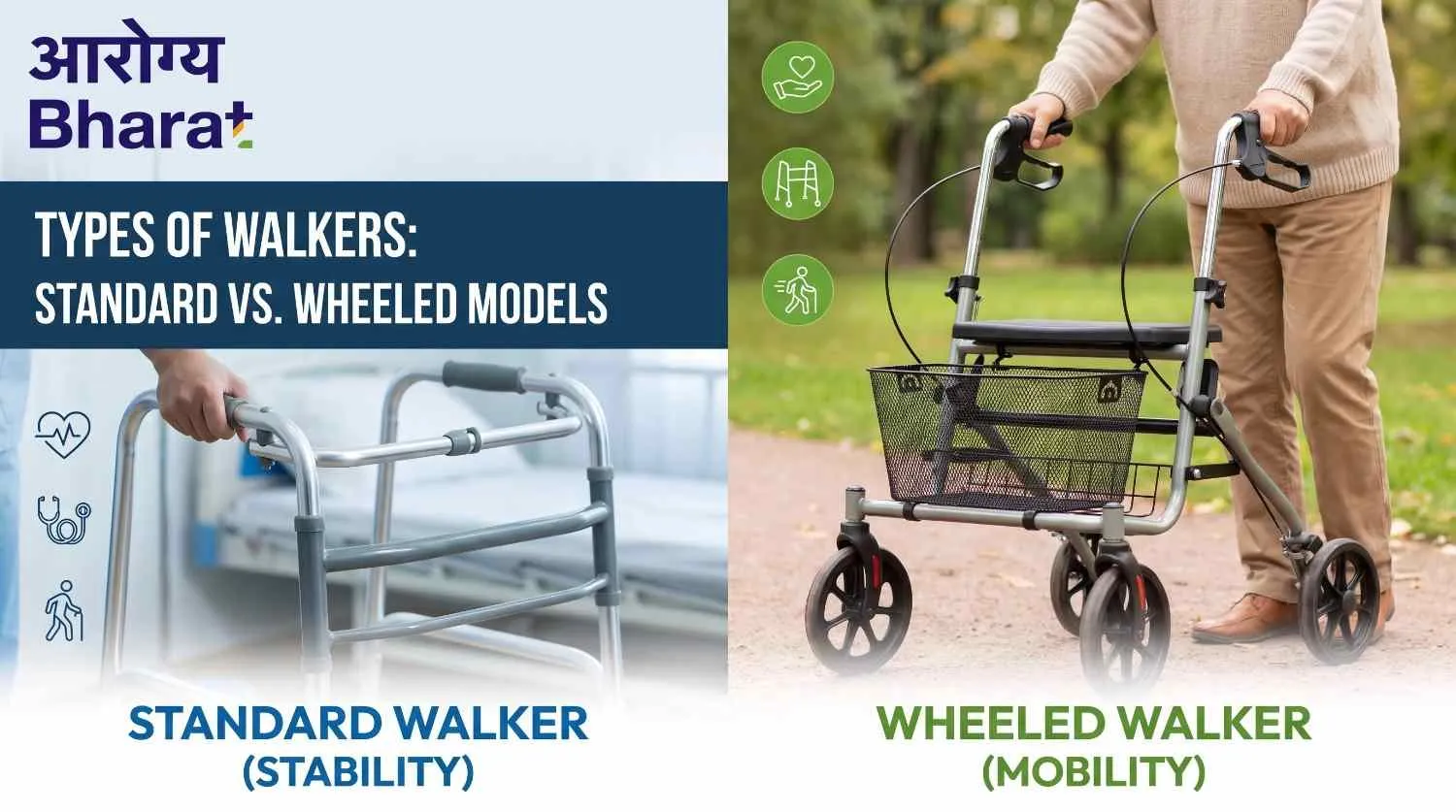
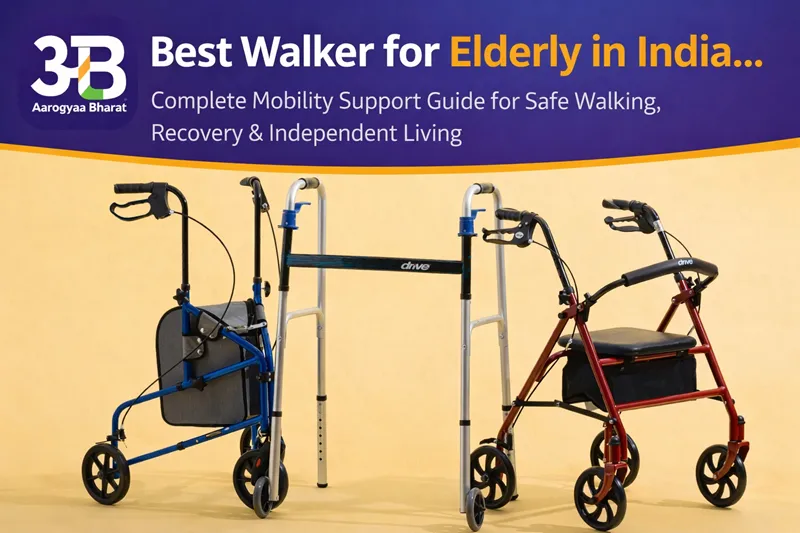
informed decisions. Standard walkers without wheels provide maximum stability
for individuals in early recovery stages, while front-wheel walkers offer
smoother movement for seniors who can walk with moderate support. Rollator
walkers with seats and hand brakes are ideal for active seniors who need
occasional rest during longer walks, and foldable walkers are highly preferred
in Indian homes because they are lightweight and easy to store. Exploring
rehabilitation equipment categories helps caregivers compare walker features
alongside physiotherapy tools, ensuring that mobility solutions align with
individual health needs.
How to Choose the Right Walker Based on Health Condition
Selecting a walker should always depend on the user’s
physical condition, balance level, and recovery stage rather than appearance
alone. Seniors recovering from surgery may require a stable standard walker,
while those with mild mobility issues may benefit from a wheeled walker that
allows smoother walking motion. Individuals dealing with arthritis or chronic
joint pain often prefer lightweight aluminium walkers with ergonomic grips that
reduce strain on wrists and shoulders. Families reviewing hospital equipment
pages and healthcare planning sections can better understand which walker type
suits specific health conditions while ensuring safety and comfort during
everyday use.
Key Features to Look for in the Best Walker
Comfort and durability play a major role when choosing a
walker for elderly users. Adjustable height ensures correct posture and
prevents back pain, while padded hand grips enhance comfort during prolonged
walking sessions. Anti-slip rubber tips or durable wheels provide stability on
smooth flooring surfaces commonly found in Indian homes, reducing the risk of
slipping. Foldable frames make storage easier and allow seniors to carry
walkers during travel or hospital visits. Many caregivers explore healthcare
calculators to evaluate long-term mobility planning and compare equipment
options available within hospital equipment categories to find the best
combination of safety and functionality.
Walker Types and Ideal Usage Comparison
|
Walker
Type |
Ideal User
Condition |
Key
Benefits |
Recommended
Usage |
|
Standard
Walker |
Early
recovery or weak balance |
Maximum
stability |
Indoor
rehabilitation |
|
Front Wheel
Walker |
Moderate
mobility support |
Smooth
forward movement |
Daily indoor
walking |
|
Rollator
Walker |
Active
seniors |
Seat and
braking system |
Indoor and
outdoor mobility |
|
Foldable
Walker |
Travel-friendly
requirement |
Lightweight
and compact |
Small homes
and transport |
Benefits of Using a Walker for Fall Prevention
Falls are one of the biggest risks for elderly individuals,
and a walker significantly reduces this risk by providing a strong support base
that improves balance and coordination. Seniors who feel safe while walking are
more likely to remain active, which improves circulation and muscle strength
over time. Regular movement supported by a walker also contributes to faster
recovery after illness or surgery, helping seniors regain confidence in their
physical abilities. Caregivers often combine walkers with hospital safety
accessories like grab bars, anti-slip mats, and bedside rails available within
healthcare categories to create a secure home environment that minimizes
fall-related accidents.
Role of Walkers in Post-Surgery Recovery
After surgery, elderly patients often require additional
support while regaining strength and balance, and a walker becomes a key part
of the recovery process. Controlled movement with a walker allows seniors to
practice walking without placing excessive strain on healing joints or muscles.
Physiotherapists frequently recommend walkers during rehabilitation because
they provide stability while encouraging gradual improvement in mobility.
Families exploring rehabilitation sections often combine walkers with physiotherapy
equipment such as exercise pedals and parallel bars to create a structured
recovery routine that promotes steady progress and safe movement.
Indoor vs Outdoor Walker Usage
Choosing the right walker also depends on where it will be
used most frequently. Indoor walkers usually focus on stability and compact
design, allowing seniors to move easily through narrow spaces and around
furniture. Outdoor walkers often include larger wheels, hand brakes, and seats
that provide comfort during longer walks or visits to parks and markets. Many
caregivers compare mobility aids across hospital equipment pages to ensure that
the selected walker suits both indoor flooring and outdoor surfaces while
maintaining durability and safety during everyday use
Rental vs Purchase Guide for Walkers in India
Deciding whether to rent or purchase a walker depends on the
duration of use and the individual’s health condition. Renting is often
preferred during short-term recovery because it provides access to quality
equipment without a large upfront investment, while purchasing may be more
suitable for long-term mobility needs. Families frequently explore hospital
equipment categories and healthcare planning tools to compare pricing,
maintenance requirements, and durability before making a decision. Healthcare calculators
also help estimate overall expenses when walkers are part of a broader home
care plan that includes beds, wheelchairs, and rehabilitation accessories.
Important Features Checklist Before Final Selection
|
Feature |
Why It
Matters |
What to
Check |
|
Adjustable
Height |
Maintains
correct posture |
Wrist-level
alignment |
|
Frame
Material |
Ensures
durability |
Aluminium or
steel construction |
|
Grip Comfort |
Reduces wrist
strain |
Ergonomic
padded handles |
|
Foldability |
Easy storage
and travel |
Quick folding
mechanism |
|
Wheel Quality |
Smooth
movement |
Anti-slip
durable wheels |
How Walkers Improve Confidence and Emotional Well-Being
Mobility aids do more than provide physical support; they
also improve emotional confidence by allowing seniors to remain active and
independent. Elderly individuals who can walk safely often experience reduced
anxiety because they no longer fear sudden falls or injuries. Regular movement
encourages social interaction and participation in daily activities, which
contributes to better mental health and overall happiness. Caregivers exploring
rehabilitation categories often combine walkers with other supportive equipment
to create a comfortable environment that promotes both physical recovery and
emotional well-being.
Safety Tips for Using a Walker at Home
Proper usage of a walker ensures maximum safety and
long-term durability. The walker height should allow elbows to bend slightly
while holding the handles, promoting a natural walking posture that reduces
strain on shoulders and back. Seniors should walk slowly and avoid sudden
turns, especially on slippery surfaces, while caregivers should regularly
inspect rubber tips and wheel alignment to maintain stability. Creating clear
walking paths and ensuring proper lighting further reduces fall risks. Combining
walkers with hospital support accessories like anti-slip mats and bedside rails
enhances safety and supports independent movement.
Conclusion
Choosing the best walker for elderly individuals in India
plays a crucial role in improving safety, independence, and overall quality of
life. By understanding walker types, evaluating essential features, and
integrating mobility aids with hospital equipment pages, rehabilitation
categories, and healthcare calculators, families can create a comprehensive
home care environment tailored to individual needs. A carefully selected walker
encourages active living, reduces fall risks, and helps seniors maintain dignity
while performing everyday activities.
Aarogyaa Bharat (aarogyaabharat.com) is a trusted Indian healthcare platform dedicated to providing high-quality mobility aids and elderly care equipment designed for safety, comfort, and independence. From lightweight walkers and rollators to wheelchairs and rehabilitation support products, Aarogyaa Bharat ensures medical-grade quality, expert guidance, competitive pricing, and reliable doorstep delivery across India helping seniors and recovering patients walk confidently and live independently at home.