Introduction
Walkers provide essential support for seniors, individuals with disabilities, and people recovering from injuries or surgery. They help users maintain balance, move safely, and regain independence. However, carrying items while using a walker can be difficult and even dangerous, as it takes one or both hands off the walker and disrupts stability. This is where a walker tray becomes a game-changing accessory. A walker tray offers a stable surface to transport food, drinks, medications, books, and personal belongings without compromising balance. By keeping both hands free for safe mobility, it significantly improves daily convenience and confidence. In this detailed guide, we explore what a walker tray is, its key benefits, types, who can benefit from it, and how to choose the best one for your needs.
What Is a Walker Tray?
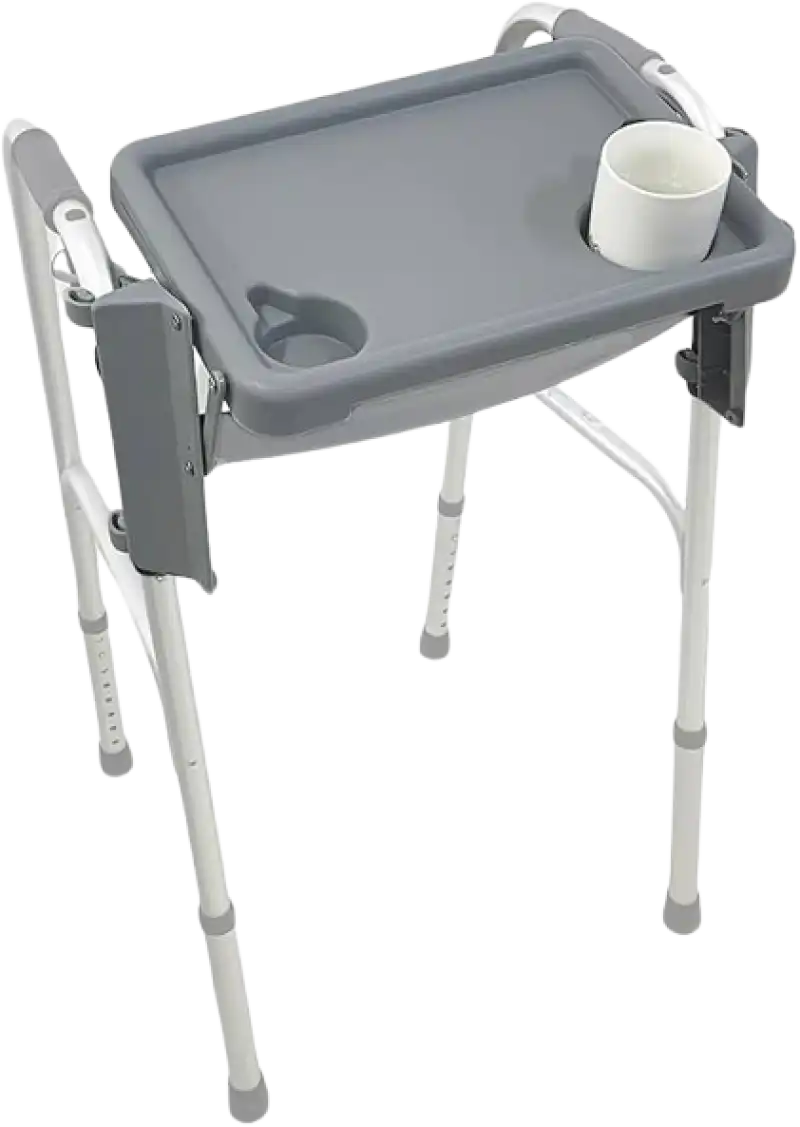
A walker tray is a flat, attachable platform designed to fit securely on top of a walker. It provides a stable surface that allows users to carry everyday essentials while keeping their hands free for balance and movement. Most walker trays are made from lightweight yet durable materials such as plastic or wood and are designed to be easy to attach and remove. Many models also feature raised edges, cup holders, and non-slip surfaces to prevent items from sliding or spilling. Walker trays are compatible with most standard walkers and some rollator walkers, making them a versatile addition to any mobility aid. By transforming a basic walker into a multi-functional support tool, a walker tray greatly enhances user independence and comfort.
Key Features of Walker Trays
Walker trays are thoughtfully designed to improve usability, safety, and convenience. Most high-quality trays are sturdy yet lightweight, ensuring they do not add unnecessary weight to the walker. Raised edges help prevent items such as plates, glasses, or books from slipping off during movement. Built-in cup holders keep drinks secure and reduce the risk of spills. Easy attachment mechanisms allow the tray to be installed or removed without tools, making it user-friendly for seniors and caregivers. Many models are foldable or removable, offering flexibility when the tray is not needed. Together, these features make walker trays a practical and reliable everyday mobility accessory.
Why Every Walker User Needs a Tray
Hands-Free Convenience
Walker users often struggle to carry food, drinks, or personal items while holding onto their mobility aid. A walker tray solves this problem by providing a secure platform to place items, allowing both hands to remain on the walker handles. This greatly improves balance and reduces physical strain. Users can move around their home, hospital, or care facility without worrying about dropping or spilling items. The hands-free convenience offered by a walker tray makes daily tasks such as eating, reading, or medication management far easier and safer.
Increased Independence
One of the biggest advantages of a walker tray is the independence it provides. Users can transport meals, water bottles, books, and medications without relying on caregivers for assistance. This ability to perform everyday tasks on their own helps boost confidence, dignity, and self-esteem. For seniors and individuals with disabilities, even small improvements in independence can have a major positive impact on emotional well-being. A walker tray empowers users to move freely and manage daily routines more comfortably.
Enhanced Safety and Stability
Carrying items in hand while using a walker can disrupt balance and significantly increase the risk of falls. A walker tray provides a stable surface that keeps items secure and evenly distributed. This helps maintain proper posture and balance while walking. Raised edges and non-slip surfaces further enhance safety by preventing objects from sliding or tipping over. By reducing spills, sudden weight shifts, and awkward movements, a walker tray plays an important role in fall prevention.
Makes Mealtime Easier
Mealtime can be particularly challenging for walker users, especially when carrying hot food or drinks from the kitchen to another room. A walker tray allows users to transport meals safely and comfortably. Built-in cup holders keep beverages stable, while raised edges prevent plates and bowls from slipping off. This makes it easier for users to eat independently and reduces the risk of burns or spills. For seniors and post-surgery patients, this added convenience greatly improves daily comfort and confidence.
Reduces Trips Back and Forth
Without a tray, walker users often need to make multiple trips to carry different items one at a time. A walker tray allows users to carry multiple essentials at once, saving time and energy. This is especially beneficial for individuals with limited stamina or chronic fatigue. Fewer trips also reduce physical strain and the risk of accidents. By improving efficiency and conserving energy, a walker tray makes daily routines smoother and less exhausting.
Multipurpose Use
Walker trays are not limited to carrying food and drinks. They can also be used as a small writing desk, bookstand, or medication organizer. Many users place their phone, tablet, or knitting supplies on the tray while moving around. This versatility makes walker trays ideal for hobbies, reading, and light work. By serving multiple purposes, a walker tray adds exceptional value to a standard mobility aid.
Who Can Benefit from a Walker Tray?
Seniors with Limited Mobility
Older adults who struggle with balance and coordination can carry essentials safely without compromising stability. A walker tray reduces the risk of falls and makes everyday movement more comfortable and convenient.
Individuals Recovering from Surgery or Injury
Patients recovering from hip, knee, or spinal surgery often need mobility support while keeping important items within reach. A walker tray helps them move independently during rehabilitation and speeds up recovery by reducing physical strain.
People with Neurological Conditions
Conditions such as Parkinson’s disease, stroke, or multiple sclerosis can cause hand tremors and coordination issues. A walker tray provides a stable surface for transporting fragile items safely, minimizing spills and accidents.
Caregivers and Healthcare Facilities
Hospitals, nursing homes, and assisted living centers can equip walkers with trays to help patients manage daily tasks more easily. This reduces caregiver workload and improves patient independence and satisfaction.
Types of Walker Trays
Snap-On Walker Trays
Snap-on trays attach easily to the walker frame and are lightweight and removable. They are ideal for occasional use and for users who want a simple, no-fuss solution.
Foldable Walker Trays
Foldable trays can be folded down when not in use, making them perfect for users who need flexibility and compact storage. They save space and are convenient for travel and small living areas.
Walker Trays with Cup Holders
These trays feature built-in slots for securing drinks, preventing spills while walking. They are especially useful for seniors who frequently carry beverages.
Non-Slip Walker Trays
Non-slip trays have rubberized or textured surfaces that prevent items from sliding off. They are ideal for carrying fragile or slippery objects safely.
How to Choose the Best Walker Tray
Check Compatibility
Ensure that the tray fits your specific walker model, whether it is a standard walker, folding walker, or rollator walker. Universal-fit trays are a good option if compatibility is uncertain.
Consider the Material
Plastic trays are lightweight, durable, and easy to clean, making them ideal for daily use. Wooden trays offer a classic look but may be heavier and require more maintenance.
Look for Safety Features
Raised edges prevent items from slipping off, while non-slip surfaces secure objects in place during movement. These features are essential for preventing spills and accidents.
Choose a Tray with Cup Holders (If Needed)
If you frequently carry drinks, built-in cup holders are a must. Look for deep and sturdy cup holders to keep beverages stable.
Ease of Installation and Removal
Snap-on or clip-on trays are easy to attach and remove, making them user-friendly for seniors and caregivers. Foldable trays offer added flexibility and space-saving convenience.
Weight Capacity
Ensure the tray can support enough weight without tipping the walker. Most walker trays can safely hold 5 to 10 kg, which is sufficient for everyday essentials.
Tips for Using a Walker Tray Safely
Distribute weight evenly across the tray to avoid tipping or imbalance. Avoid overloading the tray and carry only essential items to maintain stability. Arrange frequently used items within easy reach to prevent awkward movements. Clean the tray regularly to maintain hygiene and prevent dust buildup or spills. Always ensure the tray is securely attached before use.
Common Mistakes to Avoid
Avoid overloading the tray, as exceeding the weight capacity can cause instability. Do not ignore walker compatibility, as some trays may not fit certain walker models properly. Avoid using slippery trays without non-slip surfaces, as items may slide off during movement. Never use a loose or improperly secured tray, as it can shift and cause imbalance or accidents.
Conclusion
A walker tray is a simple yet powerful upgrade for anyone using a mobility aid. It adds unmatched convenience, enhances safety, and promotes independence by allowing users to carry everyday essentials with ease. Whether for seniors, post-surgery patients, or individuals with mobility challenges, a walker tray transforms a basic walker into a multi-functional support tool. By reducing physical strain, preventing falls, and improving daily comfort, a walker tray significantly enhances quality of life.
For high-quality walker trays and mobility aids, visit Aarogyaa Bharat to explore trusted solutions designed for safety, durability, and everyday convenience.