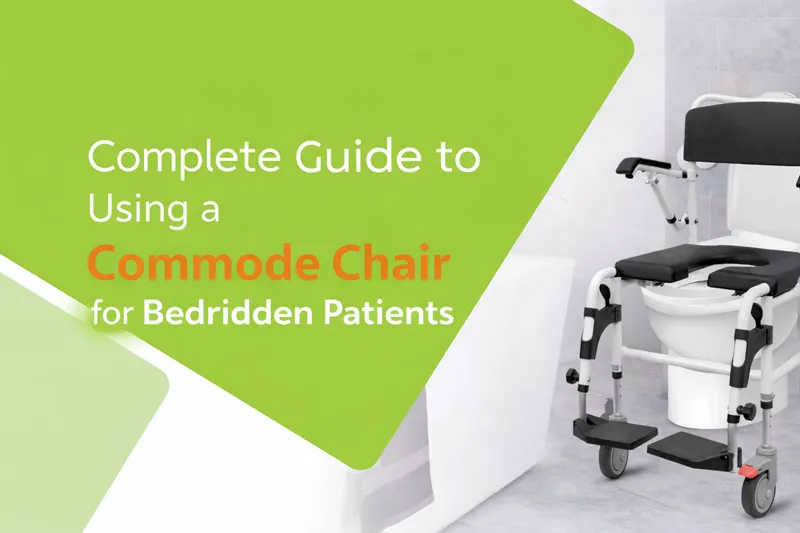
When a patient is confined to bed due to illness, injury, surgery, or advanced age, even basic movement can feel exhausting or unsafe. In such situations, a commode chair for bedridden patients becomes an essential home healthcare solution. It is not merely a convenience but a critical support system that ensures hygiene, safety, dignity, and comfort while significantly reducing caregiver strain. This in-depth guide explains why commode chairs are necessary for bedridden patients, when they should be used, what features matter most, how they improve quality of life, and how to choose the right option for long-term home care.
Understanding the Needs of Bedridden Patients
A bedridden patient is someone who spends most or all of their time in bed due to limited mobility, weakness, paralysis, severe pain, or medical restrictions. This may include elderly individuals, stroke survivors, patients recovering from major surgeries, people with spinal injuries, advanced neurological disorders, or chronic illnesses. For such patients, walking to the bathroom or even standing up safely is often impossible. Repeated lifting or carrying by caregivers increases the risk of injury for both the patient and the caregiver. Toileting, therefore, becomes one of the biggest daily challenges in bedridden care. A commode chair addresses this challenge by providing a safe, controlled, and hygienic way for the patient to manage bowel and bladder needs without unnecessary movement.
What Is a Commode Chair for Bedridden Patients
A commode chair for bedridden patients is a specially designed toilet chair that allows a patient to relieve themselves without using a traditional bathroom toilet. It typically includes a strong frame, a seat with a central opening, armrests for support, and a removable waste collection bucket. Some models are designed to be placed beside the bed, while others include wheels and brakes to assist with patient transfer. The primary purpose of a commode chair is to reduce movement, eliminate unsafe transfers, and maintain hygiene in a dignified manner. For bedridden patients, the commode chair often becomes part of the daily routine, used multiple times a day under caregiver supervision.
Why Bedridden Patients Cannot Use Regular Toilets
Regular toilets require the user to walk, turn, lower
themselves, maintain balance, and then stand up again all of which are
extremely difficult or dangerous for bedridden patients. Even western toilets
with grab bars may not be sufficient when the patient lacks leg strength or
balance. Attempting to use a regular toilet can lead to falls, muscle strain,
pain, or serious injury. A commode chair eliminates these risks by bringing the
toilet to the patient instead of forcing the patient to go to the toilet.
When a Commode Chair Becomes Essential
A commode chair is essential when a patient cannot walk
safely, cannot stand independently, or is medically advised to limit movement.
This includes early recovery after surgery, advanced age with frailty,
paralysis or partial paralysis, severe weakness after prolonged illness, or
conditions that cause dizziness or sudden fatigue. It is also crucial for
patients who experience frequent urination, incontinence, or urgent bowel
movements, especially at night. In many cases, doctors and physiotherapists recommend
a commode chair proactively to prevent falls rather than waiting for an
accident to occur.
Types of Commode Chairs Suitable for Bedridden Patients
There are several types of commode chairs designed to
support bedridden care. Fixed bedside commode chairs are placed next to the bed
and are suitable for patients who can sit with assistance. Wheelchair commode
chairs are ideal for patients who need to be moved slightly or transferred from
bed to chair without lifting. Some commode chairs are height-adjustable to
align with bed height, making transfers easier. Reclining commode chairs are
used for patients who cannot sit upright for long periods and need back
support. Choosing the right type depends on the patient’s strength, posture
control, and level of caregiver assistance available.
Importance of Bedside Placement
For bedridden patients, bedside placement of the commode
chair is extremely important. The shorter the distance the patient needs to
move, the safer and less exhausting the process becomes. A bedside commode
chair reduces the need for lifting, minimizes pain, and allows caregivers to
assist in a controlled manner. It is especially useful at night, when fatigue,
low lighting, and urgency increase the risk of accidents. Knowing that
toileting support is immediately available also reduces anxiety for the patient.
Safety Benefits for Bedridden Patients
Safety is the primary benefit of using a commode chair for
bedridden patients. The chair provides a stable surface for sitting and
standing with support from armrests. Anti-slip legs or lockable wheels prevent
unexpected movement. The controlled environment reduces the risk of falls,
slips, and muscle strain. For caregivers, it reduces the need to lift the
patient manually, lowering the risk of back injuries and fatigue. Overall, a
commode chair creates a safer care environment for everyone involved.
Comfort and Dignity for the Patient
Bedridden patients are often emotionally vulnerable and may
feel embarrassed or dependent due to their condition. A commode chair helps
preserve dignity by allowing toileting to happen discreetly and respectfully.
Comfortable seating, proper height, and supportive armrests reduce physical
discomfort. The ability to use the toilet without being rushed or exposed has a
positive impact on mental well-being, confidence, and cooperation with care
routines.
Ease of Care for Family Members and Caregivers
Caring for a bedridden patient can be physically and
emotionally exhausting. Repeated trips to the bathroom, lifting, and cleaning
increase caregiver burnout. A commode chair simplifies daily care by reducing
movement, saving time, and making toileting assistance more manageable. It
allows caregivers to focus on supportive care rather than constant physical
exertion. In long-term home care, this ease of use is invaluable.
Hygiene Management for Bedridden Patients
Maintaining hygiene is critical in bedridden care to prevent
infections, skin irritation, and odor. Commode chairs use removable buckets
that can be cleaned and disinfected after each use. High-quality buckets are
made from non-porous materials that resist staining and odor. Regular cleaning
routines ensure that the patient’s environment remains hygienic and
comfortable. Compared to bedpans, commode chairs offer better posture, reduced
spillage, and improved cleanliness.
Commode Chair vs Bedpan for Bedridden Patients
Many families initially rely on bedpans for bedridden
patients, but bedpans often cause discomfort, spillage, and hygiene issues.
They require the patient to lie flat or be turned, which can be painful and
stressful. A commode chair allows the patient to sit in a more natural
position, improving comfort and bowel movement ease. It also reduces caregiver
effort and improves hygiene, making it a superior long-term solution.
Renting or Buying a Commode Chair for Bedridden Care
The decision to rent or buy depends on the expected duration
of use. Renting is suitable for short-term needs such as post-surgery recovery
or temporary illness. Buying is recommended for long-term bedridden care,
chronic conditions, or elderly patients who require ongoing support. Ownership
allows the family to customize routines and ensures continuous availability
without dependency on rental schedules.
Price Considerations and Value
Commode chair prices vary based on type, build quality, and
features such as wheels, padding, or adjustability. While cost is an important
factor, safety, comfort, and durability should always be prioritized for
bedridden patients. A reliable commode chair reduces medical complications,
caregiver injuries, and frequent replacements, making it a cost-effective
investment in long-term care.
Comparison Table: Toileting Options for Bedridden
Patients
|
Feature |
Commode
Chair |
Bedpan |
Regular
Toilet |
|
Suitable for
bedridden |
Yes |
Limited |
No |
|
Comfort |
High |
Low |
Low |
|
Hygiene
control |
High |
Low |
Medium |
|
Caregiver
effort |
Moderate |
High |
Very high |
|
Safety |
Very high |
Low |
Very low |
Common Mistakes Families Make
A common mistake is assuming that bedpans are sufficient for long-term care, leading to discomfort and hygiene problems. Another is choosing a commode chair without checking height compatibility with the bed, making transfers difficult. Ignoring armrest strength or stability can compromise safety. Proper assessment of the patient’s condition and daily needs helps avoid these issues.
Conclusion
A commode chair for bedridden patients is a cornerstone of
safe, dignified, and effective home care. It reduces risks, improves hygiene,
preserves dignity, and makes daily caregiving more manageable. By choosing the
right commode chair based on patient condition, comfort, and safety features,
families can significantly improve quality of life for both patients and
caregivers. Aarogyaa Bharat remains dedicated to supporting compassionate,
practical, and reliable home healthcare solutions for every stage of care.
At Aarogyaa Bharat, we understand the daily challenges of caring for bedridden patients at home. This guide is designed to help families choose and use commode chairs safely, ensuring comfort, dignity, and better hygiene with dependable home-care solutions.