Understanding the Basics of Disposable and Cloth
Incontinence Diapers
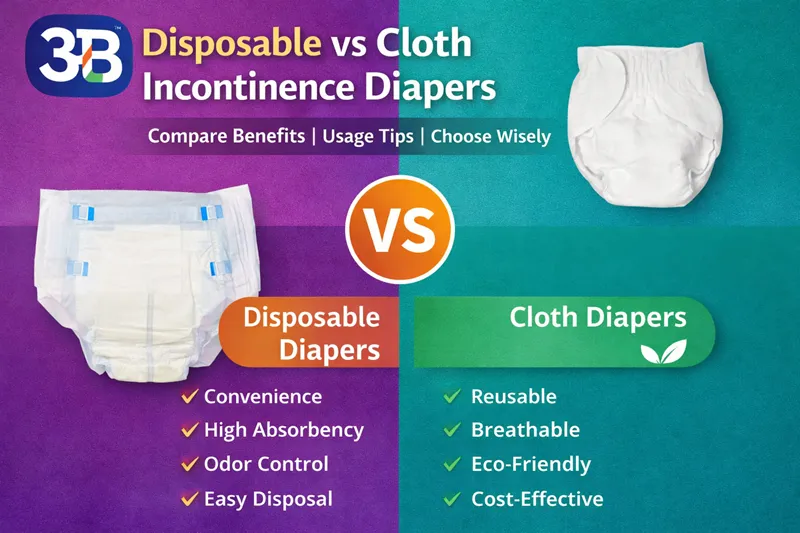
Incontinence diapers are designed to manage urinary or bowel
leakage while maintaining hygiene and comfort. Disposable diapers are
single-use products made with advanced absorbent materials that lock moisture
away from the skin, making them ideal for convenience and high absorbency.
Cloth diapers, on the other hand, are reusable fabric-based solutions that
require washing and drying after each use. The choice between these options
often depends on lifestyle, caregiver availability, budget, and personal preference.
Elderly individuals with heavy incontinence may prefer disposable options for
their superior absorption and ease of use, while cloth diapers can be a
practical alternative for light leakage or short-term use when sustainability
is a priority.
What Disposable Incontinence Diapers Work
Disposable diapers use multi-layer technology that includes
a soft top sheet, super absorbent core, and waterproof outer layer. The
absorbent core converts liquid into gel-like particles, keeping the surface dry
and reducing the risk of skin irritation. Leak guards around the legs and
elastic waistbands provide additional protection during movement or sleep.
These diapers are widely used in hospitals and home care environments because
they are easy to change and maintain hygiene without additional washing. For
caregivers managing elderly patients, disposable diapers reduce workload and
help maintain consistent cleanliness throughout the day.
How Cloth Incontinence Diapers Function
Cloth diapers are made from cotton or blended fabrics
designed to absorb moisture while allowing airflow. They can be washed and
reused multiple times, making them a cost-effective and environmentally
friendly option for some families. Many cloth diapers include adjustable
buttons or straps for sizing flexibility. While they provide comfort and
breathability, they usually require frequent changing because they do not lock
moisture away as effectively as disposable options. Proper washing and drying
are essential to maintain hygiene and prevent odor or bacterial growth. Cloth
diapers may work well for seniors with mild incontinence or those who prefer
natural fabric against their skin.
Key Differences Between Disposable and Cloth Diapers
|
Feature |
Disposable
Incontinence Diapers |
Cloth
Incontinence Diapers |
|
Absorbency |
High
absorbency with moisture lock |
Moderate
absorbency |
|
Hygiene |
Single use,
easy disposal |
Requires
washing and drying |
|
Convenience |
Ideal for
travel and overnight use |
Better for
home use |
|
Skin
Protection |
Advanced
dryness technology |
Breathable
fabric feel |
|
Maintenance |
Minimal
effort |
Requires
regular cleaning |
Comfort and Skin Health Considerations
Comfort is one of the most important factors when selecting
incontinence diapers, especially for elderly individuals with sensitive skin.
Disposable diapers are designed to keep the skin dry by trapping moisture
inside the absorbent core, reducing the risk of rashes and irritation. Cloth
diapers provide a soft, natural texture that some users find more comfortable
during short wear periods, but prolonged moisture exposure may cause discomfort
if not changed frequently. Caregivers should consider how often the diaper will
be worn and the user’s skin sensitivity before choosing between the two
options.
Absorbency Levels and Leakage Protection
Disposable diapers generally offer stronger leakage
protection because they include multiple absorbent layers and leak barriers.
This makes them suitable for overnight use or for individuals with heavy
incontinence. Cloth diapers provide lighter absorption and are often used as a
backup option or during daytime hours when frequent changes are possible.
Families caring for bedridden seniors may find disposable diapers more
practical because they minimize the risk of bedsores caused by prolonged
wetness.
Conclusion
Disposable and cloth incontinence diapers both serve
important roles in elderly and home healthcare management, and the best choice
depends on comfort needs, lifestyle, and caregiving capacity. Disposable
diapers provide superior absorbency, hygiene, and convenience, making them
ideal for heavy incontinence and overnight protection. Cloth diapers offer
reusable comfort and may be suitable for mild leakage or short-term use when
frequent washing is possible. By understanding the strengths of each option and
choosing based on real-life needs, families can create a balanced care routine
that promotes dignity, safety, and comfort. Aarogyaa Bharat encourages
thoughtful product selection combined with proper hygiene practices to ensure a
supportive and respectful incontinence care experience for every individual.
Cost Comparison Over Time
While disposable diapers may appear more expensive initially
because they are single-use, they save time and effort by eliminating washing
and drying tasks. Cloth diapers can reduce long-term material costs but require
regular laundering, which involves water, detergent, electricity, and caregiver
effort. The overall cost depends on how frequently diapers are used and the
level of care required. Many families choose a combination approach, using
disposable diapers for overnight protection and cloth diapers during daytime
hours to balance convenience and budget.
Environmental Impact and Sustainability
Cloth diapers are often considered more environmentally
friendly because they are reusable and produce less waste. However, they
require water and energy for washing, which also contributes to environmental
impact. Disposable diapers create more solid waste but offer hygiene benefits
that are essential in healthcare settings. Choosing the right option involves
balancing sustainability goals with the user’s health and caregiving
requirements.
Choosing the Right Option Based on Mobility and Lifestyle
|
User
Lifestyle |
Recommended
Diaper Type |
Reason |
|
Bedridden
elderly |
Disposable
diapers |
Easy
caregiver changes and high absorbency |
|
Active
seniors |
Disposable
pant-style diapers |
Discreet and
convenient |
|
Mild
incontinence |
Cloth diapers |
Comfortable
for short wear |
|
Travel or
outings |
Disposable
diapers |
Hygienic and
easy disposal |
|
Home-based
care with frequent washing |
Cloth diapers |
Cost-effective
and reusable |
Daytime vs Overnight Usage Considerations
Disposable diapers are often preferred for overnight use
because they provide extended dryness and reduce the need for midnight changes.
During daytime hours, some families use cloth diapers when frequent changes are
manageable. The choice also depends on climate; in warmer regions, breathable
cloth diapers may feel cooler for short periods, while disposable diapers
maintain dryness for longer durations.
Hygiene and Maintenance Tips for Both Types
Proper hygiene practices are essential regardless of the
diaper type. Disposable diapers should be changed regularly and disposed of
responsibly to maintain cleanliness. Cloth diapers must be washed thoroughly
with mild detergents and dried completely to prevent bacterial growth. For
elderly individuals, applying barrier creams or moisturizers before wearing a
diaper can help protect the skin from irritation. Caregivers should monitor the
skin regularly to ensure comfort and prevent complications.
Common Mistakes People Make When Comparing Disposable and
Cloth Diapers
One common mistake is assuming that one type is universally
better than the other. The right choice depends on individual needs, lifestyle,
and caregiving resources. Another mistake is using cloth diapers for overnight
heavy incontinence without additional protection, which may lead to discomfort.
Some families also underestimate the time required for washing cloth diapers,
making disposable options more practical for busy households.
Why Aarogyaa Bharat Encourages Balanced Incontinence Care
Solutions
Aarogyaa Bharat believes that effective incontinence care
involves understanding both comfort and practicality. Disposable diapers offer
advanced protection and convenience, while cloth diapers provide reusable
comfort for lighter needs. By educating families about the advantages and
limitations of each option, Aarogyaa Bharat helps individuals make informed
decisions that support dignity, hygiene, and long-term well-being in home
healthcare environments.