Introduction: Why Choosing the Right Type of Adult Diaper Matters
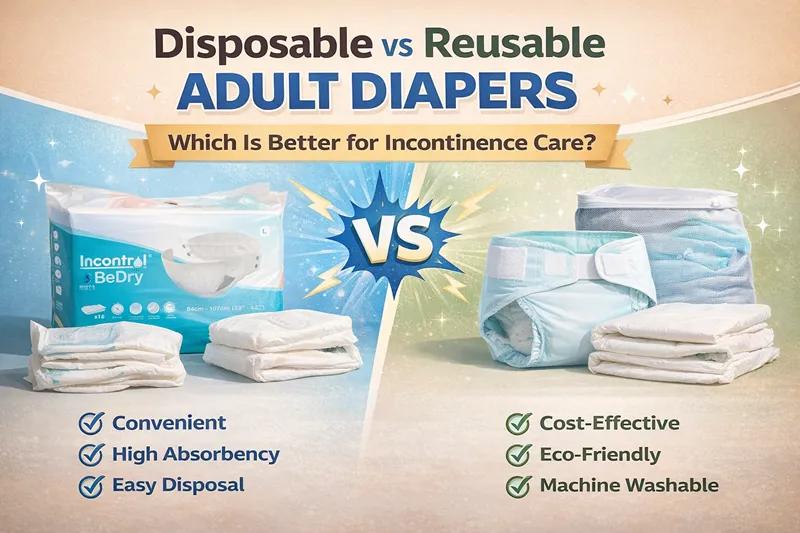
Adult incontinence is a widespread yet often under-discussed medical condition that affects elderly individuals, post-surgical patients, people with neurological disorders, and adults experiencing temporary or chronic bladder or bowel control issues. In Indian households, where home-based caregiving is common, managing incontinence correctly plays a critical role in maintaining hygiene, dignity, comfort, and emotional well-being. One of the most important decisions in incontinence care is choosing between disposable adult diapers and reusable (washable) adult diapers. While both are designed to manage urine or bowel leakage, they differ significantly in hygiene standards, skin protection, ease of use, caregiver effort, and long-term practicality. Selecting the wrong type of adult diaper can lead to skin rashes, infections, frequent leakage, increased laundry burden, caregiver fatigue, and emotional distress for the user. This detailed guide by Aarogyaa Bharat compares disposable and reusable adult diapers across medical, practical, and caregiving perspectives to help families make the right choice for safe and dignified incontinence management.
Understanding Disposable Adult Diapers
Disposable adult diapers are single-use incontinence products designed to be worn once and discarded after use. These diapers are engineered using modern absorbent technology and are widely used in hospitals, nursing homes, rehabilitation centres, and home-care settings across India.
Disposable adult diapers typically feature:
-
Super-absorbent polymer cores that convert liquid into gel
-
Leak guards to prevent side and back leakage
-
Odour-control layers
-
Soft, breathable outer sheets to protect skin health
They are available in multiple formats such as pants-style pull-ups, tape-style diapers, and overnight or high-absorbency diapers, catering to different levels of incontinence. Disposable diapers are especially suitable for elderly individuals with moderate to severe incontinence, bedridden patients, and situations where frequent washing is not feasible.
Understanding Reusable Adult Diapers
Reusable adult diapers, often referred to as washable or cloth diapers, are made using materials such as cotton, bamboo fibre, or microfiber. These diapers are designed for repeated use and must be washed after every wear.
Reusable diapers usually consist of:
-
A fabric absorbent layer
-
Removable absorbent inserts
-
A waterproof outer cover to prevent leakage
Many users choose reusable adult diapers due to environmental concerns or the perception of long-term cost savings. They may be suitable for individuals with mild to moderate incontinence, especially when reliable washing facilities and caregiver support are available. However, their effectiveness depends heavily on proper washing, drying, and hygiene maintenance, which is often underestimated in home-care scenarios.
Absorbency and Leak Protection Comparison
Absorbency is one of the most critical factors in effective incontinence care. Disposable adult diapers are designed with high-performance absorbent cores that quickly draw moisture away from the skin and lock it inside. This ensures consistent dryness, even during extended wear or overnight use. Leak guards and elastic leg cuffs further enhance protection against side leakage, making disposable diapers highly reliable for moderate to severe incontinence. Reusable adult diapers rely on fabric layers to absorb liquid. While some premium washable diapers offer reasonable absorbency, they generally hold less liquid than disposable diapers and may feel wet against the skin after use. Leak protection largely depends on the quality of the waterproof layer and correct fitting. For night-time use or heavy incontinence, reusable diapers often fall short. For users requiring long-duration protection or overnight safety, disposable adult diapers offer superior and more predictable performance.
Skin Health and Hygiene Considerations
Maintaining healthy skin is especially important for elderly individuals, bedridden patients, and people with limited mobility. Disposable adult diapers are designed to wick moisture away from the skin, reducing prolonged wetness that can cause rashes, fungal infections, pressure sores, and skin breakdown. Many disposable diapers also use breathable materials and dermatologically tested inner linings to support skin health. Reusable adult diapers, if not changed frequently, can keep moisture in contact with the skin for longer periods. Improper washing, incomplete drying, or poor storage can lead to bacterial growth, unpleasant odours, and increased risk of skin infections. Maintaining hygiene with reusable diapers requires strict washing routines, which may be challenging in busy households. For users with sensitive skin or high incontinence frequency, disposable diapers generally provide better hygiene and skin protection.
Convenience and Ease of Use for Caregivers
Caregiver convenience is a crucial but often overlooked factor in incontinence management. Disposable adult diapers are quick to change, easy to dispose of, and require no washing or drying. This significantly reduces caregiver workload, especially when caring for elderly or bedridden patients. They are particularly helpful during night-time care, emergencies, travel, or hospital discharge recovery. Reusable adult diapers require washing after every use, followed by drying and proper storage. This increases caregiver effort and may not be practical in homes with limited washing facilities, water shortages, or time constraints. During travel or medical emergencies, managing reusable diapers can become especially difficult. For caregivers seeking efficiency, hygiene, and ease of care, disposable adult diapers are usually the more practical option.
Cost Comparison: Short-Term vs Long-Term Perspective
Cost is often a key deciding factor for families. Disposable adult diapers involve ongoing expenses, as they need to be purchased regularly. However, their consistent performance can reduce indirect costs related to skin treatments, laundry, caregiver time, and medical complications. Reusable adult diapers require a higher initial investment but lower recurring product costs. Over time, they may appear more economical for mild incontinence. However, expenses related to water, electricity, detergent, and replacement of worn-out diapers must also be considered.
The true cost comparison depends on:
-
Severity of incontinence
-
Number of daily changes required
-
Caregiver availability
-
Laundry resources
In many elderly care scenarios, the medical and caregiving benefits of disposable diapers justify their higher recurring cost.
Environmental Impact Considerations
Reusable adult diapers are often chosen for environmental reasons, as they reduce solid waste. However, frequent washing consumes water, electricity, and detergent, contributing to environmental impact in a different way. Disposable adult diapers contribute to landfill waste but reduce water and energy usage associated with laundering. Some modern disposable diapers are now made with eco-conscious materials, though they remain single-use products. Environmental impact should be balanced with medical safety, hygiene, and practicality, especially in elderly and long-term care situations.
Suitability for Different Users
Disposable adult diapers are generally best suited for:
-
Elderly individuals with moderate to severe incontinence
-
Bedridden or post-surgical patients
-
Night-time and extended-wear use
-
Hospital, nursing home, and home-ICU settings
-
Caregivers with limited time or resources
Reusable adult diapers may be suitable for:
-
Mild incontinence
-
Active individuals with good mobility
-
Homes with reliable washing facilities
-
Environmentally conscious users with caregiver support
Comparison Table: Disposable vs Reusable Adult Diapers
| Feature | Disposable Adult Diapers | Reusable Adult Diapers |
|---|---|---|
| Absorbency | High and consistent | Moderate |
| Leak Protection | Strong | Fit-dependent |
| Skin Dryness | Excellent | Limited |
| Hygiene | Very high | Depends on washing |
| Ease of Use | Very easy | Requires washing |
| Caregiver Effort | Low | High |
| Initial Cost | Low | Higher |
| Long-Term Cost | Higher | Lower |
| Night-Time Use | Highly suitable | Limited |
| Environmental Impact | More waste | Less solid waste |
Common Mistakes When Choosing Adult Diapers
Many users choose based solely on cost or environmental concerns without considering medical needs. Using reusable diapers for severe incontinence or night-time use often results in leaks and skin problems. Similarly, choosing low-quality disposable diapers to save money can lead to frequent changes and discomfort. Understanding the strengths and limitations of each option helps prevent these common issues.
Which Option Is Better for Elderly Care?
For elderly individuals with fragile skin, reduced mobility, or heavy incontinence, disposable adult diapers are generally safer and more effective. They provide superior moisture control, hygiene, and caregiver convenience. Reusable adult diapers may be considered for mild incontinence in active seniors, but they require careful management and consistent washing to avoid hygiene issues.
Conclusion: Making the Right Choice for Incontinence Management
There is no one-size-fits-all solution when comparing disposable vs reusable adult diapers. Disposable diapers offer better absorbency, hygiene, convenience, and skin protection, making them ideal for moderate to severe incontinence and elderly care. Reusable diapers may be suitable for mild cases where washing facilities and caregiver time are readily available. At Aarogyaa Bharat, we believe that informed decisions lead to better comfort, dignity, and quality of life for individuals managing incontinence. Choosing the right adult diaper based on medical needs, lifestyle, and caregiving resources is a crucial step toward safer and more compassionate care.