A home emergency may involve a sudden fall, stroke symptoms,
acute pain, severe dizziness, breathlessness, post-operative complications,
food poisoning, or rapid deterioration of a chronic condition. During such
moments, toileting becomes a critical yet overlooked challenge, as the affected
person may be unable to walk safely to the bathroom, stand for long, or control
bodily functions due to weakness or shock. In Indian homes, where bathrooms are
often distant, slippery, or inaccessible, emergency toileting can quickly
escalate into dangerous falls, panic, and loss of dignity. A commode chair for
home emergency use acts as an immediate safety solution that stabilises the
situation, allowing safe toileting while medical help is arranged or recovery
begins. Aarogyaa Bharat considers emergency readiness a core aspect of
responsible home healthcare, where having the right equipment in advance can
prevent secondary injuries and chaos during crises.
Understanding What Constitutes a Home Healthcare
Emergency
A home healthcare emergency is any sudden physical or
medical event that temporarily or permanently limits a person’s ability to move
safely or independently. This includes acute weakness, sudden loss of balance,
fainting episodes, severe joint pain, post-fall shock, dehydration, vomiting,
diarrhoea, or neurological symptoms such as numbness or confusion. These events
often occur without warning and require immediate adaptation of the home
environment to prevent further harm. Recognising the broad scope of emergencies
helps families understand why preparedness matters even before a diagnosis is
confirmed.
Why Toileting Becomes a Critical Issue During Emergencies
During emergencies, the body prioritises survival responses,
often disrupting bladder and bowel control. Fear, pain, medication side
effects, or dehydration can increase urgency, while weakness reduces mobility.
Forcing a person in crisis to walk to the bathroom or wait too long increases
fall risk, distress, and medical complications. Toileting becomes a sensitive
emergency need that must be managed safely and calmly to stabilise the
situation.
Role of a Commode Chair in Emergency Stabilisation
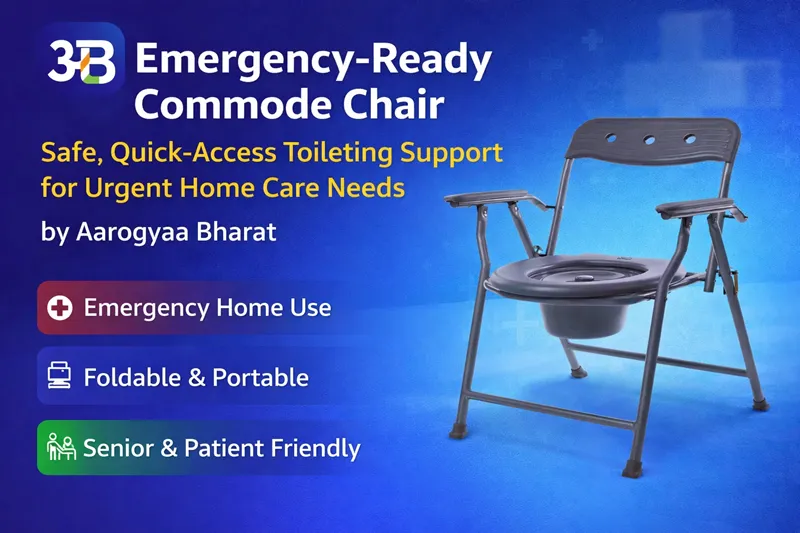
A commode chair provides immediate toileting access without
requiring bathroom transfers, lifting, or rushed movement. By placing the chair
near the affected person, families can reduce panic, control the environment,
and prevent secondary injuries while awaiting medical evaluation. The commode
chair acts as a stabilising tool that supports dignity and safety during
chaotic moments.
Emergency Use During Sudden Weakness or Dizziness
Sudden weakness or dizziness is one of the most common home
emergencies, especially among elderly individuals or those with blood pressure
issues. Attempting to walk during such episodes can lead to collapse. A commode
chair allows toileting in a seated, supported position, reducing strain and
preventing falls during vulnerable moments.
Use After a Sudden Fall or Injury
After a fall, even if injuries appear minor, the risk of
further falls is high due to shock, pain, or disorientation. Moving the person
repeatedly to the bathroom increases danger. A commode chair allows essential
toileting while keeping movement minimal until medical assessment is completed.
Managing Emergencies During Acute Illness
Acute illnesses such as food poisoning, viral infections, or
severe dehydration often cause frequent toileting needs combined with weakness.
Repeated bathroom trips increase exhaustion and fall risk. A commode chair
allows safe toileting close to rest areas, reducing strain and supporting
recovery.
Emergency Support for Post-Surgical Complications
Post-surgical patients may experience sudden pain,
dizziness, or weakness due to medication changes or complications. During such
emergencies, normal toileting routines may become unsafe. A commode chair
enables safe toileting without stressing surgical sites or risking injury.
Night-Time Emergencies and Reduced Response Time
Emergencies that occur at night are particularly dangerous
due to delayed response, low visibility, and caregiver fatigue. A bedside
commode chair allows immediate toileting without navigating dark hallways,
reducing risk while emergency help is contacted.
Reducing Panic and Chaos During Home Emergencies
Panic worsens emergencies by leading to rushed decisions and
unsafe actions. Having a commode chair readily available provides a sense of
control and preparedness. Calm, structured responses improve safety and
outcomes during crises.
Supporting Emergency Care for Elderly Individuals
Elderly individuals are especially vulnerable during
emergencies due to slower recovery and higher fall risk. A commode chair
supports safe toileting without demanding physical strength or balance,
preserving dignity and reducing complications during emergency care.
Emergency Use in Homes with Limited Accessibility
Many Indian homes lack ramps, grab bars, or
wheelchair-friendly bathrooms. During emergencies, these limitations become
more pronounced. A commode chair bypasses architectural barriers, providing
immediate accessibility without modifications.
Role in Short-Term Emergency Recovery Periods
Some emergencies resolve within days, but mobility may
remain limited temporarily. A commode chair supports safe toileting during this
short recovery window, preventing setbacks and supporting gradual return to
normal activity.
Caregiver Safety During Emergency Toileting
Emergency situations often require caregivers to act
quickly, increasing risk of caregiver injury from lifting or rushing. A commode
chair reduces physical demands on caregivers, allowing them to assist safely
even under stress.
Hygiene and Infection Control During Emergencies
Emergencies may involve vomiting, diarrhoea, or
incontinence, increasing hygiene challenges. Commode chairs with removable
buckets allow controlled waste management and easier cleaning, reducing
infection risk during critical periods.
Types of Commode Chairs Suitable for Emergency Use
|
Emergency
Scenario |
Recommended
Chair Type |
Emergency
Benefit |
|
Sudden
weakness |
Bedside
commode chair |
Minimal
movement |
|
Post-fall
care |
Fixed commode
chair |
Stability |
|
Acute illness |
Easy-clean
chair |
Hygiene
control |
|
Night
emergencies |
Bedside chair |
Immediate
access |
|
Elderly
emergencies |
Anti-slip
chair |
Fall
prevention |
Psychological Comfort During Crisis Situations
Loss of toileting control during emergencies can be
humiliating and distressing. A commode chair preserves privacy and dignity,
reducing emotional trauma and supporting cooperation with care.
Preventing Secondary Injuries in Emergencies
Secondary injuries such as falls, muscle strains, or wound
reopening often occur during emergency toileting attempts. A commode chair
prevents these avoidable complications, improving overall emergency outcomes.
Emergency Preparedness as Part of Home Healthcare
Planning
True home healthcare planning includes preparing for
emergencies, not just daily routines. A commode chair is a simple but powerful
preparedness tool that supports immediate response during crises.
Why Aarogyaa Bharat Emphasises Emergency Readiness
Aarogyaa Bharat understands that emergencies expose the
weakest points in home care systems. By encouraging families to prepare with
essential equipment like commode chairs, Aarogyaa Bharat helps prevent chaos,
injury, and loss of dignity during critical moments.
Conclusion
A commode chair for home emergency use is an essential safety tool that transforms unpredictable crises into manageable situations. By providing immediate, stable toileting access during sudden illness, injury, or weakness, commode chairs prevent secondary injuries, reduce panic, and preserve dignity. In Indian homes where emergency medical support may take time to arrive, preparedness saves lives and protects families from avoidable trauma. Aarogyaa Bharat remains committed to empowering households with practical solutions that deliver safety when it matters most.