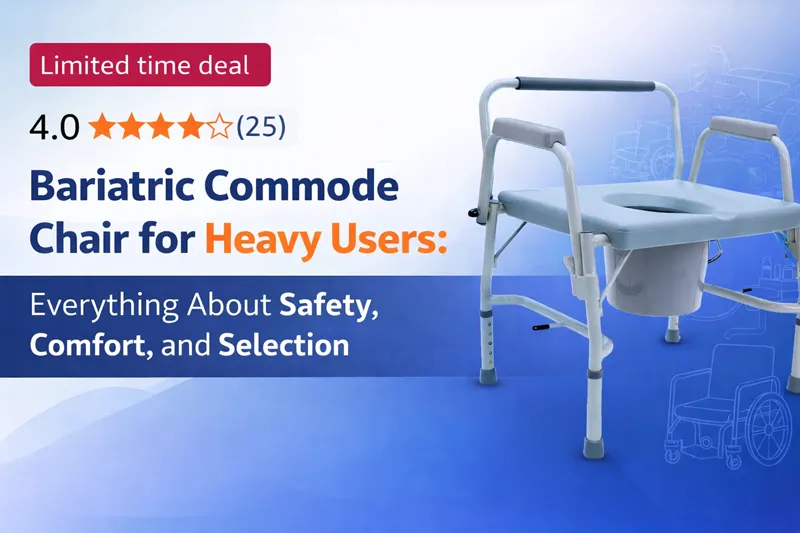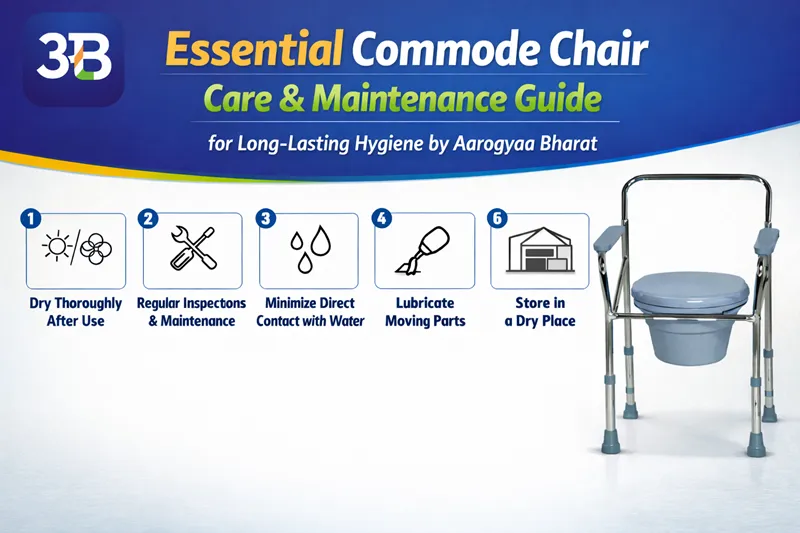
In home healthcare, especially in Indian households where
commode chairs are often used multiple times a day by elderly individuals,
post-surgery patients, or people with long-term mobility limitations,
neglecting maintenance can quietly turn a safety aid into a hidden risk. Small
issues such as loose bolts, worn rubber tips, micro-cracks in plastic, rust on
metal frames, or persistent odor buildup may appear harmless at first but
gradually increase the chances of falls, infections, discomfort, and caregiver
frustration. Proper maintenance preserves not only the physical condition of
the commode chair but also the confidence and dignity of the user who depends
on it daily. Aarogyaa Bharat treats commode chair maintenance as a critical
extension of safety, ensuring that equipment reliability never becomes the
weakest link in home care.
Why Maintenance Is Essential for Long-Term Safety
Maintenance is essential because commode chairs experience
repetitive stress through sitting, standing, weight shifting, moisture
exposure, and cleaning chemicals every single day. Over time, even high-quality
materials can degrade if not monitored. Daily use gradually loosens joints,
compresses seats, and wears anti-slip components, while humidity and cleaning
agents can corrode metal parts or weaken plastic. Without regular maintenance,
these slow changes go unnoticed until a sudden failure occurs. Proactive
maintenance identifies problems early, preventing accidents and preserving
safety.
Understanding Wear and Tear in Daily Use
Wear and tear occur naturally through normal use, especially
in households where the commode chair is used frequently or by heavier users.
Repeated pressure on armrests, uneven weight distribution during transfers, and
frequent cleaning all contribute to gradual deterioration. Understanding that
wear is inevitable helps caregivers adopt a preventive mindset rather than
waiting for visible damage.
Daily Maintenance Habits That Make a Big Difference
Daily maintenance does not require tools or technical
knowledge but relies on simple habits such as wiping surfaces dry after
cleaning, checking for wobbling, and ensuring the chair is placed correctly.
These small actions prevent moisture damage, instability, and hygiene issues
that accumulate over time.
Weekly Inspection for Structural Stability
Weekly inspection involves checking bolts, joints, armrests,
and legs for looseness or movement. Gently rocking the chair and applying light
pressure to different areas helps identify instability early. Addressing minor
looseness immediately prevents progressive damage and ensures continued safe
use.
Monthly Deep Maintenance and Review
Monthly maintenance includes a more thorough review of the
chair’s condition, including examining the seat surface for cracks, checking
rubber tips for wear, inspecting metal frames for rust, and assessing overall
comfort. This deeper review ensures that the chair remains suitable as user
needs evolve.
Caring for Metal Frames in Indian Conditions
Indian homes often experience high humidity, monsoons, and
fluctuating temperatures that accelerate metal corrosion. Drying metal frames
thoroughly after cleaning and periodically checking for rust spots prevents
structural weakening. Early rust removal and protective measures extend the
life of metal commode chairs significantly.
Maintaining Plastic Seats and Components
Plastic seats are exposed to constant pressure, heat, and
cleaning agents. Over time, they may develop discoloration, micro-cracks, or
surface roughness that affect hygiene and comfort. Gentle cleaning products and
regular inspection help preserve plastic integrity and prevent sudden breakage.
Importance of Anti-Slip Rubber Tips Maintenance
Rubber tips on commode chair legs are critical safety
components that prevent slipping on tiled floors. These tips wear down
gradually and may harden, crack, or loosen. Regular inspection and timely
replacement of rubber tips are essential to maintaining grip and preventing
falls.
Bucket Maintenance and Odor Control
The bucket is the most frequently cleaned component and most
exposed to waste and chemicals. Regular thorough cleaning, proper drying, and
periodic disinfection prevent odor buildup and staining. Cracked or discoloured
buckets should be replaced promptly to maintain hygiene and user comfort.
Avoiding Damage from Harsh Cleaning Chemicals
While hygiene is critical, excessive use of harsh chemicals
can damage surfaces and weaken materials. Using recommended detergents and
disinfectants at correct dilution levels preserves the chair’s structure while
maintaining cleanliness.
Preventing Joint and Bolt Loosening Over Time
Repeated movement and weight shifts can gradually loosen
bolts and joints. Periodic tightening using basic tools ensures that the chair
remains rigid and stable. Ignoring loose joints increases wobbling and fall
risk.
Maintenance for Chairs with Adjustable Features
Adjustable commode chairs require extra attention to height
adjustment mechanisms, locking pins, and moving parts. Ensuring that
adjustments lock securely prevents sudden height changes during use, which can
be dangerous.
Managing Maintenance for Wheeled Commode Chairs
For chairs with wheels, maintenance includes checking wheel
rotation, brake functionality, and debris buildup. Dirty or damaged wheels
compromise braking effectiveness and increase risk. Regular cleaning and
inspection keep wheeled chairs safe when used appropriately.
Hygiene Maintenance as Part of Overall Care
Maintenance is closely linked to hygiene. A well-maintained
chair is easier to clean and less likely to harbour bacteria or odor.
Consistent hygiene routines protect both the user and caregivers from infection
risk.
Maintenance for Long-Term and Bariatric Use
Chairs used for long-term care or by heavier users
experience greater stress and require more frequent inspection. Reinforced
components should be checked regularly to ensure continued load-bearing
capacity.
Maintenance Table for Easy Reference
|
Maintenance
Task |
Frequency |
Purpose |
|
Surface
drying |
Daily |
Prevent
moisture damage |
|
Stability
check |
Daily |
Fall
prevention |
|
Bolt
inspection |
Weekly |
Structural
safety |
|
Rubber tip
check |
Weekly |
Anti-slip
grip |
|
Deep cleaning |
Weekly |
Hygiene |
|
Rust
inspection |
Monthly |
Frame
integrity |
|
Bucket
condition review |
Monthly |
Odor control |
|
Full safety
review |
Quarterly |
Long-term
reliability |
Training Caregivers in Basic Maintenance Awareness
Caregivers should be educated to recognise early warning
signs such as wobbling, unusual noises, discomfort, or difficulty cleaning.
Basic maintenance awareness empowers families to act early rather than reacting
after an incident.
Psychological Impact of a Well-Maintained Chair
A clean, stable, and well-maintained commode chair improves
user confidence and willingness to use the equipment independently. Poor
maintenance, on the other hand, can cause fear, hesitation, and loss of
dignity. Emotional comfort is closely tied to physical reliability.
Cost Savings Through Preventive Maintenance
Preventive maintenance reduces the need for repairs,
replacements, and medical treatment resulting from equipment-related accidents.
Investing time in maintenance saves money and stress over the long term.
Adapting Maintenance as User Needs Change
As user weight, mobility, or frequency of use changes,
maintenance routines should adapt accordingly. Increased use requires more
frequent checks, while reduced use still requires periodic inspection to ensure
readiness.
Why Aarogyaa Bharat Emphasises Maintenance Education
Aarogyaa Bharat believes that long-term safety comes not
only from product quality but from informed usage and maintenance. Our guidance
focuses on practical maintenance routines suited to Indian households, ensuring
that commode chairs remain safe and reliable throughout their lifespan.
Conclusion
Commode chair maintenance is a vital but often overlooked component of safe home healthcare. By adopting simple daily habits, regular inspections, and timely repairs, families can ensure that their commode chair remains stable, hygienic, and comfortable over years of use. Proper maintenance protects users from accidents, caregivers from stress, and households from avoidable costs. In Indian homes where commode chairs are relied upon daily, maintenance is not an extra task but a responsibility that preserves dignity and safety. Aarogyaa Bharat remains committed to empowering families with knowledge and solutions that make home care dependable and secure.