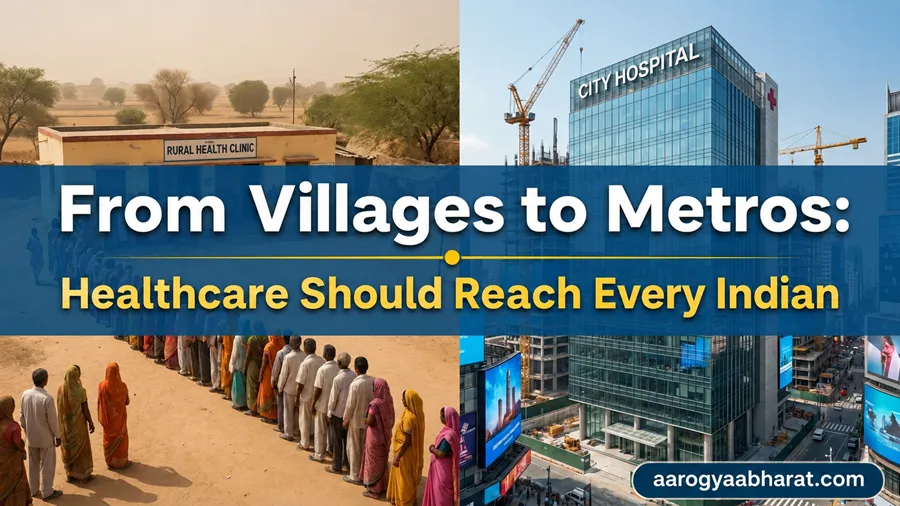
Healthcare Access Is Important for Every Citizen
Healthcare is one of the most important needs for every
person. A strong healthcare system helps people live safer and healthier lives.
India has made major progress in healthcare during the last few years, but
healthcare access is still not equal across the country. Metro cities have
advanced hospitals, specialist doctors, and modern medical equipment, while
many Tier 2 and Tier 3 cities still face healthcare challenges. Some villages
also lack nearby hospitals, emergency services, and trained medical staff.
Healthcare should not depend on where a person lives. Every Indian deserves
proper treatment, medical support, and emergency care. Better healthcare access
can improve quality of life and reduce health risks for millions of people
across the country.
The Healthcare Gap in Tier 2 and Tier 3 Cities
Many Tier 2 and Tier 3 cities in India still face shortages
of hospitals, doctors, nurses, and medical equipment. Patients often travel to
metro cities for advanced treatment because local healthcare facilities may not
provide specialized services. This creates financial pressure, travel
difficulties, and treatment delays for families. Emergency situations become
even more difficult when quality healthcare is not available nearby. Small
towns may also face medicine shortages and limited diagnostic services.
Healthcare gaps affect not only treatment quality but also overall public
health. People living in smaller cities should receive the same level of
healthcare support available in metro areas. Closing this gap is important for
building a healthier and more balanced India.
Why Rural Healthcare Needs More Attention
A large population in India still lives in villages and
rural areas. Many rural healthcare centers face shortages of doctors, trained
staff, medicines, and medical equipment. Some people travel long distances for
simple health checkups or emergency treatment. Poor road connectivity and
limited ambulance services can also delay healthcare support. Rural patients
may avoid treatment because of travel costs and financial problems. Better
healthcare access in villages can improve maternal health, child healthcare,
and disease control. Strong rural healthcare systems also reduce pressure on
urban hospitals. Every village should have access to basic medical support and
emergency healthcare services. Rural healthcare development is necessary for
India’s long-term progress.
Technology Is Changing Healthcare
Technology is helping improve healthcare services across
India. Digital healthcare platforms, telemedicine, and mobile health apps are
making treatment more accessible for people in smaller towns and villages.
Patients can now connect with doctors through online consultations without
traveling to big cities. Digital healthcare saves time and reduces treatment
delays. Electronic health records also help doctors manage patient information
more effectively. Health monitoring devices can help patients track important
health conditions at home. Technology is helping healthcare providers reach
more people across different regions. Better digital healthcare systems can
improve treatment quality and healthcare access in Tier 2 and Tier 3 cities.
Telemedicine Can Improve Rural Healthcare
Telemedicine is becoming one of the strongest solutions for
healthcare gaps in India. It allows patients to speak with doctors through
phone calls or video consultations. People living in villages and small towns
can receive medical advice without traveling long distances. Telemedicine is
especially useful for elderly patients and people with limited mobility. It can
also help reduce overcrowding in hospitals and clinics. Doctors can guide
patients about medicines, health conditions, and treatment plans remotely.
Telemedicine became more popular during the COVID-19 period and continues to
grow rapidly in India. Better internet access and digital awareness can make
telemedicine more effective in the future.
Better Healthcare Logistics Can Save Lives
Healthcare logistics play an important role in patient care
and emergency treatment. Good logistics systems help deliver medicines, oxygen
supplies, vaccines, medical equipment, and healthcare products quickly and
safely. Many rural areas still face delays in receiving important healthcare
supplies. Fast healthcare logistics can improve emergency response and
treatment quality. Ambulance networks, cold chain systems, and medical
transportation services are important for stronger healthcare support. Better road
connectivity and technology-based delivery systems can improve healthcare
distribution in remote regions. Efficient logistics systems help hospitals and
clinics provide better patient care. Strong healthcare logistics can reduce
healthcare gaps across India.
Importance of Affordable Healthcare
Healthcare should be affordable for every Indian family.
Many people delay treatment because of high medical expenses. Patients from
smaller towns and villages may spend extra money on travel and accommodation
when visiting metro cities for treatment. Affordable healthcare can reduce
financial pressure and improve treatment access. Government healthcare schemes
and insurance programs are helping many families receive medical support.
Public hospitals should continue improving treatment quality while remaining
affordable. Low-cost medicines and diagnostic services can also help patients
receive timely care. Affordable healthcare is important for building a
healthier and more equal India.
Role of Mobile Healthcare Services
Mobile healthcare services are helping improve treatment
access in remote and underserved areas. Mobile medical vans can provide health
checkups, basic treatment, vaccinations, and diagnostic services in villages
and small towns. These services are useful for people who cannot easily travel
to hospitals. Mobile healthcare units can also help spread health awareness and
preventive care education. Regular medical camps and outreach programs improve
healthcare access for rural populations. Mobile healthcare services support
early disease detection and improve community health. Expanding these services
can strengthen healthcare systems in Tier 2 and Tier 3 regions.
Importance of Skilled Healthcare Workers
India needs more trained healthcare workers to improve
healthcare access across the country. Doctors, nurses, technicians, and
healthcare staff are important for patient care and treatment quality. Many
smaller cities and villages still face shortages of medical professionals.
Better medical education and training programs can help prepare future
healthcare workers. Healthcare professionals should also receive better working
conditions and career support. Rural healthcare centers need skilled staff and proper
medical equipment to provide quality treatment. A strong healthcare workforce
improves patient trust and healthcare efficiency. Skilled healthcare workers
are necessary for building a healthier India.
Digital Health Records and Smart Healthcare
Digital health records can improve healthcare management and
treatment quality. Hospitals and clinics can store patient information securely
and access it quickly during emergencies. Patients can also manage their health
reports more easily through digital systems. Smart healthcare technology may
improve treatment planning and reduce medical errors. Artificial intelligence
and digital tools may also help doctors diagnose diseases more effectively in
the future. Better healthcare technology can improve services in smaller towns
and villages. Digital healthcare systems will likely become more common in
India by 2047.
Public and Private Healthcare Together
Both government and private healthcare sectors are important
for improving healthcare access in India. Government hospitals provide
affordable treatment for many families, while private hospitals often offer
advanced medical technology and specialized services. Working together can help
improve healthcare quality and reduce medical gaps across the country.
Public-private partnerships can support rural healthcare projects, telemedicine
services, emergency care, and healthcare education. Better cooperation between
these sectors can improve healthcare infrastructure in Tier 2 and Tier 3
cities. Strong partnerships can help healthcare reach more people across India.
Healthcare Awareness Is Also Important
Healthcare awareness helps people understand the importance
of early treatment and healthy living. Many health problems become serious
because patients delay medical care or ignore symptoms. Awareness programs can
teach people about hygiene, nutrition, vaccination, mental health, and disease
prevention. Schools, healthcare centers, and community programs can help spread
health education. Better healthcare awareness improves public health and
reduces disease risks. Educated communities can make safer healthcare decisions
for themselves and their families. Awareness is an important part of improving
healthcare access in India.
The Future of Healthcare in India
India has the opportunity to build a stronger and more equal
healthcare system in the future. Better hospitals, digital healthcare,
telemedicine, skilled healthcare workers, and strong logistics systems can
improve medical access for millions of people. Every citizen should receive
proper healthcare support regardless of location or income. Technology and
healthcare innovation can help reduce healthcare gaps between villages, small
towns, and metro cities. A healthier India will create stronger communities,
safer families, and better national growth. Healthcare should become a right
that reaches every person across the country.
Conclusion
Healthcare should reach every Indian, from villages to metro cities. Tier 2 and Tier 3 cities still face healthcare gaps that affect treatment access and patient safety. Technology, telemedicine, better logistics, skilled healthcare workers, and affordable treatment can help solve many of these challenges. India must continue improving healthcare systems so that every citizen receives proper medical support. Strong healthcare access improves quality of life, economic growth, and public well-being. By focusing on equal healthcare for all, India can build a healthier and stronger future.