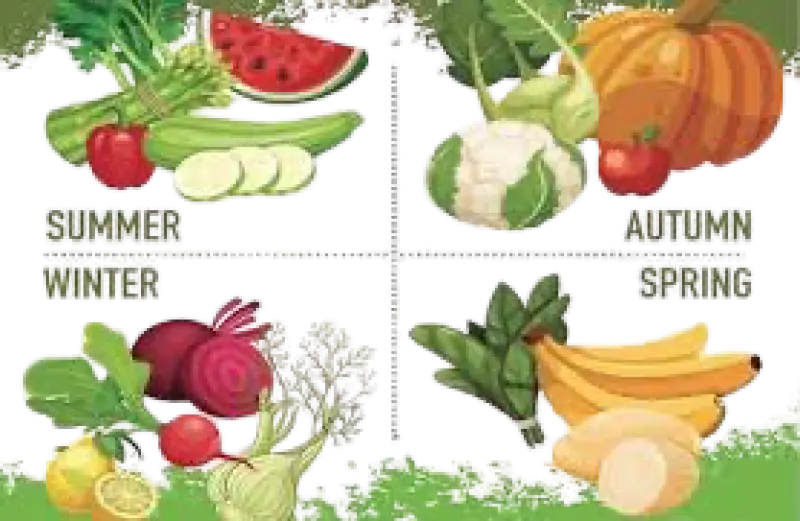
Introduction
Have you ever noticed how your food cravings shift with the weather?
Ice-cold watermelon in summer.
Hot soups in winter.
Tangy fruits during the monsoon.
That’s not just coincidence. It’s your body’s natural intelligence trying to adapt.
Our ancestors lived by this wisdom: “Eat what grows around you, when it grows.”
Modern diets often ignore this, relying on out-of-season produce and packaged meals year-round.
But nature offers clues—seasonal changes directly affect how your body digests, absorbs, and reacts to food.
Let’s understand why your diet should evolve with the seasons, and how it impacts your overall health.
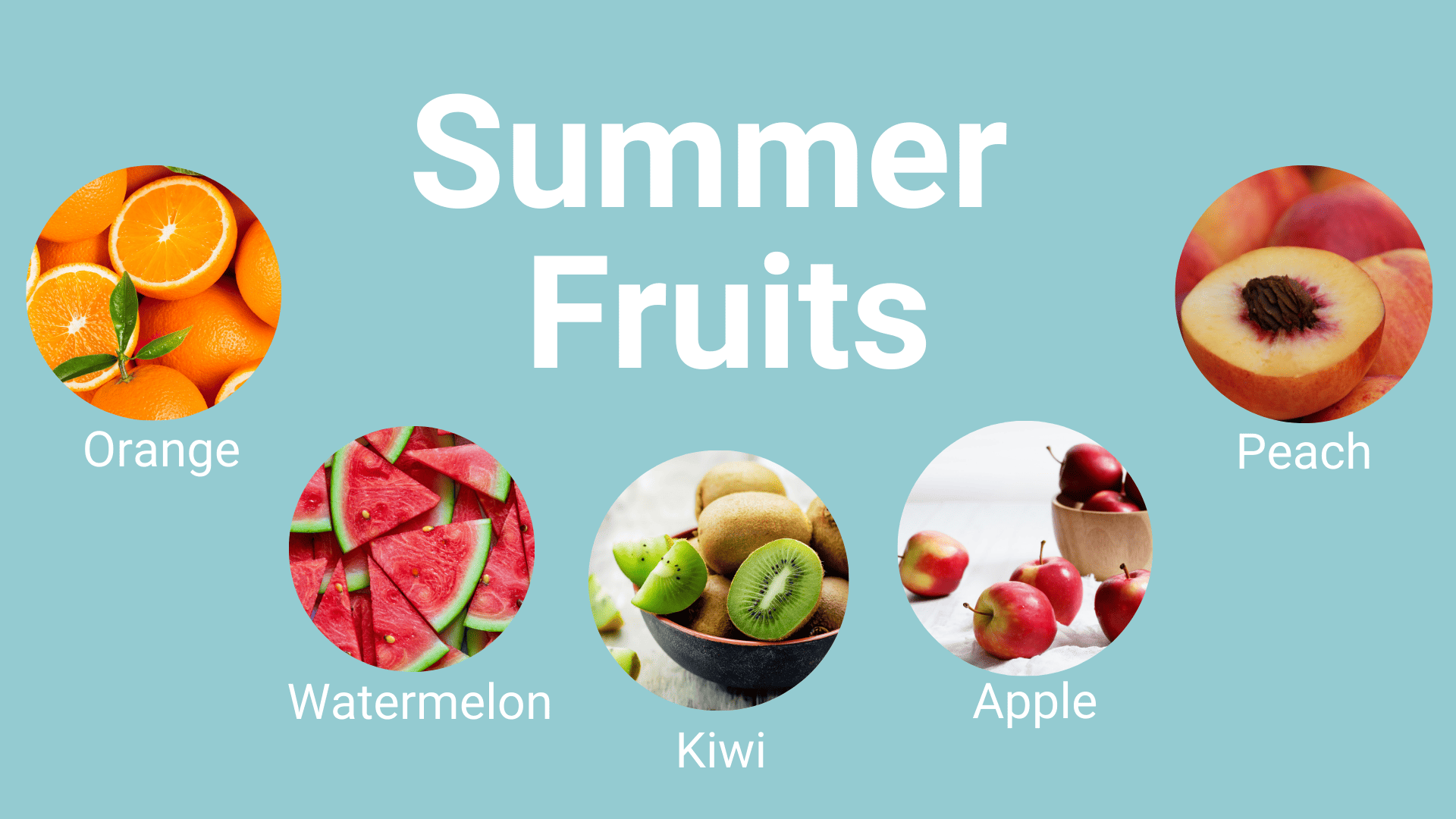
Summer: Light, Hydrating & Cooling
Body Needs: To stay cool, hydrated, and avoid inflammation
In hot months, your body’s digestive fire is lower, and you sweat more. Overeating or consuming heavy foods can lead to lethargy, bloating, or skin issues.
What to Eat:
Water-rich fruits: watermelon, cucumber, muskmelon
Cooling herbs: mint, coriander, fennel
Buttermilk & curd: keeps gut cool and hydrated
Tender coconut water: a natural electrolyte
What to Avoid:
Oily, fried items
Spicy or heavily processed snacks
Too much caffeine or alcohol
Pro Tip: Make salads your best friend. Eat smaller, more frequent meals.
Monsoon: Boost Immunity & Digestion
Body Needs: Strong immunity and better gut balance
Rainy season brings humidity, stagnant water, and risk of infections. Appetite goes down, but bacterial exposure goes up. This season is all about protecting the gut and preventing illnesses.
What to Eat:
Warm, lightly spiced food: ginger, turmeric, cloves
Boiled vegetables: to reduce infection risk
Pulses & legumes: moong dal is ideal
Seasonal fruits: pears, plums, jamun
What to Avoid:
Raw leafy greens (may carry bacteria)
Street food and cut fruits
Excess dairy and cold drinks
Pro Tip: Sip warm water or herbal teas throughout the day to support digestion.

Winter: Strengthening & Nourishing
Body Needs: Warmth, energy, and nutrition
Cold weather increases hunger as your body works harder to stay warm. It’s the best time to build strength, immunity, and stamina. This is when your digestive fire is strongest.
What to Eat:
Warming foods: ghee, nuts, sesame seeds
Root vegetables: carrots, beets, sweet potatoes
Millets: ragi, bajra (great for warmth)
Soups & stews: rich in nutrients
What to Avoid:
Cold salads or refrigerated foods
Icy beverages
Overeating sweets (opt for jaggery-based ones)
Pro Tip: Start your day with a spoon of homemade chyawanprash or warm turmeric milk.
Spring & Autumn: Detox and Transition
These are transitional seasons, ideal for realigning your body before harsh weather.
In spring, lighten up after winter: add greens, sprouts, citrus fruits
In autumn, prepare for winter: include nuts, seeds, and mild spices
These periods are perfect for gentle detox diets or fasting routines under guidance.
Why Seasonal Eating Works
| Benefit | How It Helps |
|---|---|
| Better Immunity | Seasonal produce is packed with nutrients your body needs most at that time |
| Improved Digestion | Foods align with natural digestive rhythms |
| Sustainability | Eating local, seasonal food reduces your carbon footprint |
| Cost-Effective | Seasonal produce is often fresher and cheaper |
Ayurvedic Insight: Ritucharya
In Ayurveda, this concept of changing diet and lifestyle with the seasons is called Ritucharya. It recommends balancing the dominant doshas of each season—like calming Pitta in summer or Kapha in winter—through food.
By following seasonal routines, you don't just avoid diseases—you build resilience.
Final Thoughts
Eating by the season isn’t just old-school advice—it’s science backed by tradition.
It allows your body to:
Adapt naturally
Fight seasonal illnesses
Stay energetic and balanced
Instead of following fad diets, tune into the rhythm of nature.
When you eat what’s growing around you, in the right weather, your body feels lighter, stronger, and more alive.
So, as the seasons change, take a look at your plate.
It might just need a little seasonal upgrade.