Introduction
Ever felt that invisible weight on your chest? That persistent restlessness, the sinking feeling that something’s wrong—even when everything around you seems normal? You're not alone. Anxiety and stress don’t always scream. Often, they whisper. Slowly. Quietly. Until one day, you don’t feel like yourself anymore.
The Subtle Beginning: When “I’m Tired” Isn’t Just Fatigue
It starts subtly. Maybe you’re struggling to concentrate. Maybe you don’t find joy in the things you once loved. You blame it on a bad day, or poor sleep, or the weather.
But sometimes, that cloud doesn’t pass.
That’s when stress and anxiety silently start eating into your mental energy, gradually lowering your emotional baseline.
What It Feels Like: Not Just in Your Head
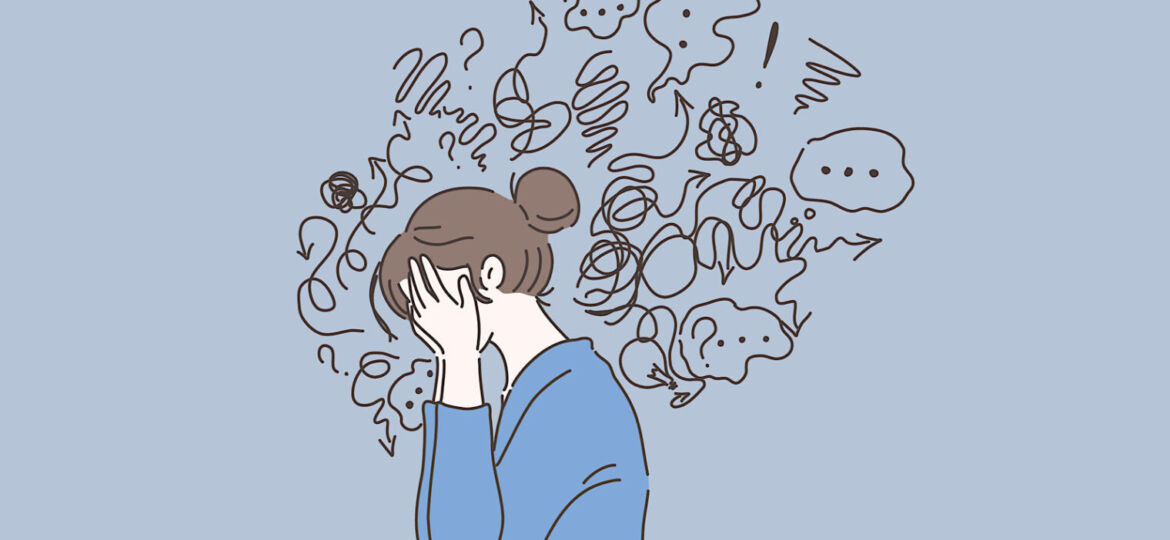
Many people think anxiety only means “worrying too much.” In reality, it can manifest physically, emotionally, and even behaviorally.
Common Ways Anxiety or Stress Makes You Feel Low:
Persistent fatigue, even after a full night’s sleep
Irritability over small things
Lack of motivation or interest in hobbies
Overthinking, replaying conversations or mistakes
Digestive issues, headaches, or body aches
Withdrawing from friends and family
Difficulty focusing or making decisions
It’s not laziness. It’s not weakness. It’s your body under emotional strain.
The Biology Behind It: How Stress Affects the Brain and Body
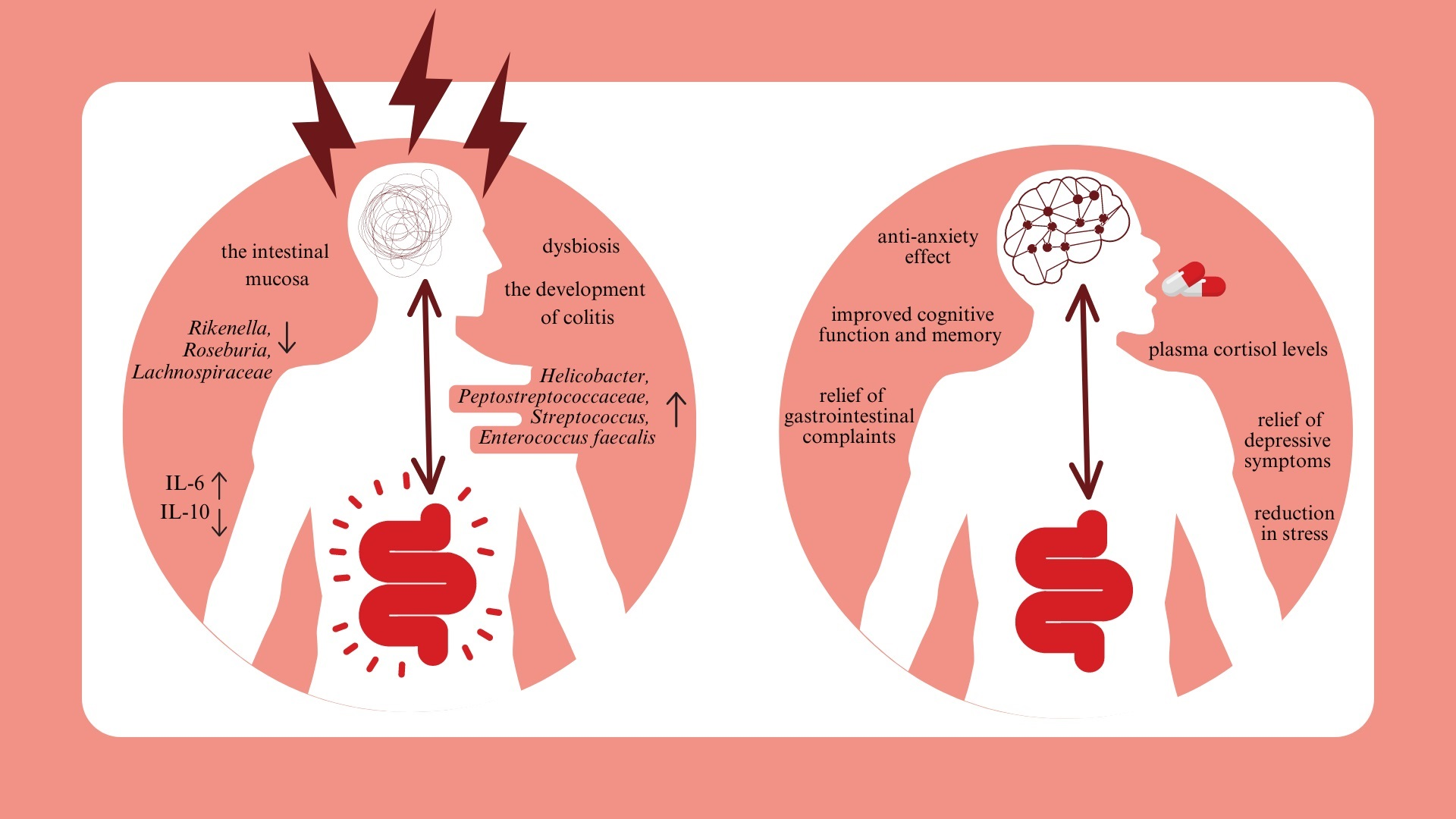
Chronic stress activates your fight-or-flight system. Your body releases cortisol and adrenaline, preparing to face danger. But when this state is prolonged—without real physical danger—it takes a toll.
The brain’s hippocampus (critical for memory and learning) can shrink.
Your gut—often called the second brain—gets affected, leading to IBS or nausea.
Hormonal imbalances may trigger insomnia, appetite changes, or even panic attacks.
Your immune system weakens, making you more vulnerable to illness.
This internal chaos can drain your emotional resilience, making everything feel heavier than it actually is.
When Anxiety Looks Like Depression
The line between anxiety and depression can blur. You may feel tired, joyless, and stuck—without knowing whether it’s anxiety driving the sadness or vice versa.
Key Differences to Look Out For:
| Symptom | Anxiety | Depression |
|---|---|---|
| Energy Levels | Restless, edgy | Sluggish, low energy |
| Thought Pattern | Worry about the future | Guilt about the past |
| Mood Swings | Tension, panic | Sadness, emptiness |
| Sleep Patterns | Trouble falling asleep | Oversleeping or insomnia |
However, they often coexist, making professional help crucial for a proper diagnosis.
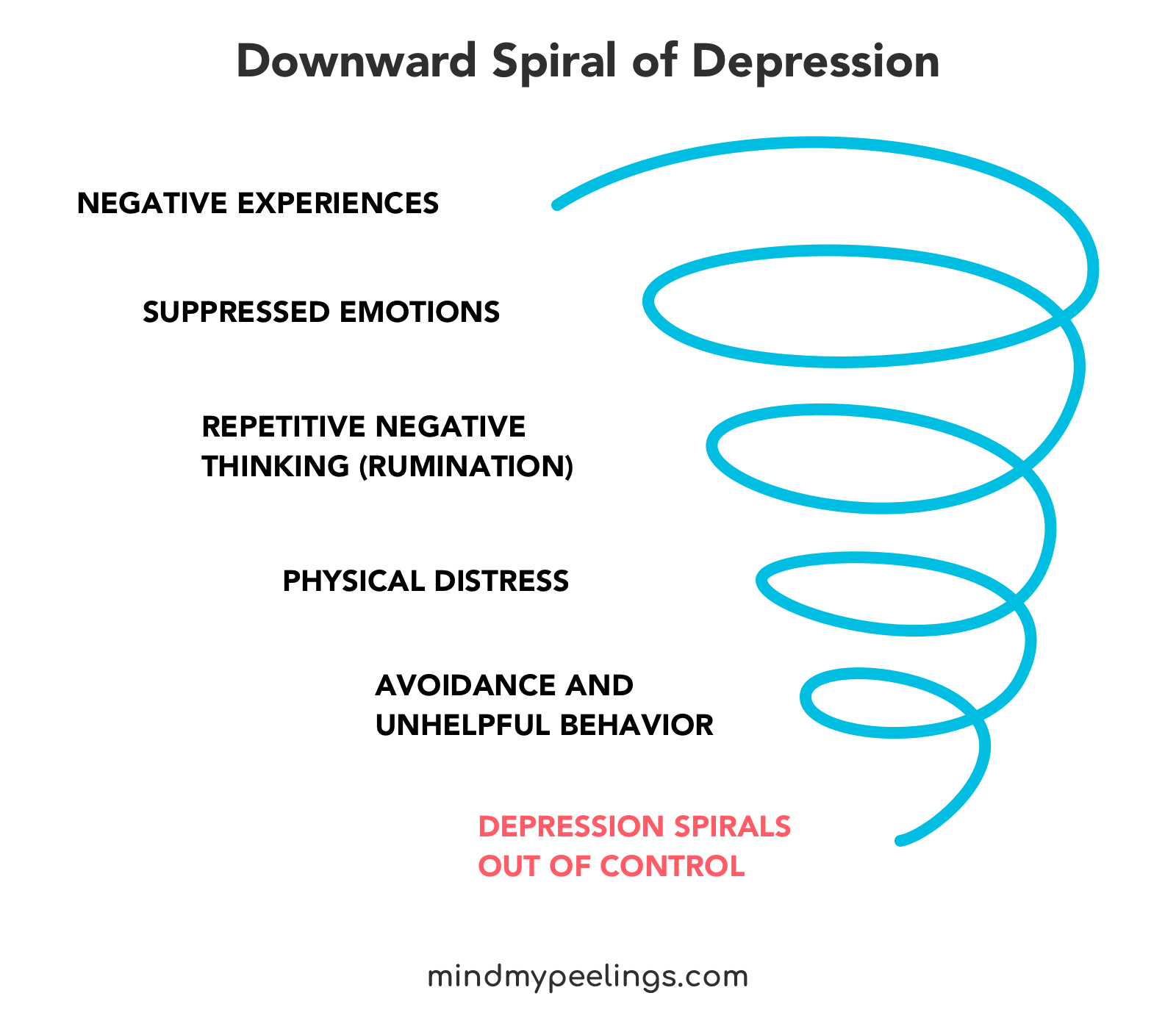
How to Know You’re in a Downward Spiral
An occasional bad day is normal. But if you find yourself saying things like:
“I don’t feel like doing anything.”
“I just want to be alone.”
“I feel overwhelmed even by small tasks.”
“Why am I always tired or on edge?”
…it might be time to pause and reflect. These are signs you shouldn't ignore.
What You Can Do to Feel Better
You can’t always control external stressors, but you can manage how your mind and body respond. Here are some science-backed ways to lift yourself up:
Talk it out: Confide in a trusted friend, therapist, or support group.
Move your body: Regular exercise releases endorphins that elevate mood.
Sleep smarter: Create a relaxing bedtime routine and limit screen time.
Mindfulness practices: Yoga, deep breathing, or even mindful walking can calm the nervous system.
Avoid self-medicating: Alcohol, excess caffeine, or isolation only worsen symptoms.
Keep a journal: Writing helps process emotions and track mental patterns.
You deserve care—not just when things fall apart, but even when you’re “just feeling low.”
When to Seek Professional Help
Don’t wait for a breakdown to ask for help. If anxiety or stress is interfering with your relationships, work, or ability to enjoy life, reach out to a mental health professional. Therapy and counselling are not signs of weakness—they are steps toward healing.
Conclusion: Feeling Low Isn’t “Just a Phase”
Anxiety and stress are not badges of busyness or strength. Left unacknowledged, they can slowly drain your joy, purpose, and vitality. But once recognized, they can also be managed—with care, support, and intentional action.
You don’t have to feel low forever. Healing begins the moment you decide to listen to your body and honor your emotions.